
Driving for Grab is one of the most common reasons buyers walk onto our lot in Parañaque with a budget and a deadline. The wrong car costs you the franchise before you earn a peso; the right one keeps fuel under control for 200 kilometres a day.
This guide covers what LTFRB and Grab require of the vehicle itself as of October 2026, which used sedans and MPVs actually make money, the daily fuel math, why ex-TNVS units are a trap, how to finance the car as a self-employed driver, and which units on our lot fit.
What LTFRB and Grab require from the vehicle
As of October 2026 a vehicle for a new TNVS application has to be a 2023-or-newer sedan, AUV, SUV, van or approved hatchback, under seven years from its date of manufacture, with seating for no more than seven passengers, and it is franchised through LTFRB only after Grab accepts you.
TNVS (Transport Network Vehicle Service) is the LTFRB franchise category for private cars that carry passengers booked through an app. The app operator, Grab, is the TNC (Transport Network Company); you, the car owner, are the TNVS operator and need your own LTFRB authority on top of Grab's approval. The rules below are from LTFRB circulars and Grab's own published 2026 TNVS FAQ, as we understand them in October 2026. Confirm them with LTFRB and Grab before you pay for a car, because the slot and age rules change far more often than the cars do.
- Age for a new application: not more than three years from the date of manufacture at the time you apply. Grab's 2026 FAQ puts it plainly as year models 2023 and up. The date of manufacture counts, not the plate date, so a late-2022-built car sold as a "2023" can fail.
- Maximum service age: seven years from the date of manufacture under the Department of Transportation rules that LTFRB applies. LTFRB circulars have allowed older units that pass the Motor Vehicle Inspection System, but do not plan a purchase around that exception.
- Body types: sedans, AUVs, SUVs and vans, with a maximum of seven passengers. Hatchbacks were admitted under a 2018 LTFRB circular subject to an engine-displacement condition and minimum dimensions, and Grab keeps its own list of accepted hatchback models, so confirm a specific hatchback with Grab before buying it.
- Slots: LTFRB opens TNVS slots in batches, not continuously. The Metro Manila batch released in 2026 was reported to be reserved for battery-electric and plug-in hybrid vehicles, with conventional petrol and diesel cars not eligible for it. Check whether slots are open for your kind of car in your region before you buy anything.
- Paperwork: OR/CR in the applicant's name; if the car is financed, the lender's Certificate of Conformity or a notarised affidavit of undertaking; passenger accident insurance from an LTFRB-accredited provider; a government ID and proof of citizenship. Grab's 2026 FAQ says applications now go through LTFRB's online TNVS portal. Once approved, the CR's classification is changed from Private to For Hire at the LTO.
- Grab's own standards: standard GrabCar carries four passengers; GrabCar 6-Seater needs a larger MPV; and Grab applies its own vehicle-year and condition screening on top of the LTFRB rules.
The sedan workhorses: Vios, Mirage G4, City, Almera, Dzire
The Toyota Vios, Mitsubishi Mirage G4, Honda City, Nissan Almera and Suzuki Dzire dominate Grab queues in Metro Manila because they are cheap to fuel, cheap to fix and easy to resell, and in October 2026 only the 2023-or-newer ones can still be franchised.
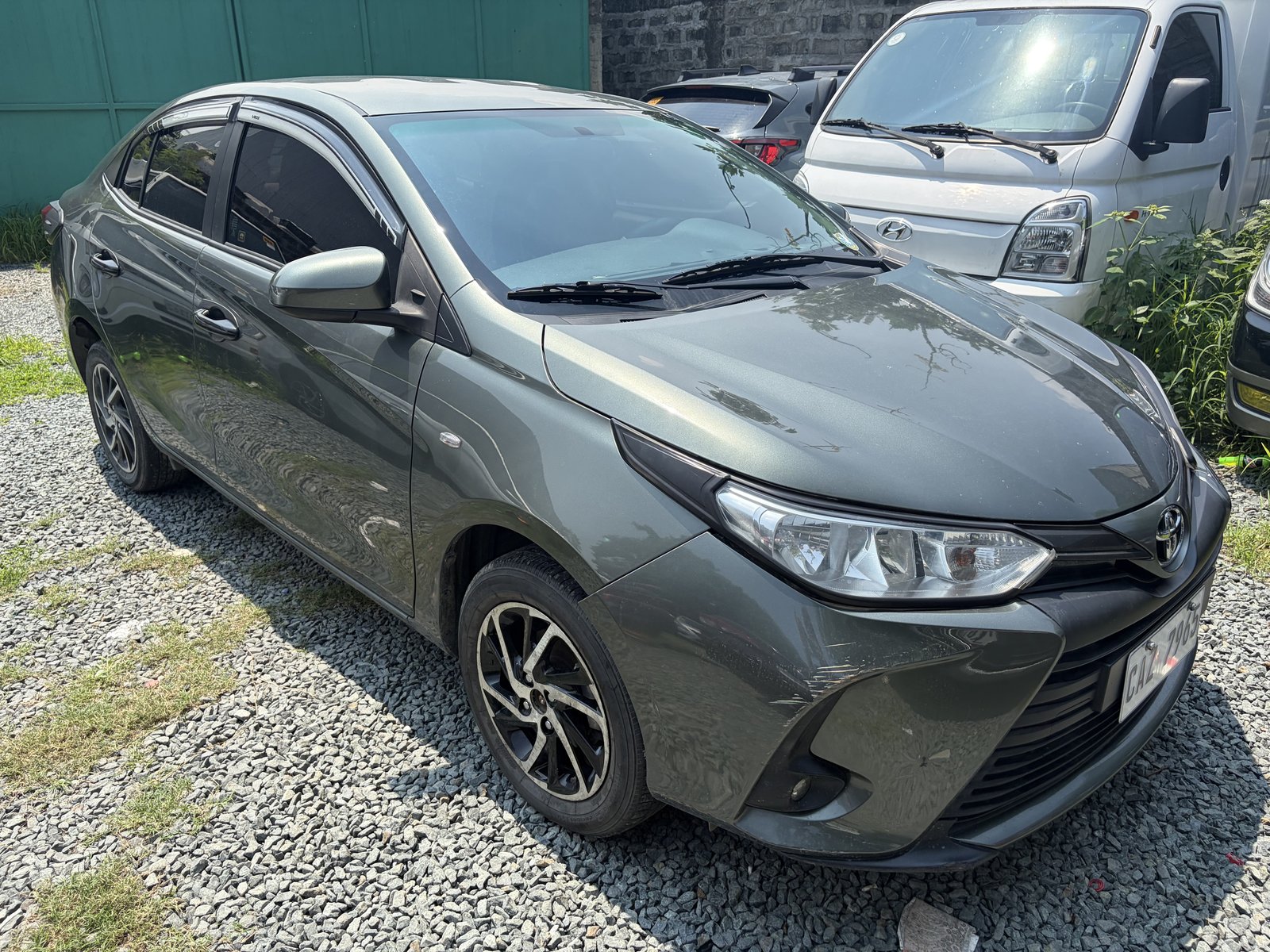
- Toyota Vios 1.3 CVT. The default Grab car for a reason: parts everywhere, a usable rear seat and the strongest resale of the group. The 1.3-litre engine makes about 99 PS, enough for EDSA and nothing more. Our used Toyota Vios buying guide covers variants and checks; the 2023 Vios 1.3 XLE CVT on our lot is inside the age window.
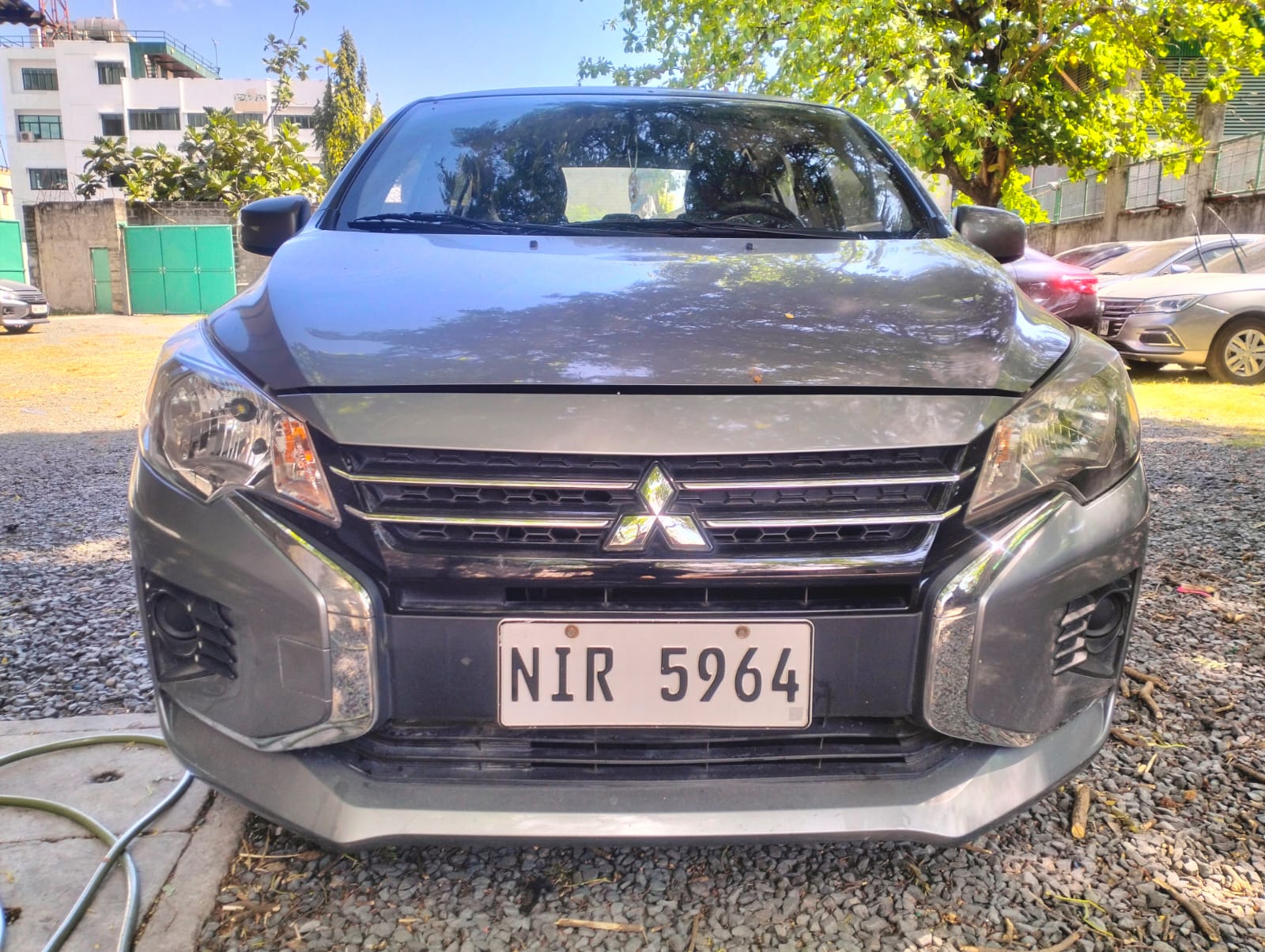
- Mitsubishi Mirage G4 1.2 CVT. A three-cylinder 1.2 with the lowest fuel cost of any sedan in the queue and the lowest price. The trade-off is the smallest cabin and boot, which passengers notice on airport runs. See the Mirage G4 guide and the 2023 Mirage G4 GLX CVT in stock.
- Honda City 1.5. The most powerful and most comfortable of the five, and a little thirstier. The catch in 2026 is age: the 2018 City 1.5 VTEC AT on our lot is eight years from manufacture, so it is a personal car, not a new TNVS franchise. Details in the Honda City guide.
- Nissan Almera 1.5. Huge rear legroom for the money and a simple engine, often in manual. Same age problem: the 2018 Almera 1.5 E MT in stock is cheap, but outside the new-application window as we read the rules.
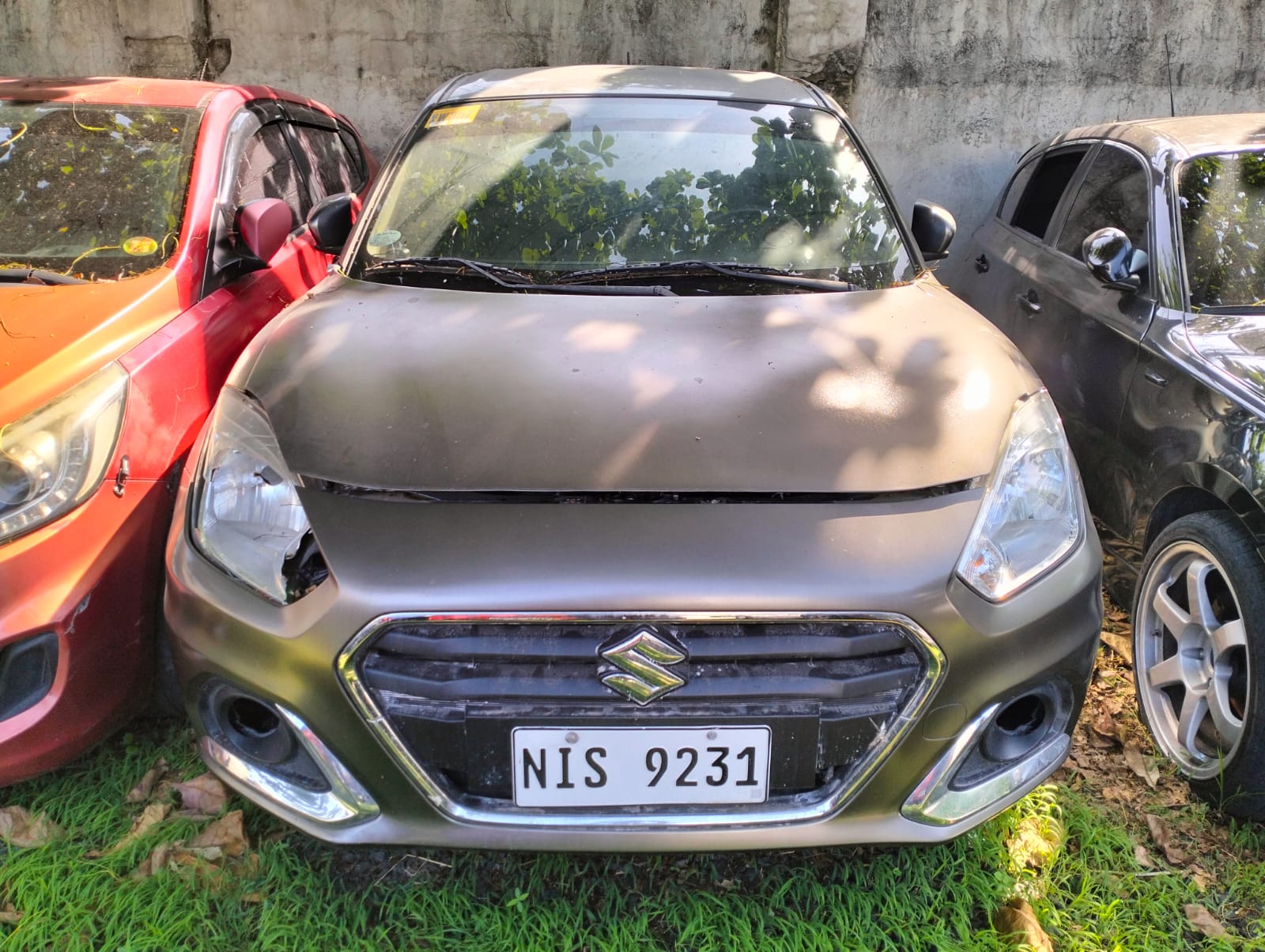
- Suzuki Dzire 1.2 AGS. AGS means Auto Gear Shift, a clutchless automated manual: cheaper and lighter than a CVT, with fuel economy to match the Mirage, though some drivers find its shifts jerky in stop-start traffic. The 2024 Dzire AGS on our lot is the youngest sedan here.
Six- and seven-seaters for the bigger fare
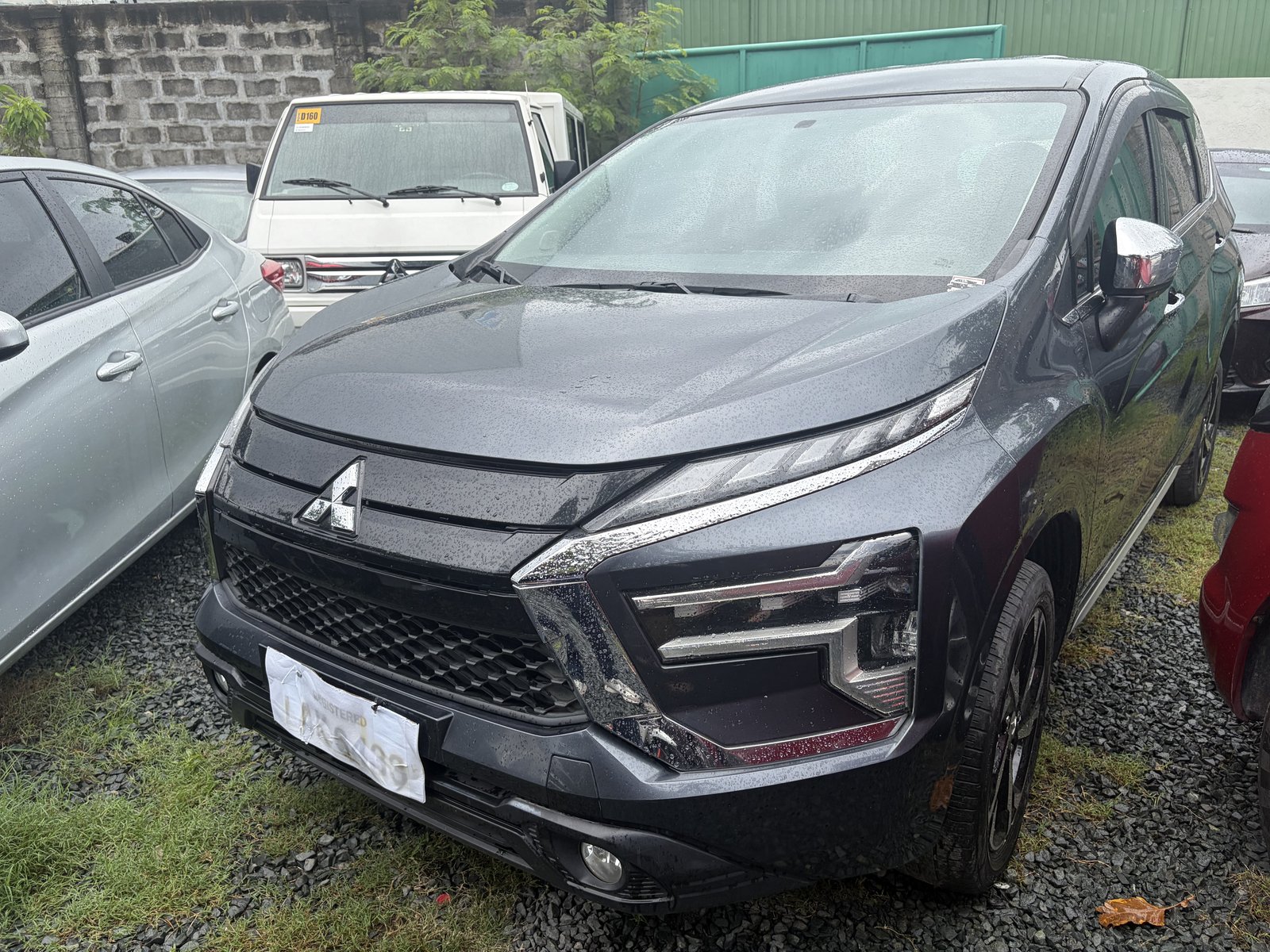
A 2023-or-newer Mitsubishi Xpander or Hyundai Stargazer is the sweet spot for GrabCar 6-Seater: both run a 1.5-litre petrol engine with an automatic, seat seven, and cost far less to fuel than a diesel Innova.
The Xpander's 1.5 makes about 105 PS through a conventional 4-speed automatic; it is the roomier of the two in the third row and has the bigger service network. The Stargazer's 1.5 makes about 115 PS through an IVT, Hyundai's name for its continuously variable automatic, and is the quieter, more car-like drive. Both carry seven, which fits the LTFRB passenger cap. The Nissan Livina is an Xpander in different clothes, and the Toyota Avanza and Veloz are the budget alternatives.
The Toyota Innova is the tougher vehicle and its diesel is cheaper per litre, but it is heavier, dearer to buy and dearer to service, so for pure 6-seater work in the city the 1.5 petrol MPVs earn more per day. Our Innova vs Xpander comparison and the best used 7-seaters under ₱800k go deeper.
The honest trade-off: a 6-seater costs more to buy, drinks more fuel, and wears faster when it is loaded with six adults and luggage, while 6-seater bookings are fewer than standard ones. It pays when you work airport, mall and group routes, or when you already need a seven-seater at home and the franchise is a second income.
The fuel-cost math per day
At 200 km a day, the difference between a Mirage G4 and a 1.5-litre MPV is roughly ₱300 to ₱350 a day in fuel, which is ₱8,000 to ₱9,000 a month before a single fare is counted.
The table uses rounded, owner-reported mixed-driving figures, not test results, and an assumed pump price of ₱60 per litre. Swap in today's price and your own route; aircon use, traffic and driving style move every number here.
| Car (engine) | Typical mixed km/L (owner-reported) | Litres per 200 km | Fuel per day at ₱60/L | Fuel per 26-day month |
|---|---|---|---|---|
| Suzuki Dzire 1.2 AGS | 18 | 11.1 | ₱667 | ₱17,333 |
| Mitsubishi Mirage G4 1.2 CVT | 16 | 12.5 | ₱750 | ₱19,500 |
| Toyota Vios 1.3 CVT | 13 | 15.4 | ₱923 | ₱24,000 |
| Honda City 1.5 AT | 12 | 16.7 | ₱1,000 | ₱26,000 |
| Nissan Almera 1.5 MT | 12 | 16.7 | ₱1,000 | ₱26,000 |
| Hyundai Stargazer 1.5 IVT | 12 | 16.7 | ₱1,000 | ₱26,000 |
| Mitsubishi Xpander 1.5 AT | 11 | 18.2 | ₱1,091 | ₱28,364 |
Fuel is only one line. Add scheduled maintenance every few months at TNVS mileage, tyres and brakes twice as often as a private car, comprehensive insurance, LTFRB and LTO fees, and Grab's commission on every fare. Our total cost of car ownership guide lays out the full budget, and the most fuel-efficient used cars guide ranks more models than the five above.
Why you should avoid buying an ex-TNVS unit
Avoid buying a retired TNVS car for your own franchise: it has usually covered two to three years of a private car's mileage in each year of service, its CR may still be classified For Hire, and the previous owner's franchise does not come with it.
- Mileage and wear. A car that ran 200 km a day has done more than 60,000 km a year. The engine may be fine; the suspension, seats, door hinges and aircon usually are not.
- Multiple drivers. Many TNVS units ran two shifts with two drivers. Nobody warmed it up, nobody let it cool down, and nobody had a reason to treat it gently.
- Rolled-back odometers. High-mileage units are exactly where rollbacks happen. Our odometer tampering guide shows the wear clues that expose a number that is too good.
- The For Hire classification. A CR that reads For Hire has to go back to Private before you can register it as an ordinary car, which means the previous operator dropping the unit from their LTFRB franchise and then re-classifying it at the LTO. Describe the process to the seller and watch how they react. The franchise itself belongs to the operator, not the car, so do not pay for one.
- The age clock. A 2021 ex-TNVS unit is already outside the new-application window in 2026 whatever its condition, so it cannot be your franchise car anyway.
How to spot one: check the CR classification line, look for sticker residue on the windscreen and rear quarter glass, inspect the rear seat and door cards for wear far beyond the odometer reading, and compare mileage to age. Our guide to high mileage vs old cars explains why a young, hard-worked car is often the riskier buy. We read the CR classification of every unit before it is listed.
Financing a TNVS car as a self-employed driver
You can finance a TNVS car as a self-employed driver, but lenders assess you on documents that prove income rather than payslips, so assemble those before you choose the car.
We arrange buyer financing through lending partners from 1.40% per month add-on rate, subject to credit approval, plus a one-time 6.95% chattel and processing fee on the amount financed, with flexible tenor and fast assessment. The financing page has the details. Our guide to a car loan for self-employed buyers lists the documents that stand in for payslips, and the car loan requirements checklist covers everything else.
Two TNVS-specific points. First, a financed car carries a chattel mortgage annotation on its CR, and Grab's published requirements ask for the lender's Certificate of Conformity or a notarised affidavit of undertaking before the unit can be franchised, so tell the lender it is for TNVS before you sign. Our chattel mortgage guide explains the annotation. Second, the monthly amortisation plus the fuel line above plus Grab's commission has to fit inside what you clear on a normal day, not a good day; our how much car can you afford guide shows the arithmetic.
Units in stock that fit
As of October 2026, five units on our Parañaque lot are 2023 or newer and therefore inside the age window for a new TNVS application; two more are good value but, as we read the rules, too old to franchise.
- 2023 Toyota Vios 1.3 XLE CVT, 25,454 km, listed at ₱495,000 (October 2026). The safe default.
- 2023 Mitsubishi Mirage G4 GLX 1.2G CVT, 24,221 km, listed at ₱395,000 (October 2026). The lowest fuel bill and the lowest price among the eligible sedans.
- 2024 Suzuki Dzire AGS, 17,812 km, listed at ₱345,000 (October 2026). The youngest and cheapest eligible unit; test the AGS in traffic before you decide.
- 2023 Mitsubishi Xpander GLS 1.5, 51,320 km, listed at ₱680,000 (October 2026). The 6-seater candidate.
- 2024 Hyundai Stargazer GL IVT, 38,851 km, listed at ₱570,000 (October 2026). The quieter 6-seater candidate, and cheaper to buy than the Xpander.
Likely outside the new-application window in 2026, so personal use or other work only unless LTFRB tells you otherwise: the 2018 Honda City 1.5 VTEC AT at ₱381,000 and the 2018 Nissan Almera 1.5 E MT at ₱265,000 (both October 2026 prices).
Every unit is sold as-is, where-is through a private sealed offer that no other buyer sees; we confirm, counter or accept. Full payment comes before release, and the OR/CR and transfer documents follow 2 to 4 weeks after full payment, which matters because your LTFRB application needs the OR/CR in your name. Stock moves weekly, so check the live Vios search and Mirage search before you drive over.
FAQ: Grab and TNVS car questions we hear most
What cars qualify for Grab or TNVS in the Philippines?
As of October 2026, LTFRB accepts sedans, AUVs, SUVs and vans with seating for up to seven passengers, plus hatchbacks that meet a separate engine-displacement rule, and only year models from 2023 up for a new application. Grab adds its own screening and keeps a list of accepted models. Confirm the exact car with LTFRB and Grab before you pay for it.
What is the maximum age of a car for TNVS?
Two limits apply as of October 2026. A new TNVS application accepts a vehicle no more than three years from its date of manufacture, which Grab states as year model 2023 and up. Once franchised, LTFRB applies a maximum service age of seven years from manufacture, with an exception for units that pass the Motor Vehicle Inspection System. Confirm the current rules with LTFRB.
Which is the most fuel-efficient car for Grab?
Among the common Grab sedans, the 1.2-litre Mitsubishi Mirage G4 and Suzuki Dzire are the most fuel-efficient, with owners commonly reporting mid-to-high teens in kilometres per litre in mixed driving. The Toyota Vios 1.3 is slightly thirstier but roomier and holds its value better. Any 1.5-litre MPV used for 6-seater fares will cost noticeably more per day.
Can I finance a car to use for Grab?
Yes. We arrange financing through lending partners from 1.40% per month add-on rate, subject to credit approval, plus a one-time 6.95% chattel and processing fee on the amount financed. Self-employed drivers are assessed on proof of income rather than payslips. A financed car can still be franchised, but Grab's published requirements ask for the lender's conformity document, so tell your lender it is for TNVS.
Is a 6-seater worth it for GrabCar?
It can be, if you already need a seven-seat MPV for family use or you work airport, mall and group routes where 6-seater bookings are common. A 2023-or-newer Xpander or Stargazer costs more to buy and roughly ₱150 to ₱350 more per day in fuel than a compact sedan, so the higher fare has to cover that gap before it becomes profit.