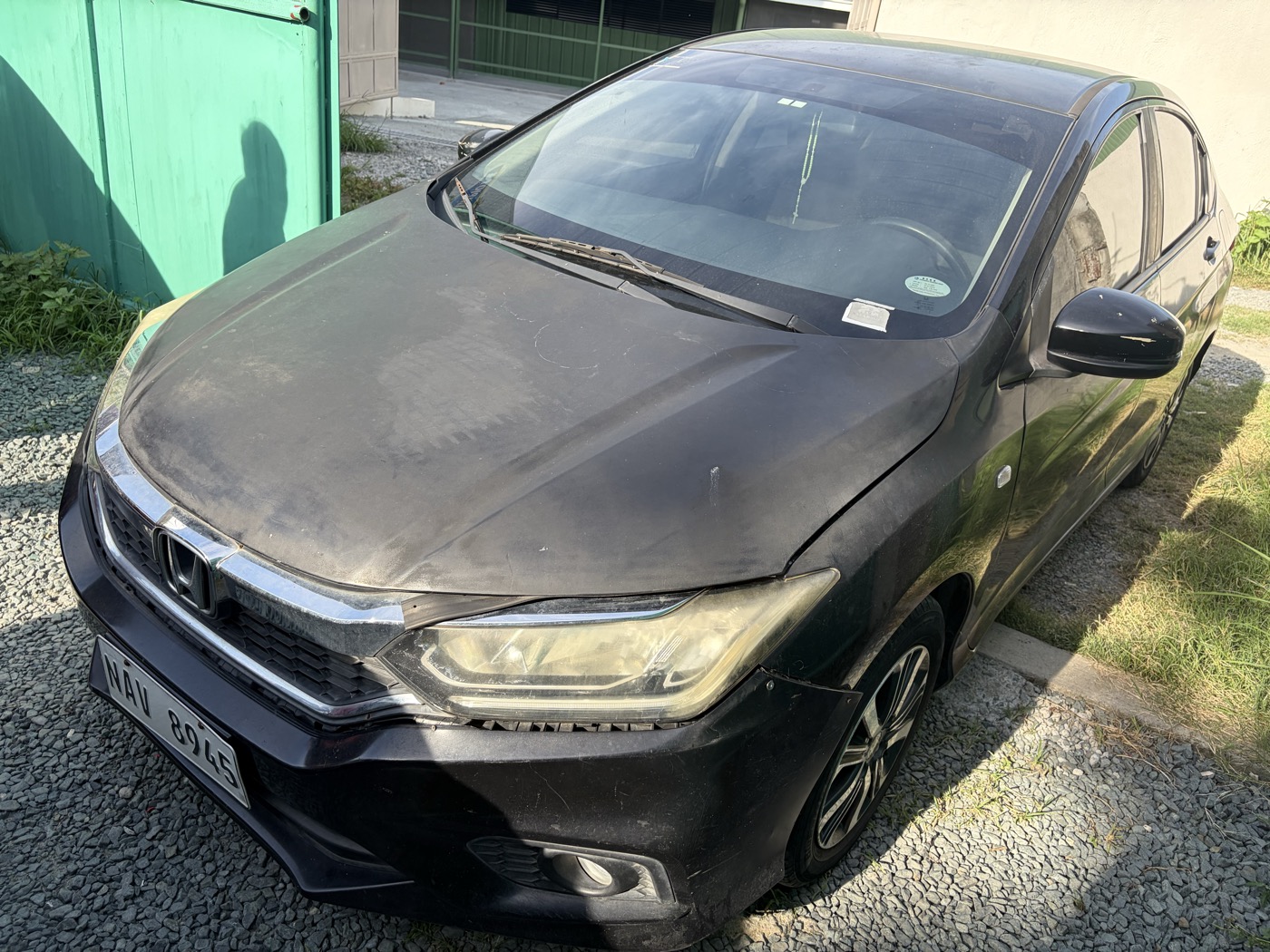
Most of the paperwork behind a car loan is straightforward once you see it laid out. The delays and declines usually come from missing one document, not from failing some hidden test. This guide walks through the exact car loan requirements in the Philippines for 2026, sorted by whether you are employed, self-employed, or an OFW, and how the process works when you buy through our Parañaque lot.
Everything below reflects how our lending partners actually assess used-car applications. Rates and approvals are always subject to credit review, so treat any figure here as a guide, not a guarantee.
- The standard document list, explained
- Requirements if you are employed
- Requirements if you are self-employed or a business owner
- Requirements for OFWs and remittance-based buyers
- Why applications get declined, and fixes
- How financing works through our lending partners
- Preparing documents before you visit the lot
- FAQ: car loan requirements
The standard document list, explained
Whatever your employment type, three things sit at the core of every application: who you are, what you earn, and where you live. Lenders build the rest of their checklist around those three pillars.
- Two valid government IDs — passport, driver's licence, UMID, PhilSys national ID, or postal ID. Names must match across all documents.
- Proof of income — how you prove it depends on your work, but the last three months is the usual window.
- Proof of billing / address — a recent Meralco, water, internet or credit card statement in your name, typically within the last three months.
- Completed application form and TIN — provided by the lender; your tax identification number ties everything together.
The down payment sits alongside these. As a rule of thumb, a bigger down payment lowers the amount financed and makes approval easier. We cover the trade-offs in our used car down payment guide.
Requirements if you are employed
Salaried applicants have the smoothest path, because income is easy to verify. On top of the standard list, prepare:
- Certificate of Employment (COE) showing your position, length of service and salary.
- Latest payslips — usually the last one to three months.
- Latest Income Tax Return (BIR Form 2316) or, for some lenders, three to six months of bank statements where your salary is credited.
Regular, tenured employment reads well. If you have been in your current job for less than six months, a co-maker or a larger down payment helps offset the shorter tenure.
Requirements if you are self-employed or a business owner
Self-employed buyers absolutely qualify; you just prove income differently. Expect to provide, on top of the standard list:
- Business registration — DTI (sole proprietor) or SEC (corporation/partnership), plus Mayor's/business permit.
- Latest Income Tax Return with the audited financial statements where applicable.
- Three to six months of bank statements showing steady cash flow through the account.
Lenders look for consistency more than a single big month. If your income is seasonal, statements spanning a longer period tell a fairer story. We go deeper on documentation strategy in our guide to a car loan for the self-employed.
Requirements for OFWs and remittance-based buyers
Overseas Filipino Workers are a core market for used-car financing, and lenders have dedicated OFW programs. In addition to the standard IDs, you will generally need:
- Employment contract and your latest payslip or salary proof from abroad.
- POEA / OEC record (or the equivalent proof of overseas employment).
- Remittance history for the last three to six months.
- A local co-borrower or attorney-in-fact (via a Special Power of Attorney) to sign and process on your behalf while you are abroad.
Because you may be signing remotely, get your SPA notarised and, if you are overseas, consularised early. That single step prevents the most common OFW delay.
| Requirement | Employed | Self-employed | OFW |
|---|---|---|---|
| Two valid government IDs | Yes | Yes | Yes |
| Proof of billing | Yes | Yes | Yes |
| Certificate of Employment | Yes | — | Yes (overseas) |
| Payslips | Yes | — | Yes |
| Income Tax Return | Yes | Yes | If available |
| Business registration / permits | — | Yes | — |
| Bank statements (3–6 months) | Sometimes | Yes | Yes |
| POEA/OEC + remittance history | — | — | Yes |
| Local co-borrower / SPA | — | — | Recommended |
Why applications get declined, and fixes
Declines rarely come out of nowhere. The recurring reasons are predictable, and most have a fix:
- Incomplete documents. The number-one cause. Fix: submit the full set up front rather than in dribs and drabs.
- Debt-to-income too high. Existing loans eat into what you can service. Fix: settle small obligations first, or increase the down payment to shrink the monthly.
- Adverse credit record. An unpaid or defaulted loan on file weighs against you. Fix: clear it and ask for a certificate of full payment before applying.
- Income can't be verified. Cash income with no paper trail is hard to assess. Fix: route earnings through a bank account and keep statements.
- Short employment tenure. Fix: add a qualified co-maker.
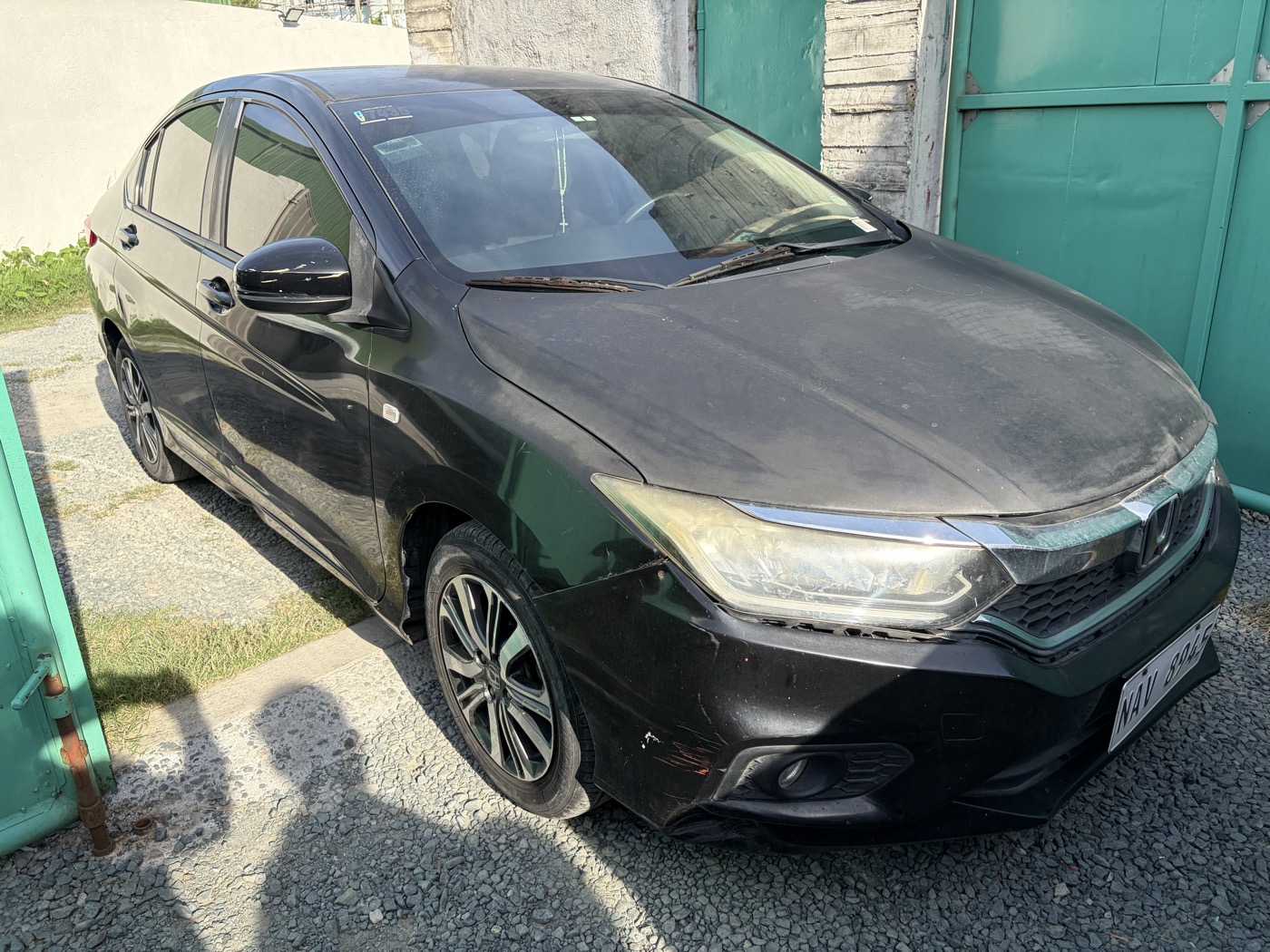
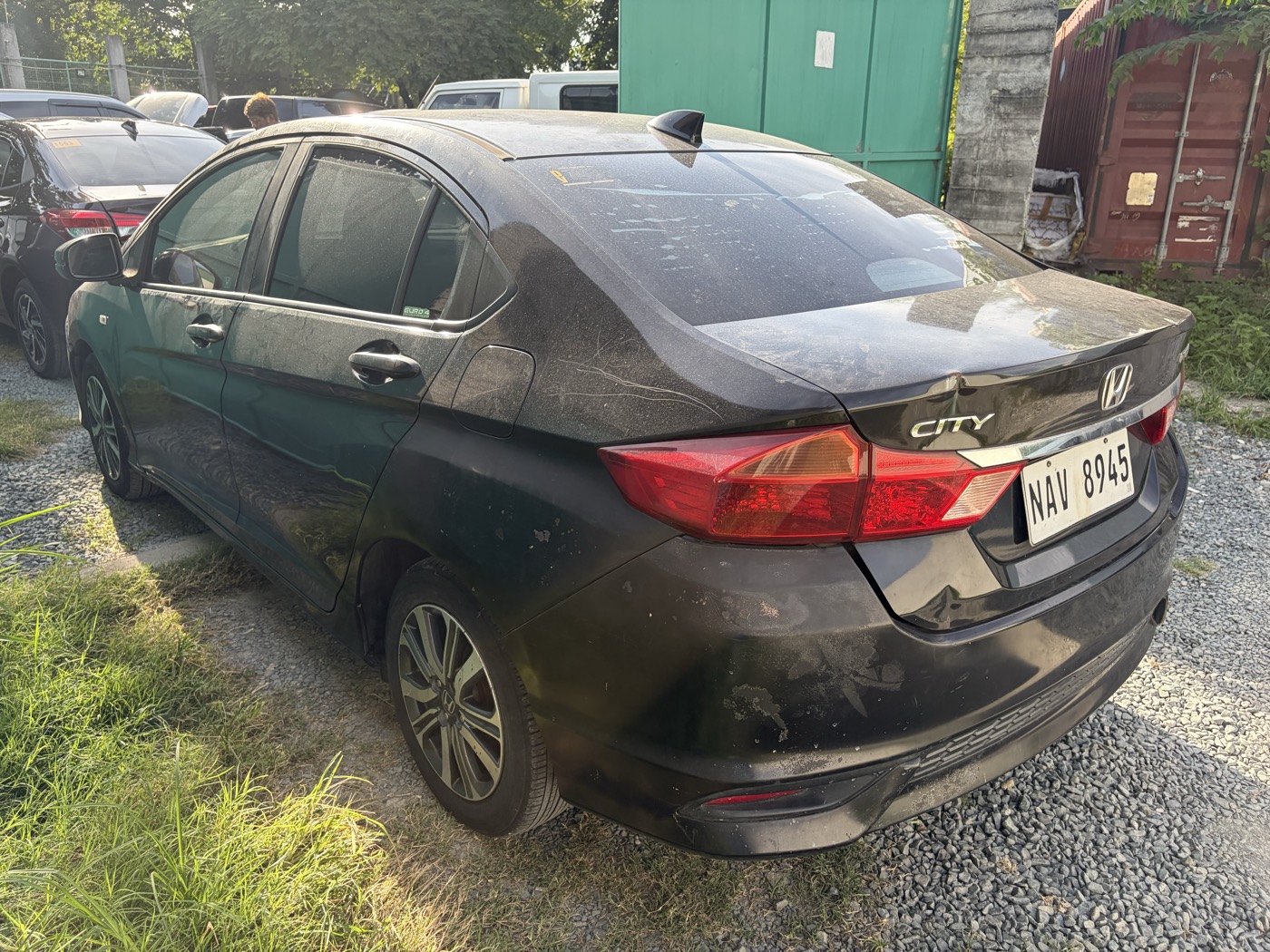
A well-chosen unit also helps. Lenders are more comfortable financing a clean, in-demand car, which is one reason we keep our stock tight. Browse what's live on the homepage or jump straight to a Honda City search to see current options.
How financing works through our lending partners
At RideAgain, every car carries a guide price and you make a private sealed offer — no public bidding. Once your offer is confirmed, financing runs through our lending partners rather than in-house.
Indicative terms start from a 1.40% per month add-on rate (subject to credit approval), with a one-time 6.95% chattel/processing fee on the amount financed. Here is an illustrative computation only — your final rate depends on approval:
- Amount financed: ₱300,000 over 48 months at 1.40%/month add-on.
- Monthly = (₱300,000 + ₱300,000 × 0.014 × 48) ÷ 48 = (₱300,000 + ₱201,600) ÷ 48 ≈ ₱10,450/month.
- Plus a one-time chattel/processing fee of about ₱20,850 (6.95% of ₱300,000).
That figure is illustrative; the final rate and fee are set on approval. The financed loan is secured by a chattel mortgage over the vehicle — we explain what that means for you in our chattel mortgage guide. You can also read the headline terms any time on our financing page.
Note that all units are sold as-is, where-is, payment in full is required before release, and OR/CR transfer documents follow within 2–4 weeks of payment.
Preparing documents before you visit the lot
You can save days by arriving ready. Before your appointment:
- Assemble your ID, income and billing documents per the table above.
- Check that names and addresses match exactly across every page.
- Have a target down payment in mind — it directly shapes your monthly.
- Pick two or three candidate units so you have a backup if your first choice is reserved.
Then book a viewing. Test drives and inspections are by appointment through our scheduling page, Monday to Saturday, 9:00 AM to 6:00 PM at our Parañaque lot. Selling your current car first to raise a down payment? We buy cars too and handle the paperwork. For more buyer guides, see the full articles list.
FAQ: car loan requirements
What are the requirements for a car loan in the Philippines?
At minimum you need two valid government IDs, proof of income for the last three months, and proof of billing address. Employed buyers add a Certificate of Employment and payslips; self-employed buyers add business registration, ITR and bank statements; OFWs add a POEA/OEC record, contract and a local co-borrower. Lenders may also ask for a filled application form and TIN.
Can I get a car loan without payslips?
Yes. Payslips are only one way to prove income. Self-employed buyers use bank statements, an Income Tax Return, DTI or SEC registration and business permits instead. OFWs use their employment contract plus remittance history. A stronger down payment and a qualified co-maker also help offset the lack of payslips.
How long does car loan approval take?
With a complete document set, a lending partner usually returns an initial decision within two to five working days. Clean, employed applications can be faster; self-employed and OFW files sometimes take longer because more documents are verified. Missing papers are the single biggest cause of delay, so submit everything up front.
What credit history do lenders check?
Lenders review your record in the Credit Information Corporation database and their own internal history for past defaults, late payments or unpaid loans. They also weigh your debt-to-income ratio. You do not need a long credit history to qualify, but active unpaid obligations or a recent default will usually count against approval.