
"How much car can I afford?" is the question that saves the most money in car buying, and the one most people skip. It is easy to fall for a monthly figure a salesperson quotes and forget everything around it. In the Philippines, where fuel, LTO registration and NCR traffic all take a bite, the right answer is rarely the biggest car you can technically qualify for.
This guide gives you a simple rule, the full-cost math behind it, and realistic picks per salary bracket, all tied to cars we actually have on the lot.
The 20% rule and why it exists
As a rule of thumb, keep your total monthly car costs under 20% of your gross monthly income. Total means everything: the loan amortization, fuel, insurance, registration and maintenance, not just the payment.
The 20% ceiling exists because a car is a depreciating tool, not an investment. Once it crosses that line, it starts crowding out rent, food, savings and emergencies. Below the line, the car serves your life instead of running it.
Two quick versions of the same idea:
- Monthly test: all-in car costs ≤ 20% of gross monthly pay.
- Price test: a car priced near half of your annual income is usually comfortable; near a full year's income is usually a stretch.
These are guides, not laws. If you have no other debt and strong savings, you can flex up a little. If you are supporting family or paying other loans, flex down.
Full-cost math: payment plus running costs
The sticker price is only the start. Before deciding how much car you can afford, add up the costs that repeat every month and every year. In PH terms, budget for the following (treat all figures as typical market context, not fixed quotes):
- Fuel: the biggest variable. A small sedan sipping fuel in city traffic costs far less to run than a diesel SUV.
- LTO registration: renewed yearly; the amount scales with vehicle weight and is typically a few thousand pesos.
- Insurance: CTPL is mandatory and cheap; comprehensive cover is optional but wise, and its cost rises with the car's value.
- Maintenance: periodic servicing, tyres, brakes and the occasional repair. Older and premium cars cost more here.
- Parking and tolls: real money in Metro Manila, easy to forget.
We break these down in detail in our guide to the total cost of car ownership in the Philippines. The short version: a cheaper, more economical car does not just cost less to buy, it costs less every single month you own it.
Affordability by income bracket, with examples
Here is how the rule plays out across common income levels. The prices below reference real units on our lot as of July 2026; stock changes, so treat them as examples of the right tier, not guaranteed availability.
Around ₱25,000–₱35,000 a month
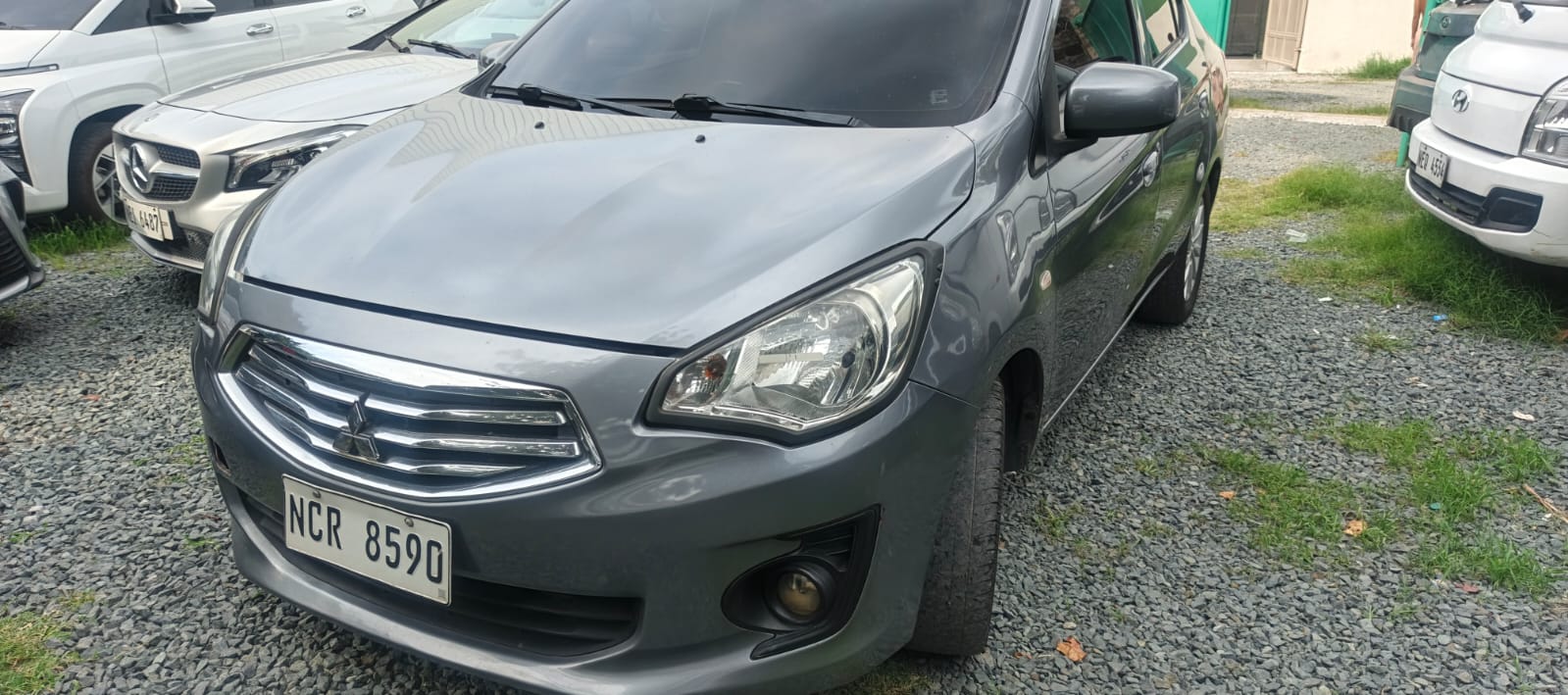
Your all-in car budget is roughly ₱5,000–₱7,000. That points to a well-kept, lower-priced unit, often best bought in cash or with a small balance financed. A tidy compact sedan is the sweet spot here.
Around ₱40,000–₱55,000 a month
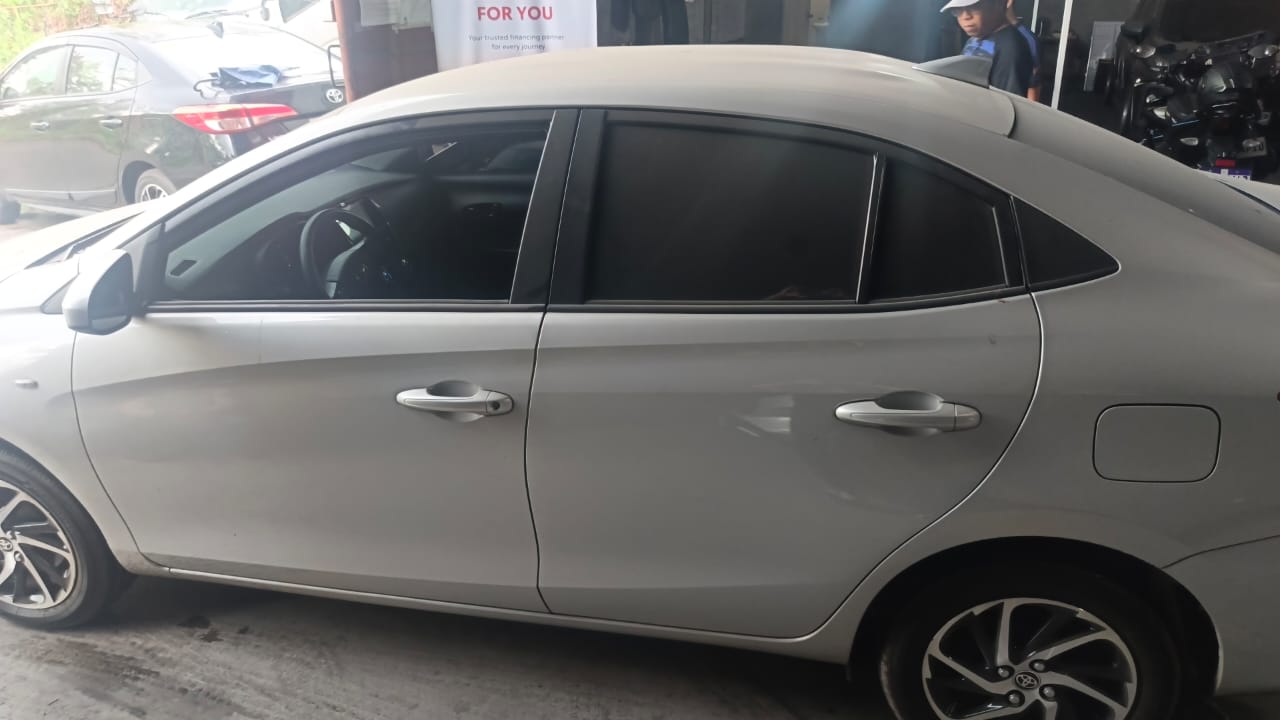
Now your all-in budget is roughly ₱8,000–₱11,000, which comfortably fits a near-new economy sedan in the ₱450,000–₱600,000 range, whether in cash or on a sensible loan. The Vios in our hero photo lands squarely here. You can see all Vios in stock to compare years and prices.
Around ₱60,000–₱80,000 a month
With an all-in budget near ₱12,000–₱16,000, a roomy family MPV or a higher-trim sedan becomes realistic. If you carry kids or extended family, the extra seats earn their keep.
At the upper end of this bracket, a well-kept premium compact like the 2024 Honda City 1.5 S CVT — listed at ₱649,000 (July 2026) stays within reach without straining the 20% line.
₱100,000 a month and up
Here a mid-size SUV or pickup around and above ₱1,000,000 fits the rule, provided you keep the loan sensible and remember that bigger vehicles drink more fuel. The 20% ceiling still applies; it just buys more car.
Cash vs financing: when each wins
Neither is automatically smarter. It depends on your savings and your monthly headroom.
Cash wins when you can pay in full and still keep an emergency buffer. You skip add-on interest and the one-time chattel fee, and you own the car outright from day one.
Financing wins when paying cash would empty your savings, or when spreading the cost is what keeps your all-in total inside 20%. Through our lending partners, rates start from 1.40% per month add-on, subject to credit approval, plus a one-time 6.95% chattel and processing fee on the amount financed.
A quick, illustrative example on a ₱500,000 car with 20% down (₱100,000 down, ₱400,000 financed over 60 months at a 1.40% add-on rate):
- Monthly = (₱400,000 + ₱400,000 × 0.014 × 60) ÷ 60 = about ₱12,267 per month
- Plus a one-time chattel/processing fee of 6.95% of ₱400,000 = about ₱27,800 upfront
That is illustrative only; your final rate and terms are subject to credit approval. See our financing page for how it works, and our used-car down payment guide for how a bigger down payment lowers both the monthly and the total interest.
The car-poor trap and how to avoid it
Being "car-poor" means so much of your income goes to the car that little is left for everything else. It rarely comes from one big mistake. It comes from three small ones stacked together:
- Stretching the price for a bigger or newer model than the budget wanted.
- Lengthening the loan to shrink the monthly, which quietly grows the total interest.
- Ignoring running costs, so fuel, insurance and repairs push the real total past 20%.
The fix is to buy for your budget, not your aspiration. A slightly older or slightly smaller car that leaves room to save is worth far more peace of mind than a premium badge you can barely feed. When you are ready to see options in person, you can always book a viewing and test-drive before deciding.
Matching brackets to real units in our stock
Here is a simple map from income to a realistic price tier, with an example we have listed. Prices are as of July 2026 and stock moves, so use this as a starting point and browse the full lot for what is available now.
| Gross monthly income | ~20% all-in car budget | Realistic price tier | Example in our stock |
|---|---|---|---|
| ₱25,000–₱35,000 | ₱5,000–₱7,000 | ₱150k–₱350k | Mitsubishi Mirage G4 — ₱295,000 |
| ₱40,000–₱55,000 | ₱8,000–₱11,000 | ₱400k–₱600k | Toyota Vios — ₱494,000 |
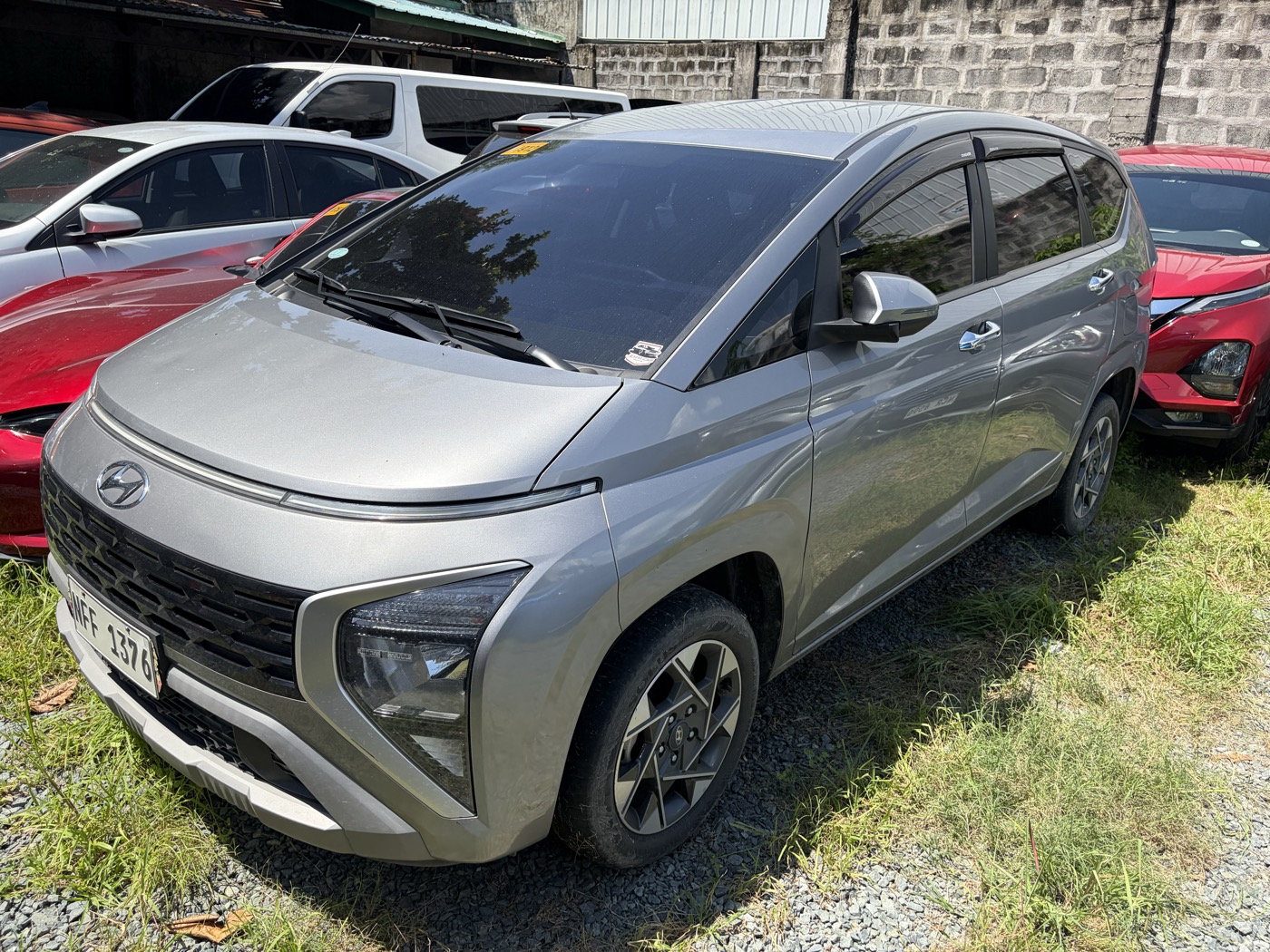
| ₱60,000–₱80,000 | ₱12,000–₱16,000 | ₱550k–₱900k | Hyundai Stargazer — ₱555,000 |
| ₱100,000+ | ₱20,000+ | ₱1,000,000+ | Mid-size SUV or pickup |
Every car on our lot shows a clear guide price. When you find one that fits, you make a private sealed offer, never a public bidding war, and we confirm, counter or accept. New to the process? Read how it works, or start by browsing the full stock. If you also need to move on your current car, we buy cars with a fast, market-based valuation. Looking specifically for a value sedan? Our roundup of the best used sedans under ₱500k is a good next read.
FAQ: how much car you can afford
How much of my salary should go to a car payment?
A common rule of thumb is to keep your total car costs, not just the loan payment, under 20% of your gross monthly income. That 20% has to cover amortization, fuel, insurance, registration and maintenance combined. If the monthly loan alone eats most of that, the car is too expensive for your income.
What car can I afford with a ₱30k monthly salary?
On roughly ₱30,000 a month, aim to keep all car costs near ₱6,000. That points to a well-kept, lower-priced unit around ₱150,000 to ₱350,000, ideally bought in cash or with a small balance financed. A tidy older sedan or hatchback fits far better than a brand-new model on a long loan.
Should I buy cash or finance a used car?
Cash wins when you have the funds and still keep an emergency buffer, since you avoid add-on interest and the chattel fee. Financing makes sense when paying cash would drain your savings, or when spreading the cost keeps your monthly total within 20% of income. Rates start from 1.40% per month add-on, subject to credit approval.
Why do people become car-poor?
Being car-poor means so much income goes to the car that little is left for everything else. It usually happens when buyers stretch for a bigger or newer model, take a long loan to shrink the monthly, and forget the running costs. The payment looks affordable in isolation, but fuel, insurance and repairs push the real total past what the budget can carry.
Still weighing it up? Come see the cars in person at our Parañaque lot and take one for a test drive. Schedule a viewing →