
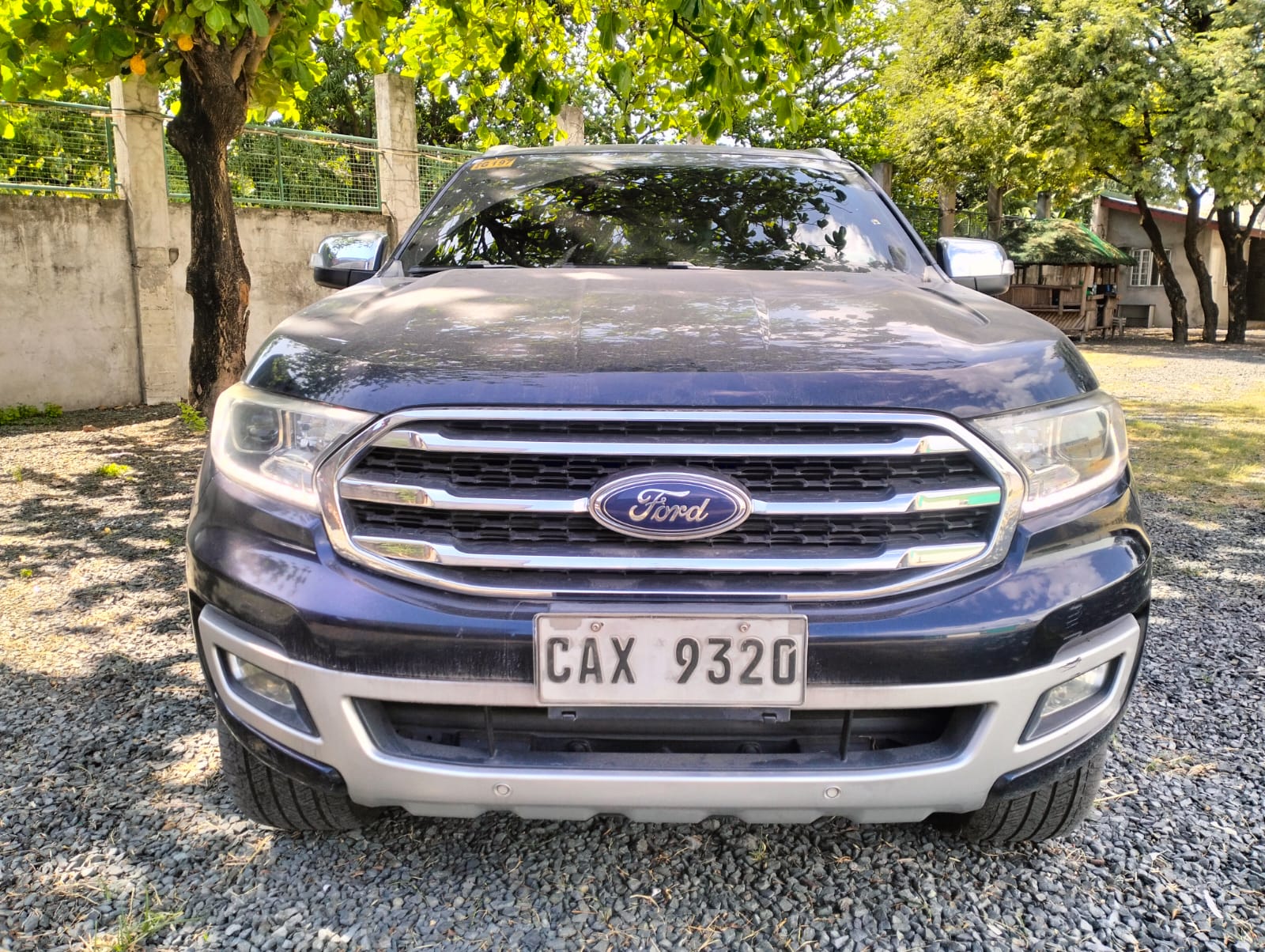
Ask most Filipino buyers what a car costs and they name the price on the windshield. That number is only the entry fee. The total cost of car ownership is what the car quietly takes from your wallet every month afterwards, for as long as you keep it: fuel, maintenance, insurance, LTO renewal, parking, and the slow bleed of depreciation.
This guide breaks down each of those costs in a Metro Manila context and ends with two sample monthly budgets, a ₱500k sedan against a ₱1M SUV, using real units on our lot. Figures here are typical market ranges as of July 2026, not exact quotes.
The purchase price is just the entry fee
The sticker price decides how much cash or loan you need on day one. It does not decide what the car costs to live with. Two cars at the same price can have very different running costs once you factor in fuel type, engine size, parts availability and how fast the model loses value.
If you are financing, the monthly amortisation sits on top of everything below. Our lending partners start from 1.40% per month add-on (subject to credit approval), plus a one-time 6.95% chattel and processing fee on the amount financed. Before you commit, it helps to know your true monthly ceiling, which is exactly what our guide on how much car you can actually afford walks through.
The rest of this page is about the costs that never appear on the price tag, so budget for them before you buy, not after.
Fuel: sedan vs SUV monthly reality
Fuel is the cost you feel weekly. It is driven by three things: how far you drive, how heavy the car is, and how bad your traffic is. Stop-and-go NCR driving punishes big engines far more than the highway figures in brochures suggest.
As a rough guide for city driving, a compact gas sedan returns around 10 to 13 km per litre, while a mid-size diesel SUV drops to roughly 7 to 10 km per litre in traffic. With gasoline and diesel both typically sitting in the mid-₱50s to low-₱60s per litre in 2026, that gap adds up fast.
For someone driving about 1,000 km a month, a Vios-class sedan burns roughly ₱4,500 to ₱6,000 in fuel, while an Everest-class diesel SUV lands closer to ₱6,000 to ₱8,500. The diesel only starts to claw that back on long provincial trips, where it is genuinely efficient.
Maintenance and PMS: what a year looks like
Preventive maintenance service (PMS) is scheduled work, usually every 5,000 to 10,000 km, covering oil, filters, and inspections. Skipping it to save money is the most expensive habit a car owner can have.
A compact sedan is cheap to service: a routine PMS visit is often in the ₱3,000 to ₱6,000 range, with tyres and brakes spread over a couple of years. A diesel SUV costs more per visit because of larger oil volumes, pricier filters, and bigger tyres, so ₱6,000 to ₱10,000 per interval is common.
Averaged over a year, budget roughly ₱15,000 to ₱25,000 for a small sedan and ₱25,000 to ₱45,000 for a diesel SUV. Higher mileage and age push these up. Our full breakdown of intervals and typical bills is in the PMS guide for the Philippines.
As-is, where-is means inspect first
Every unit we sell is sold as-is, where-is, so the smart move is to view and test drive before you decide. You can book a viewing at our Parañaque lot and bring a mechanic if you like; that upfront check is the cheapest maintenance you will ever pay for.
Insurance and LTO renewal: the annual fixed costs
These are the yearly bills that arrive whether you drove 500 km or 50,000 km. There are two layers of insurance. Compulsory Third Party Liability (CTPL) is required to register and is inexpensive, typically a few hundred to around a thousand pesos a year. Comprehensive insurance is optional but strongly advised, and it is the bigger number.
Comprehensive premiums usually run around 1.5% to 2% of the car's value per year as a market estimate, so a ₱500,000 sedan might cost roughly ₱15,000 to ₱20,000, while a ₱1,000,000 SUV can be ₱25,000 to ₱35,000. Diesel SUVs also tend to attract higher premiums. If you are buying second-hand, read our notes on insurance for used cars before renewing.
LTO registration renewal is an annual fixed cost too. The exact figure depends on weight and any penalties, but it is typically a few thousand pesos a year, plus emission and inspection where required. Treat these as approximate market context and confirm current rates on lto.gov.ph.
Parking, tolls, coding workarounds
These costs vary wildly by lifestyle, which is exactly why people forget them. If you rent a parking slot in a condo or near work, that alone can be ₱2,000 to ₱5,000 a month in Metro Manila. Even street or mall parking adds up over a month of daily use.
Tolls matter if you use NLEX, SLEX, Skyway or CAVITEX regularly; a daily expressway commute can quietly cost more than your fuel. And number coding shapes cost in a sneaky way: on your coding day you either lose the car or spend on alternatives, and some households end up justifying a second vehicle, which doubles everything on this page.
None of these appear on a price tag, but for a city driver they can rival fuel. Add a realistic figure for your own routine before you decide what you can keep.
Depreciation: the invisible biggest cost
Depreciation is the value your car loses over time, and for most owners it is the single largest cost of ownership, larger than fuel or maintenance. You do not see it as a monthly bill; you feel it only when you sell.
A brand-new car typically loses around 15% to 20% of its value in the first year and roughly 10% a year after that, though it varies by brand and demand. This is the strongest financial argument for buying used: someone else already absorbed the steepest first-year drop, so your peso loss per year is smaller from the moment you drive off.
Resale value also depends heavily on the badge. Mainstream Japanese models like Toyota and Honda hold value well and stay easy to sell; some European and niche brands fall faster. When you eventually move the car on, that difference is real money.
Sample monthly budgets: ₱500k sedan vs ₱1M SUV
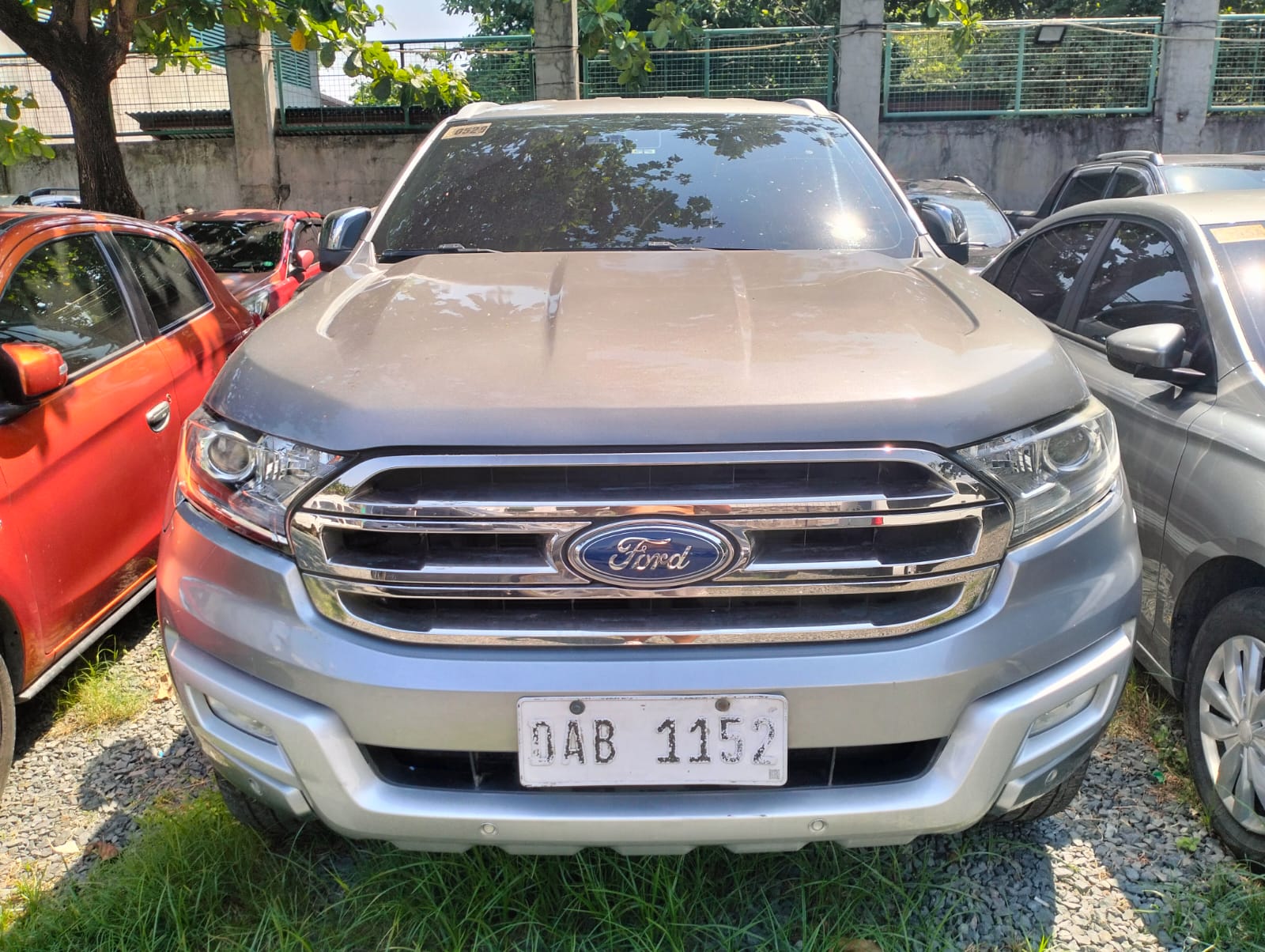
Here is how it comes together. The table below is an illustrative monthly running cost for a paid-off car driven about 1,000 km a month in Metro Manila, using two units on our lot as stand-ins. Yearly costs like insurance and LTO are shown spread across twelve months. Figures are typical estimates, not quotes.
| Monthly cost | ₱500k gas sedan (Vios-class) | ₱1M diesel SUV (Everest-class) |
|---|---|---|
| Fuel | ₱4,500 – ₱6,000 | ₱6,000 – ₱8,500 |
| Maintenance / PMS (amortised) | ₱1,300 – ₱2,000 | ₱2,000 – ₱3,500 |
| Comprehensive insurance (÷12) | ₱1,300 – ₱1,700 | ₱2,100 – ₱2,900 |
| CTPL + LTO renewal (÷12) | ₱250 – ₱400 | ₱300 – ₱500 |
| Parking / tolls (typical) | ₱1,500 – ₱4,000 | ₱2,000 – ₱4,500 |
| Running total / month | ≈ ₱9,000 – ₱14,000 | ≈ ₱12,500 – ₱20,000 |
Two takeaways. First, the SUV costs meaningfully more to keep every month, not just more to buy. Second, depreciation is deliberately left out of the table because it is a capital loss, not a cash bill, but over a few years it usually dwarfs any single line above. Buying used softens it.
If you financed either car, add the amortisation on top. You can see current terms on our financing page, and our how it works guide explains our private sealed-offer process, where you make an offer we confirm, counter or accept, with no public bidding war.
FAQ
How much does it cost to own a car per month in the Philippines?
For a paid-off car, plan on roughly ₱9,000 to ₱18,000 a month once you add fuel, amortised maintenance, insurance, LTO renewal and parking. A compact sedan like a Vios sits near the lower end; a diesel SUV like an Everest sits near the top. If you financed the car, add the monthly instalment on top of these running costs.
What costs do first-time car owners forget?
The usual blind spots are comprehensive insurance renewals, LTO registration, preventive maintenance service every 5,000 to 10,000 km, tyres and brakes, parking or a rented slot, and depreciation. Depreciation is the biggest, because your car quietly loses value whether you drive it or not. Buying used lets someone else absorb the steepest early drop.
Is a diesel SUV cheaper to run than a gas sedan?
Usually not, day to day. Diesel SUVs are heavier and thirstier in city traffic, and their parts, tyres and insurance cost more. A diesel engine can win on long provincial trips and towing, and diesel is often priced close to gasoline. But for pure Metro Manila commuting, a compact gas sedan is almost always cheaper to keep.
How much should I budget for yearly maintenance?
As a rule of thumb, set aside about ₱15,000 to ₱25,000 a year for a compact sedan and ₱25,000 to ₱45,000 for a diesel SUV, covering periodic maintenance service, oil, filters, brakes and one set of tyres spread over time. Older or higher-mileage units cost more, so keep a small buffer for surprises like batteries and suspension.
Ready to match a car to your real monthly budget? Browse our current stock, or if you are trading up, we also buy cars and handle the paperwork.