
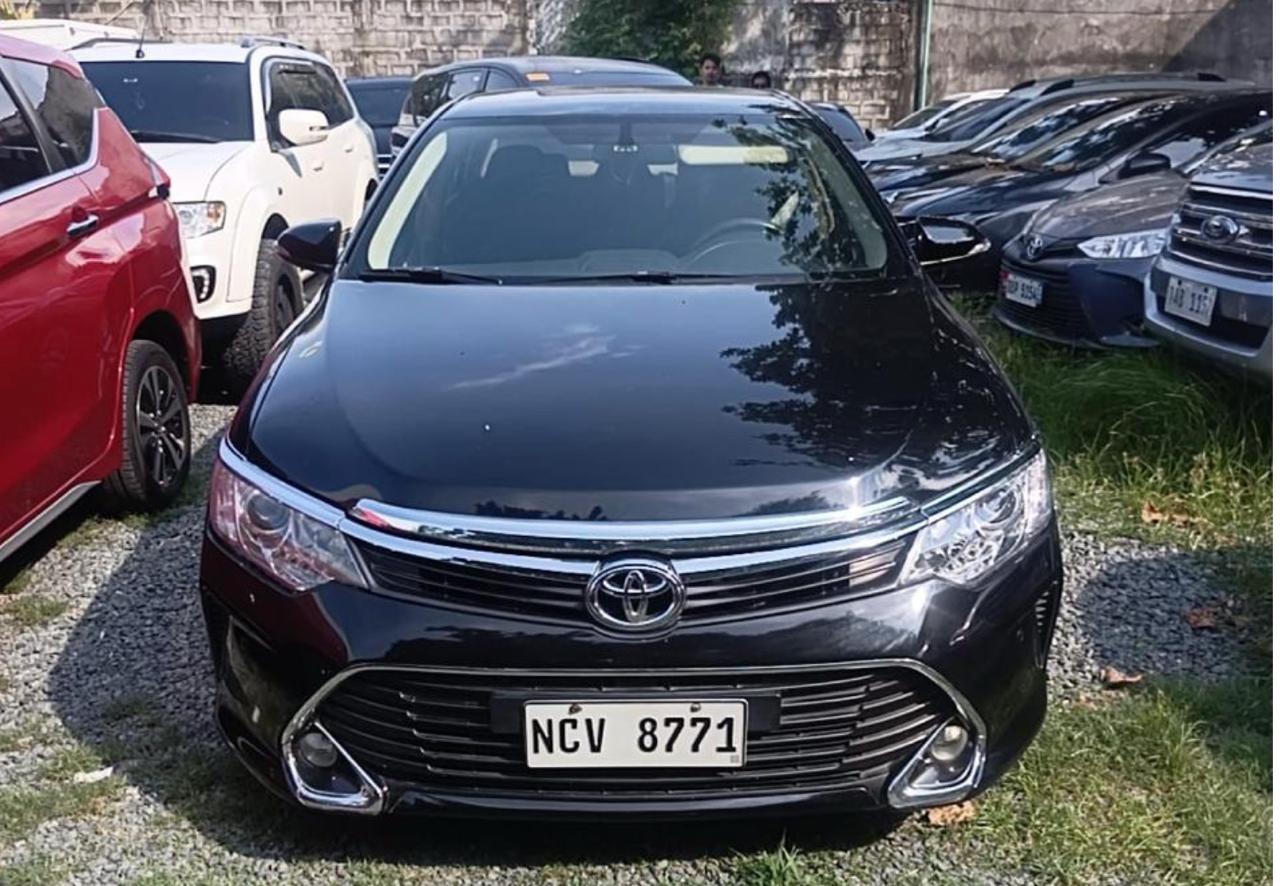
Two cars, same budget. One is a five-year-old sedan with 130,000 km on the clock. The other is a twelve-year-old SUV that has barely turned 60,000 km. Which one is the safer used car in the Philippines?
The honest answer is that the odometer and the year are measuring two completely different kinds of wear. Once you understand that, the decision gets a lot clearer, and a lot cheaper. This is one of the most common questions we hear from buyers at our Parañaque lot.
- Two kinds of wear: kilometers vs calendar
- What high mileage actually damages
- What age damages even in a garaged car
- The low-mileage trap: seals, rubber, fluids
- Maintenance history beats both numbers
- PH context: traffic kilometers are harder kilometers
- How to price age and mileage into your offer
- FAQ: high mileage vs old car
Two kinds of wear: kilometers vs calendar
A car ages in two independent ways, and they do not move at the same speed.
Mileage wear is friction wear. Every kilometer spins the engine, cycles the transmission, presses the brake pads and flexes the suspension. Parts that move against each other slowly lose material.
Calendar wear is chemical and environmental. Rubber hardens and cracks. Seals dry out. Oil and coolant break down and absorb moisture. Plastics fade under the sun. This happens whether the car covers 40,000 km or sits in a garage for years.
A high-mileage newer car has soaked up a lot of the first kind. A low-mileage old car has soaked up a lot of the second. Neither is automatically "healthier" — they are just tired in different places.
What high mileage actually damages
Kilometers concentrate their toll on the drivetrain and the wear items you already expect to replace. On a high-mileage car, look hardest at:
- Engine internals — piston rings, valve seals and bearings that can cause oil burning or low compression after heavy use.
- Transmission and clutch — rough or delayed shifts on an automatic, or a worn clutch on a manual, are the expensive ones to watch.
- Brakes and suspension — pads, discs, shock absorbers and bushings all wear by distance and by pothole.
- Timing belt or chain — belts are replaced on a set interval; missing it is a real engine risk.
The good news is that these are testable before you pay. A proper used-car engine check and a real test drive will surface most drivetrain problems. And because the seller of a high-mileage car knows the number is visible, it is usually priced in.
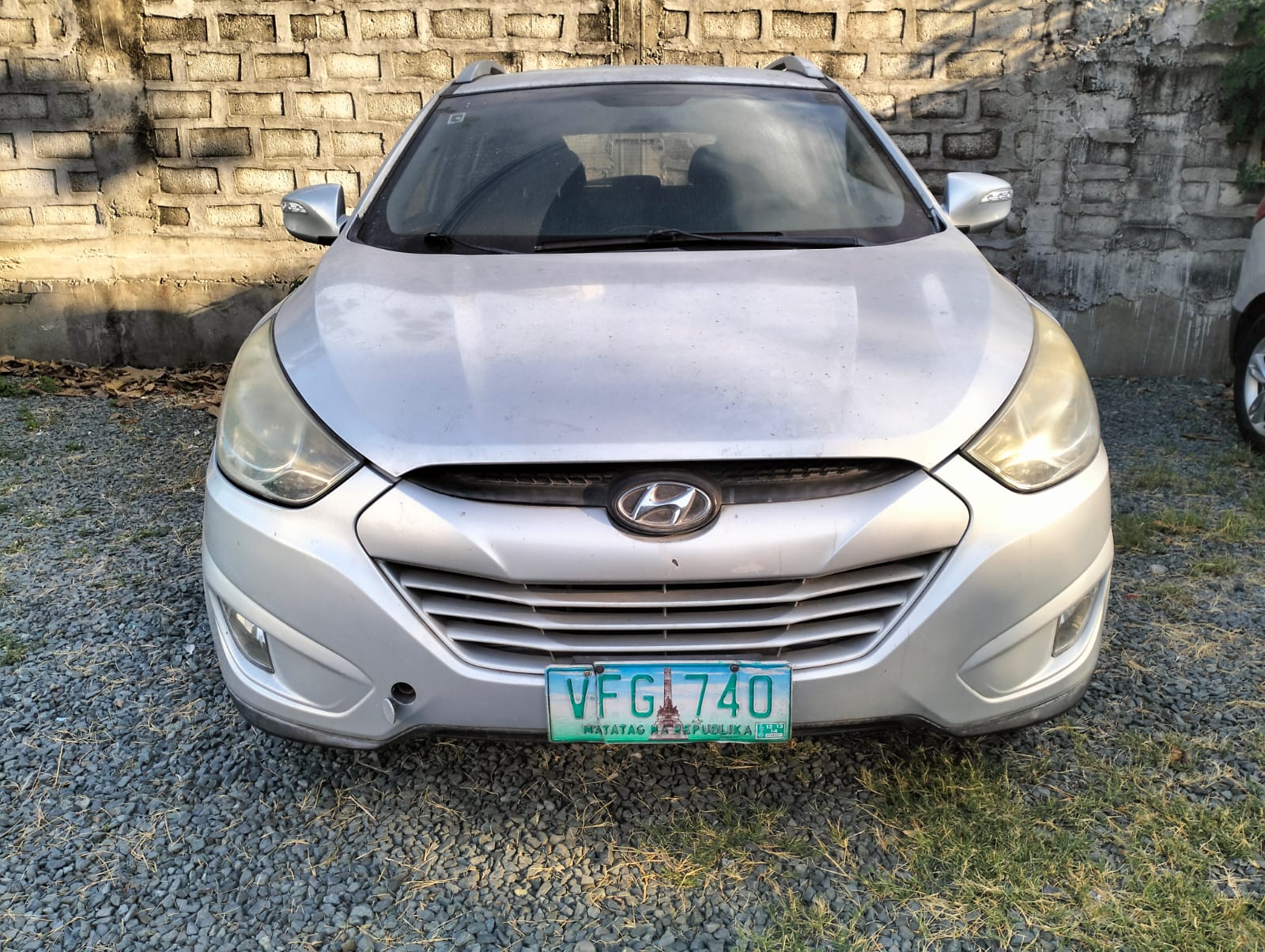
What age damages even in a garaged car
Time attacks the parts that mileage often leaves alone. Even a lightly driven older car will eventually need attention on items like these:
- Rubber and belts — hoses, drive belts and door seals harden and crack with heat cycles and humidity.
- Bushings and mounts — the soft rubber that keeps the ride quiet perishes on the calendar.
- Fluids — brake fluid and coolant absorb moisture over the years; old fluid corrodes from the inside.
- Battery, tyres and wipers — all age out by date, not just by distance. Old tyres can look fine yet be hard and unsafe.
- Electronics and plastics — dashboards, trim and connectors degrade under NCR heat and sun.
Here is the encouraging part: most age-driven repairs are cheaper and more predictable than a tired engine or gearbox. A set of hoses, a battery and fresh fluids is a manageable bill. That is why, all else equal, calendar wear is often the more forgiving risk.
The low-mileage trap: seals, rubber, fluids
"Low mileage" sells cars. It should not switch off your judgement.
A very low odometer on an old car means the calendar wear is still there — but the car has had fewer kilometers to shake out weaknesses or to justify regular servicing. Cars that sit unused develop their own problems: flat-spotted tyres, dried-out seals that seep oil, seized brake calipers and a battery that never holds charge.
There is also the darker possibility that the number is not real. If a low reading feels too good for the car's age and condition, walk through our guide to spotting odometer tampering before you fall in love with it. Cross-check the reading against the pedal rubber, seat bolster wear and the service stickers.
Low mileage is a genuine bonus only when it comes with proof of care. On its own, it is just one data point.
Maintenance history beats both numbers
If you remember one thing from this guide, make it this: a documented service history tells you more than the age and the mileage combined.
A high-mileage car with stamped records, on-time oil changes and a logical repair trail has been looked after. A low-mileage car with no paperwork and mystery gaps is a question mark, no matter how young it looks. Records prove that the wear — of either kind — was managed instead of ignored.
Follow a sensible preventive maintenance schedule after you buy, and ask the seller for whatever service proof exists before you do. At RideAgain, every unit is sold as-is, where-is, so we actively encourage buyers to inspect the car and its papers, and to book a test drive before making an offer.

PH context: traffic kilometers are harder kilometers
Not all kilometers are equal, and this matters a lot in Metro Manila.
A car that lives in NCR stop-and-go traffic spends huge stretches idling, crawling and cycling the clutch or torque converter without covering much ground. The engine racks up running hours and heat cycles that the odometer never shows. In that sense, 80,000 km of pure EDSA commuting can be harder than 120,000 km of open provincial highway.
Flooding is the other PH-specific factor. A newer, higher-mileage car from a dry province can be in far better health than an older low-mileage car that sat through habagat floods. When you inspect, sniff for damp or musty smells and check under the carpets — water damage ignores both the year and the odometer.
So read the number in context: where the car lived, how it was used, and what the interior condition quietly tells you about its real life.
How to price age and mileage into your offer
You do not have to choose between age and mileage in the abstract. Price each risk into your offer and let the numbers decide.
| Factor | Higher-mileage newer car | Low-mileage older car |
|---|---|---|
| Main wear type | Friction: engine, gearbox, brakes | Calendar: rubber, seals, fluids |
| Typical big-ticket risk | Engine or transmission overhaul | Rust, perished parts, dated tech |
| Repair predictability | Costs can be large but testable | Usually smaller, spread-out bills |
| Newer safety features | More likely present | Often fewer |
| Easiest to verify | Engine check + test drive | Underside, seals, fluid condition |
| Best when... | Records are complete | Age items already refreshed |
A simple way to offer: start from the car's condition, then subtract the refresh work you can already see it needs. On a high-mileage car, budget for the drivetrain items your test drive flags. On an old low-mileage car, budget for the belts, fluids, battery and tyres it will soon need. Whichever car needs less to become reliable is usually the smarter buy — regardless of which number looks scarier on paper.
At RideAgain, every car carries a guide price and you make a private sealed offer — no public bidding wars. If your inspection turns up work to do, that is exactly the kind of thing a fair offer reflects. See how it works, and if you need help spreading the cost, our financing options start from 1.40% per month add-on rate, subject to credit approval.
Ready to compare a few in person? Browse the Camry and other sedans in stock, or if you would rather sell your current car first, we also make fast, market-based offers.
Book a viewing at our Parañaque lot →
FAQ: high mileage vs old car
Is high mileage or old age worse for a used car?
Neither is automatically worse; they wear different parts. High mileage stresses the engine, transmission, clutch and brakes through use. Age degrades rubber, seals, plastics and fluids whether the car moves or not. A well-serviced high-mileage car with clean records is often the safer buy than a garaged old car with cracked hoses and never-changed fluids. Judge the maintenance history, not just the two numbers.
What is considered high mileage in the Philippines?
As a rough rule of thumb, Filipino cars average around 15,000 to 20,000 km per year, so a five-year-old car near 100,000 km is normal, not alarming. Many buyers start calling a car high mileage past roughly 120,000 to 150,000 km. But NCR stop-and-go traffic makes each kilometer harder, so engine hours and service history matter far more than the odometer figure alone.
Are low mileage old cars actually good buys?
They can be, but low mileage does not cancel age. A 12-year-old car with only 40,000 km still has rubber, seals and fluids that have aged on the calendar. Sitting unused can even cause flat-spotted tyres, dried seals and a weak battery. Low mileage is a plus only when paired with real servicing. Have the engine and underside checked before you commit.
Which parts fail from age rather than mileage?
Age-driven parts fail on the calendar regardless of distance: rubber hoses and belts, engine and door seals, bushings, tyres, wiper blades, the battery, brake and coolant fluids that absorb moisture, plus plastics and dashboards that crack under heat and sun. Timing belts are replaced by both age and mileage. These are usually cheaper to fix than a worn engine, which is why age is often the more manageable risk.
Still weighing two specific cars? Read more guides and tips, or message us on +63 931 209 9607 and we will help you compare them honestly.