
"Matipid ba?" is the first question we hear on the lot after the price. This guide ranks the fuel efficient used cars Filipino buyers actually shop for, using conservative owner-reported ranges instead of brochure figures, and shows how to turn a km/L number into a monthly peso bill.
How to read km/L claims honestly
A km/L figure is only useful if you know where it was measured, so treat every number here as a range, not a promise. Km/L (kilometres per litre) means how far the car travels on one litre of fuel; higher is better. Brochure figures come from controlled tests; the ranges below are what owners commonly report in Philippine driving, kept deliberately conservative.
The same car can show 8 km/L on EDSA at 6 pm and 20 km/L on SLEX at 5 am. Aircon on full, soft tyres, short cold-engine trips and a skipped PMS all pull the number down. The honest test is your own: reset the trip computer at the start of the test drive, run a mixed loop with the aircon on, and read the average at the end.
Small sedans and hatchbacks: the efficiency kings
If maximum km/L is the goal, a 1.2–1.3 L gasoline sedan or hatchback is the answer in the Philippines: around a tonne of car, a small engine, and a design built for exactly the traffic you sit in.
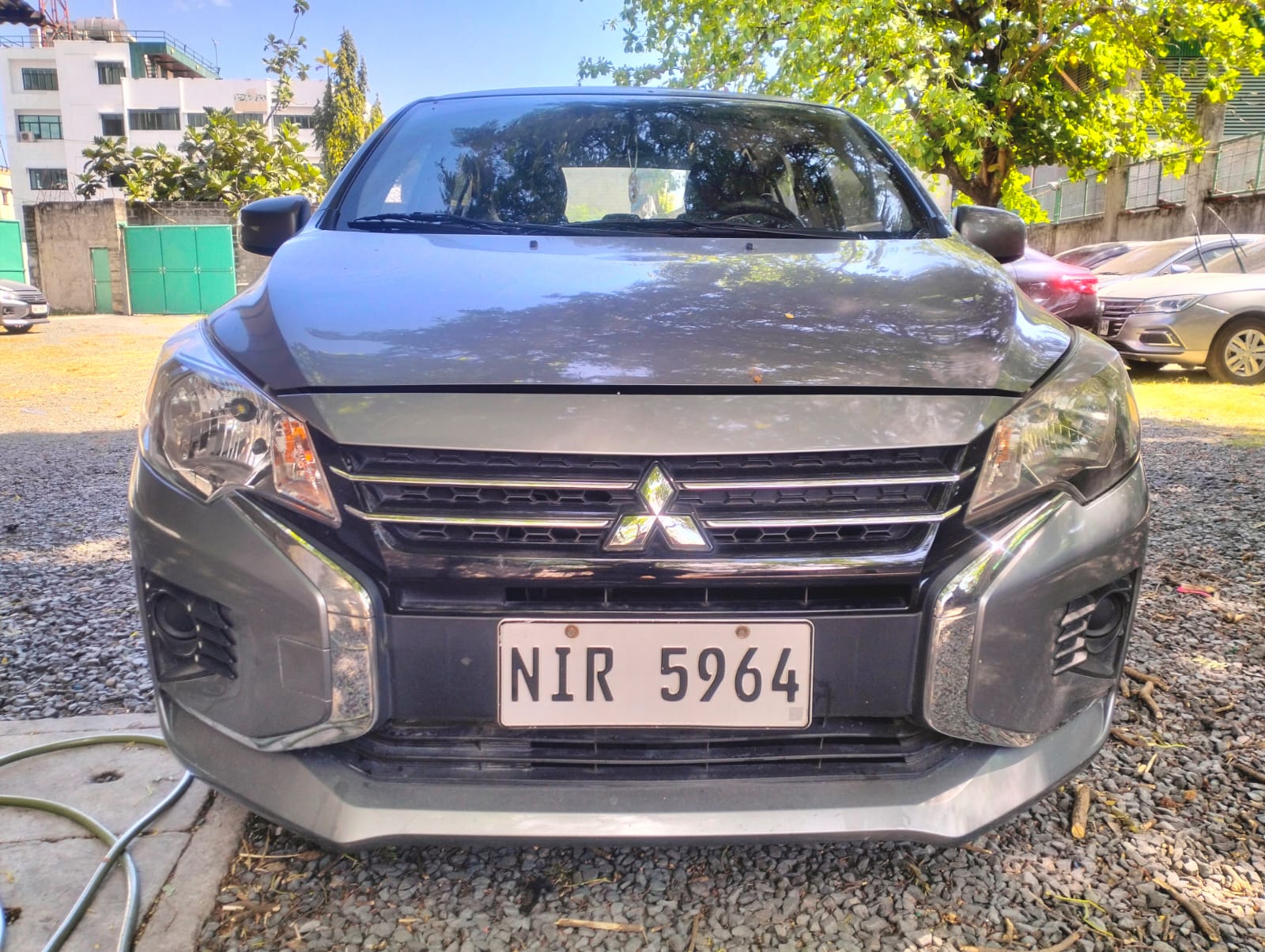
- Mitsubishi Mirage G4 1.2 CVT — the benchmark: light body, 3-cylinder engine, roughly 10–14 km/L city and 18–22 km/L highway.
- Suzuki Dzire 1.2 AGS — just as light, roughly 11–15 city and 18–22 highway; the automated manual pauses between shifts, which some drivers dislike.
- Honda Brio 1.2 CVT — the hatchback pick, roughly 10–14 city and 17–21 highway.
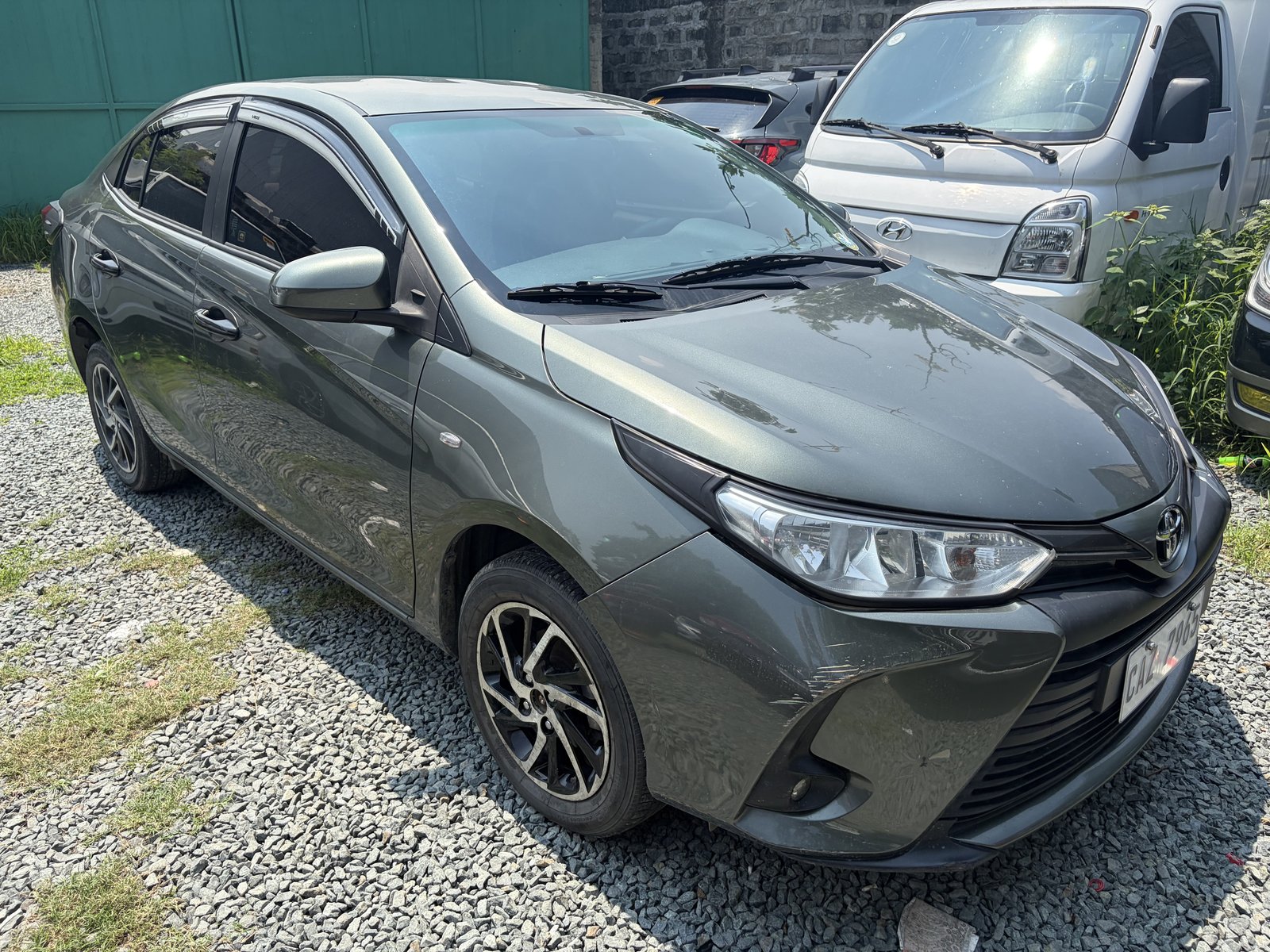
- Toyota Vios 1.3 CVT — a little thirstier at roughly 9–13 city and 16–20 highway, with the best parts supply and resale in the country.
- Honda City 1.5 CVT — more power, roughly 9–12 city and 15–19 highway.
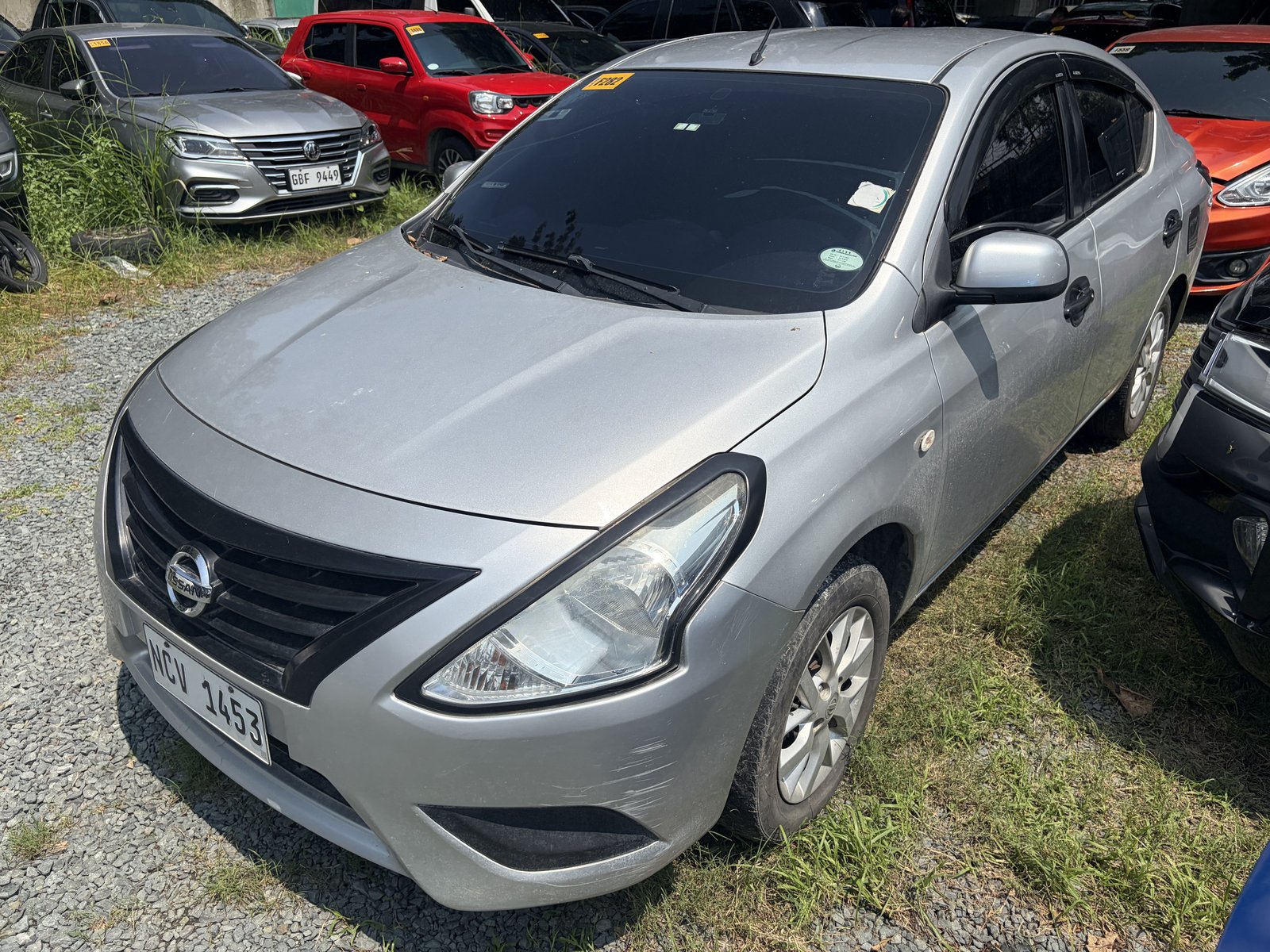
- Nissan Almera 1.5 MT — the cheapest way in, roughly 8–12 city and 14–17 highway, with the biggest back seat of the group.
| Model and engine | Transmission | Owner-reported city km/L | Owner-reported highway km/L | Example on our lot (October 2026) |
|---|---|---|---|---|
| Mitsubishi Mirage G4 1.2 | CVT | roughly 10–14 | roughly 18–22 | 2023 GLX 1.2G CVT — ₱395,000 |
| Suzuki Dzire 1.2 | AGS | roughly 11–15 | roughly 18–22 | 2024 Dzire AGS — ₱345,000 |
| Honda Brio 1.2 | CVT | roughly 10–14 | roughly 17–21 | 2023 Brio V AT — ₱470,000 |
| Toyota Vios 1.3 | CVT | roughly 9–13 | roughly 16–20 | 2023 Vios 1.3 XLE CVT — ₱495,000 |
| Honda City 1.5 | CVT | roughly 9–12 | roughly 15–19 | 2018 City 1.5 VTEC AT — ₱381,000 |
| Nissan Almera 1.5 | Manual | roughly 8–12 | roughly 14–17 | 2018 Almera 1.5 E MT — ₱265,000 |
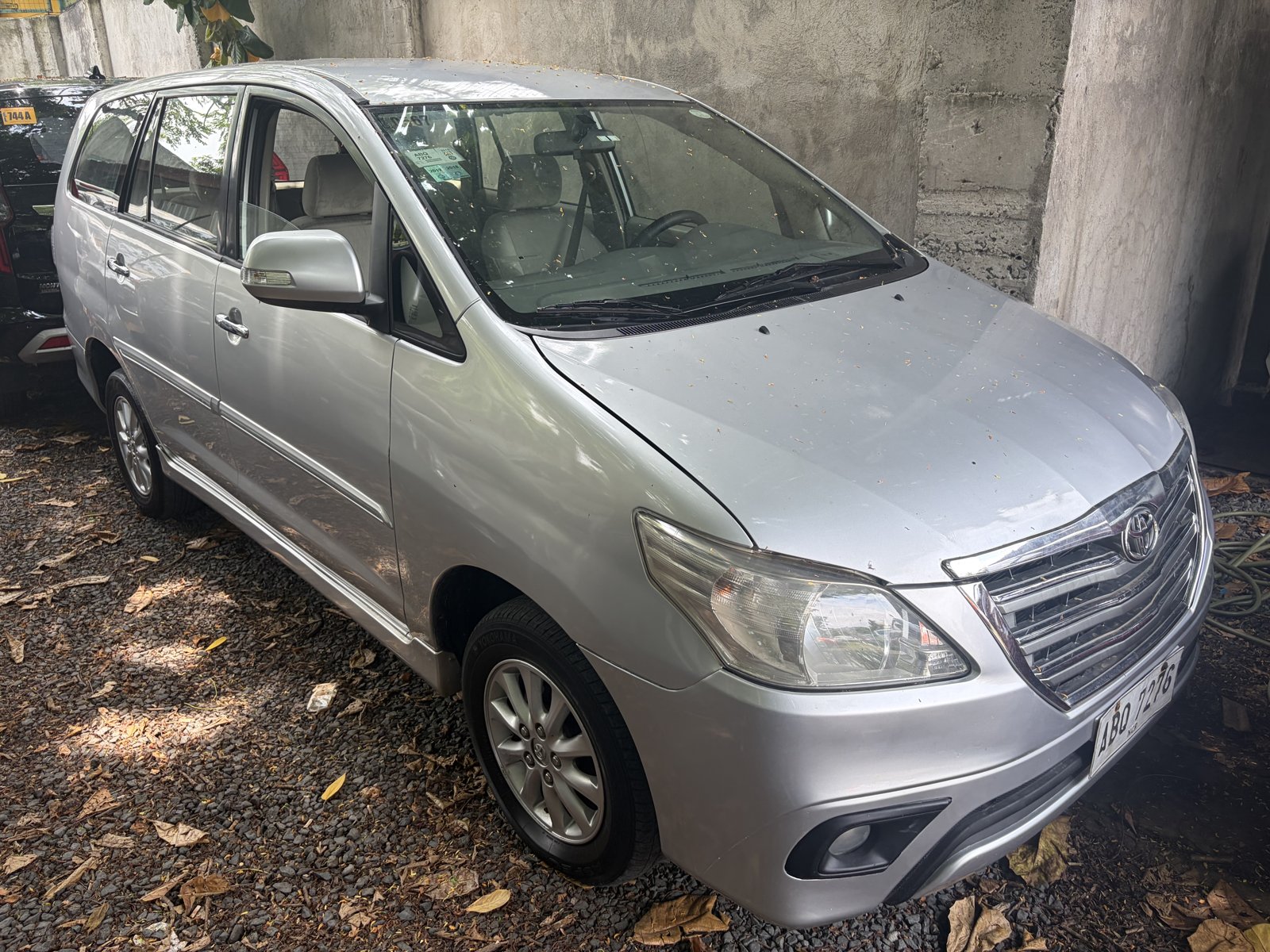
| Toyota Innova 2.5 diesel | Automatic | roughly 8–11 | roughly 12–15 | 2015 Innova 2.5 G Diesel AT — ₱470,000 |
Conservative owner-reported ranges for Philippine driving with the aircon on; your result will vary with traffic, tyre pressure and maintenance.
Diesel MPVs and vans for high-mileage users
For drivers covering 2,000 km a month or more, a diesel MPV or van usually costs less per kilometre than its km/L suggests. Diesel is often cheaper per litre in the Philippines, and diesel torque suits a loaded cabin settling into an expressway cruise.
The classic case is the Toyota Innova 2.5 diesel, commonly reported at roughly 8–11 km/L in the city and 12–15 km/L on the highway while carrying seven people. Our 2015 Innova 2.5 G Diesel AT lists at ₱470,000 with 93,345 km; the newer 2025 Innova 2.8 XE AT is ₱930,000. For business use, a 2025 Hyundai H100 2.5 GL at ₱590,000 earns its fuel back on every delivery run.
The trade-off is upkeep: a common-rail diesel that skipped oil changes can turn into an expensive injector or turbo job, so service history matters more here than on a Vios. We weigh the whole decision in our guide to diesel vs gasoline used cars in the Philippines.
City vs highway: what Metro Manila traffic does to consumption
Metro Manila traffic can cut fuel economy by a third or more compared with the same car on SLEX, which is why the city column matters most for most buyers. An engine idling at a standstill burns fuel for zero kilometres, and a small engine running the aircon compressor at idle spends much of its output just keeping you cool.
Every restart from a stop is the least efficient thing a car does, which is where a CVT earns its keep by holding the engine in its efficient band through the crawl. If your plate is under number coding one weekday, your monthly kilometres drop and the whole computation changes; if you commute EDSA or C5 daily, budget on the low end of the city range.
Monthly fuel cost worked examples
Your monthly fuel bill is kilometres ÷ km/L × pump price, so compute it for your own commute before you fall for a km/L number. Assumption for the examples below: gasoline at ₱65 per litre and diesel at ₱60 per litre. These are placeholder pump prices for the arithmetic only, not a quote; substitute the price at your station today.
- Mirage G4 at 12 km/L city, 1,000 km a month: 1,000 ÷ 12 = 83.3 litres × ₱65 = about ₱5,400.
- Vios 1.3 CVT at 10 km/L city, 1,000 km a month: 100 litres × ₱65 = ₱6,500.
- Innova 2.5 diesel at 9 km/L mixed, 2,500 km a month: 277.8 litres × ₱60 = about ₱16,700. The same 2,500 km in a Vios at 11 km/L mixed: 227.3 litres × ₱65 = about ₱14,800.
The small sedan still wins on fuel alone; the diesel MPV wins when you need seven seats, because gasoline cars of that size commonly report lower km/L than a Vios. And the Mirage-versus-Vios gap is about ₱1,100 a month, small beside the ₱100,000 price gap between our 2023 Mirage G4 and our 2023 Vios XLE.
Driving habits that matter more than the badge
The driver and the car's condition move real-world km/L more than the difference between two badges in the same class. Owners who beat the ranges above share these habits.
- Tyre pressure monthly, checked cold against the door-jamb sticker.
- Aircon on, but managed: recirculate once the cabin is cool, no full-blast fan at every stop.
- Look two cars ahead and lift off early; every stop you avoid is a restart you avoid.
- No idling in the parking lot, and no roof box or trunk full of tools riding along every day.
- PMS on schedule. A clogged air filter, old plugs and tired oil quietly cost km/L.
Fuel is one line in the budget. Our guide to the total cost of car ownership in the Philippines puts it beside PMS, insurance, registration and depreciation.
Efficient units in stock
These are the units on our Parañaque lot today that we would point an efficiency-first buyer toward, with October 2026 list prices. Each was inspected and had its documents verified before listing, and each is sold as-is, where-is through a private sealed offer that no other buyer sees.
- 2023 Mitsubishi Mirage G4 GLX 1.2G CVT — ₱395,000, 24,221 km. See every Mirage in stock.
- 2024 Suzuki Dzire AGS — ₱345,000, 17,812 km.
- 2023 Honda Brio V AT — ₱470,000, 8,808 km.
- 2023 Toyota Vios 1.3 XLE CVT — ₱495,000, 25,454 km. See every Vios in stock.
- 2018 Honda City 1.5 VTEC AT — ₱381,000.
- 2018 Nissan Almera 1.5 E MT — ₱265,000, 54,296 km.
- 2015 Toyota Innova 2.5 G Diesel AT — ₱470,000, 93,345 km, for the high-mileage family.
Several overlap with our best first cars under ₱300k; if the CVT in the newer units worries you, read our take on CVT reliability in used cars first. Financing starts from 1.40% per month add-on rate, subject to credit approval, plus a 6.95% one-time chattel/processing fee on the amount financed (see financing); the buying steps are on how it works.
FAQ: fuel efficiency questions we hear most
What is the most fuel-efficient used car in the Philippines?
Among common used cars, the 1.2-litre Mitsubishi Mirage and Mirage G4, Suzuki Dzire and Honda Brio sit at the top, with owners commonly reporting roughly 10–15 km/L in city traffic and up to the low 20s on the highway. The Toyota Vios 1.3 is close behind and the easiest to service. Results depend on traffic, aircon use and maintenance.
How many km per liter is good in city driving?
In Metro Manila stop-and-go traffic with the aircon on, roughly 10 km/L or better is good for a small gasoline car, 8–10 km/L is normal for a 1.5-litre sedan or a gasoline MPV, and 7–9 km/L is typical for a diesel 7-seater. Below 7 km/L in a small car usually points to a maintenance or driving-style problem.
Are diesel cars more fuel efficient than gasoline?
Per litre, a diesel engine usually travels further than a gasoline engine of similar size, and diesel is often cheaper per litre in the Philippines. But diesel mostly comes in heavier MPVs, SUVs and vans, so their km/L is lower than a small gasoline sedan's. Diesel wins on cost per kilometre for high-mileage, loaded or highway use; a small gasoline car wins for short city trips.
Does a CVT save fuel compared to a manual?
In stop-and-go city traffic a CVT usually matches or beats a manual because it keeps the engine in its most efficient range without depending on the driver's shifting. On open highways a well-driven manual can be equal or slightly better. For most Metro Manila commuters the CVT is the easier way to get consistent km/L.
How do I compute my monthly fuel cost?
Divide your monthly kilometres by the car's realistic km/L to get litres, then multiply by the pump price. Example: 1,000 km a month at 10 km/L is 100 litres; at an assumed ₱65 per litre that is ₱6,500 a month. Use the city km/L if most of your driving is in Metro Manila, and redo the math whenever pump prices move.