
Your first car under 300k does not need to impress anyone. It needs to start every morning, sip fuel, and be cheap to fix when something goes wrong. That is the whole job.
The good news: in the Philippines, ₱300,000 buys a genuinely usable, sensible car from a nameplate you already trust. Below are the picks we actually stock, why they work for a first-time owner, and what your real out-the-door budget looks like.
- What matters in a first car (and what doesn't)
- Hatchback picks: Eon and small city cars
- Sedan picks: older Vios, Accent, Mirage G4
- The AUV option: Adventure for big families
- Total budget: price plus transfer, insurance, buffer
- Sub-₱300k units in our stock today
- First-timer inspection and paperwork basics
- FAQ
What matters in a first car (and what doesn't)
For a first car, prioritise the boring stuff. It saves you the most money over the years you actually own it.
What matters: parts availability, cheap servicing, low fuel use, easy resale, and a clean, complete OR/CR. A car any talyer in the country can fix is worth more to you than a rare model with a fancier badge.
What doesn't: horsepower, the newest model year, a sunroof, or a top-spec variant. On a first car those things mostly add cost, both to buy and to insure, without making your daily commute better.
This is why the same handful of nameplates keep showing up on every honest shortlist: they are common on purpose. If you want the full logic on stretching a budget, our guide on how much car you can afford walks through the numbers.
Hatchback picks: Eon and small city cars
If your driving is mostly city and solo or two-up, a small hatchback is the easiest first car to live with. It is light on fuel, simple to park in tight Metro Manila spots, and cheap to insure.
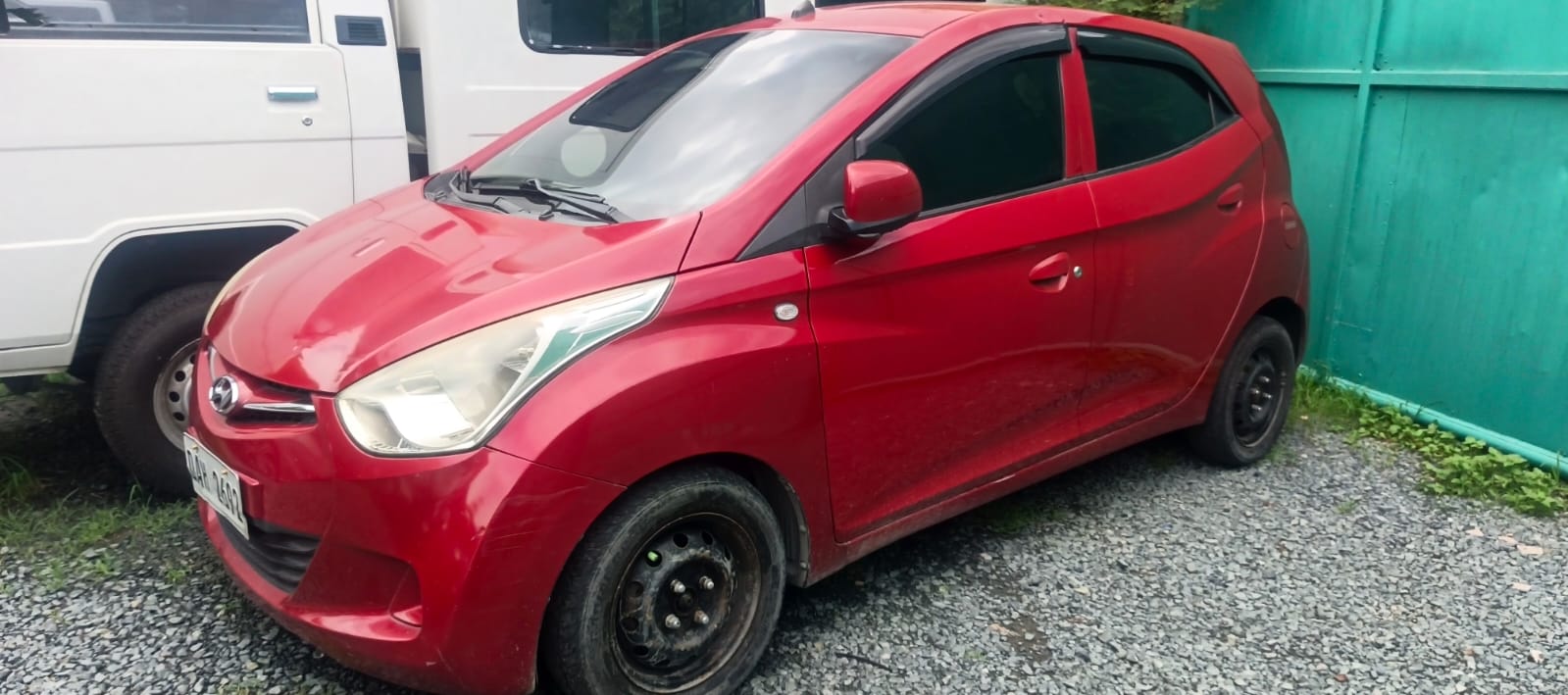
The Hyundai Eon is the classic example. It is tiny, frugal, and mechanically simple, which keeps repair bills low. The unit pictured above is a 2018 Hyundai Eon GLX MT, listed at ₱198,000 (July 2026) — a manual, which for a small city car many owners actually prefer because it is cheaper to maintain and gives more control.
Hatchbacks also make sense if you are still building confidence behind the wheel. Short body, good visibility, and low running costs are exactly what you want in the first year.
Sedan picks: older Vios, Accent, Mirage G4
Prefer a proper boot and a bit more space? A slightly older sedan is the sweet spot under ₱300k, and this is where the strongest first-car nameplates live.
Toyota Vios
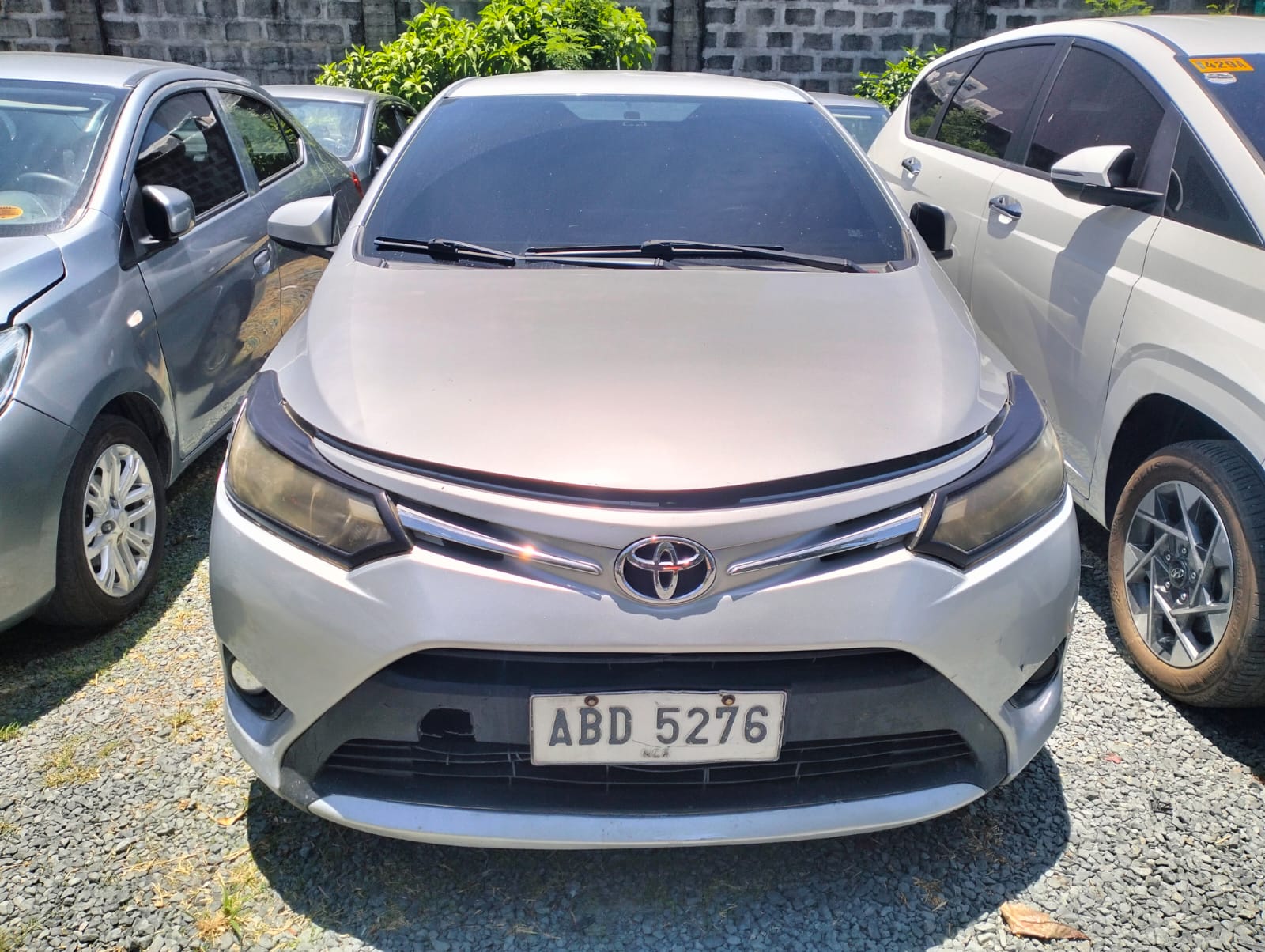
The Vios is the default answer for a reason: unkillable, everywhere, and it holds its value better than almost anything in its class. An older manual like the 2016 Vios J, listed at ₱255,000 (July 2026) is about as safe a first-car bet as exists in the country. See all Vios in stock if you want to compare years and variants.
Mitsubishi Mirage G4
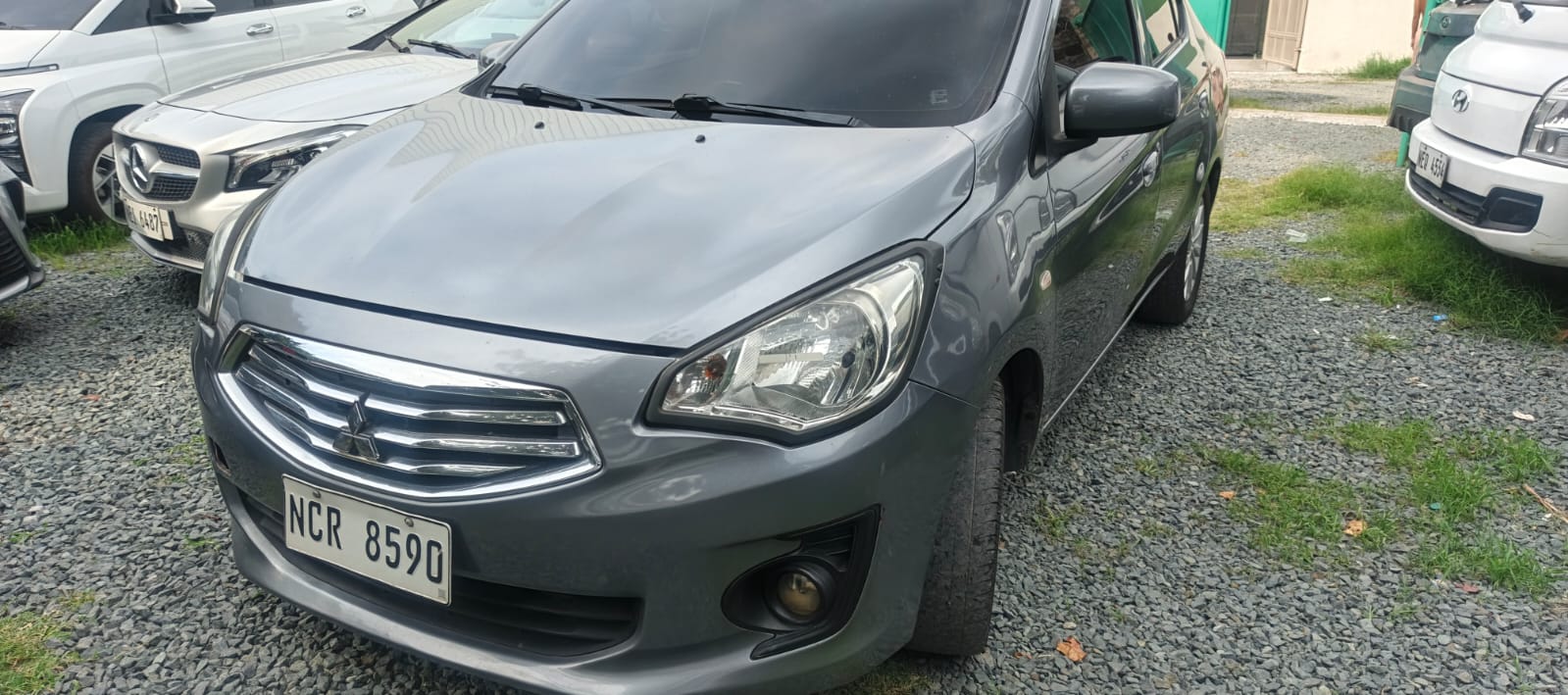
The Mirage G4 is the fuel-economy champion of this list and one of the cheapest sedans to run, full stop. The 2018 Mirage G4 GLX, listed at ₱295,000 (July 2026) sits right at the top of the budget while still being a newer year. If it is your leading candidate, read our dedicated used Mirage G4 buying guide before you view.
Hyundai Accent
The Accent is the value pick — usually a little cheaper than an equivalent Vios for a roomier cabin. We have a 2017 Hyundai Accent Gas AT, listed at ₱200,000 (July 2026), an automatic that keeps things easy in traffic. If you know you want a two-pedal car, our roundup of the best automatic cars under ₱600k covers more options as you scale up.
The AUV option: Adventure for big families
Small car not enough? If you regularly move a big family or haul goods for a sideline, a hardy AUV changes the maths. The Mitsubishi Adventure is the go-to here — diesel-tough, roomy, and famously cheap to keep running in the provinces.
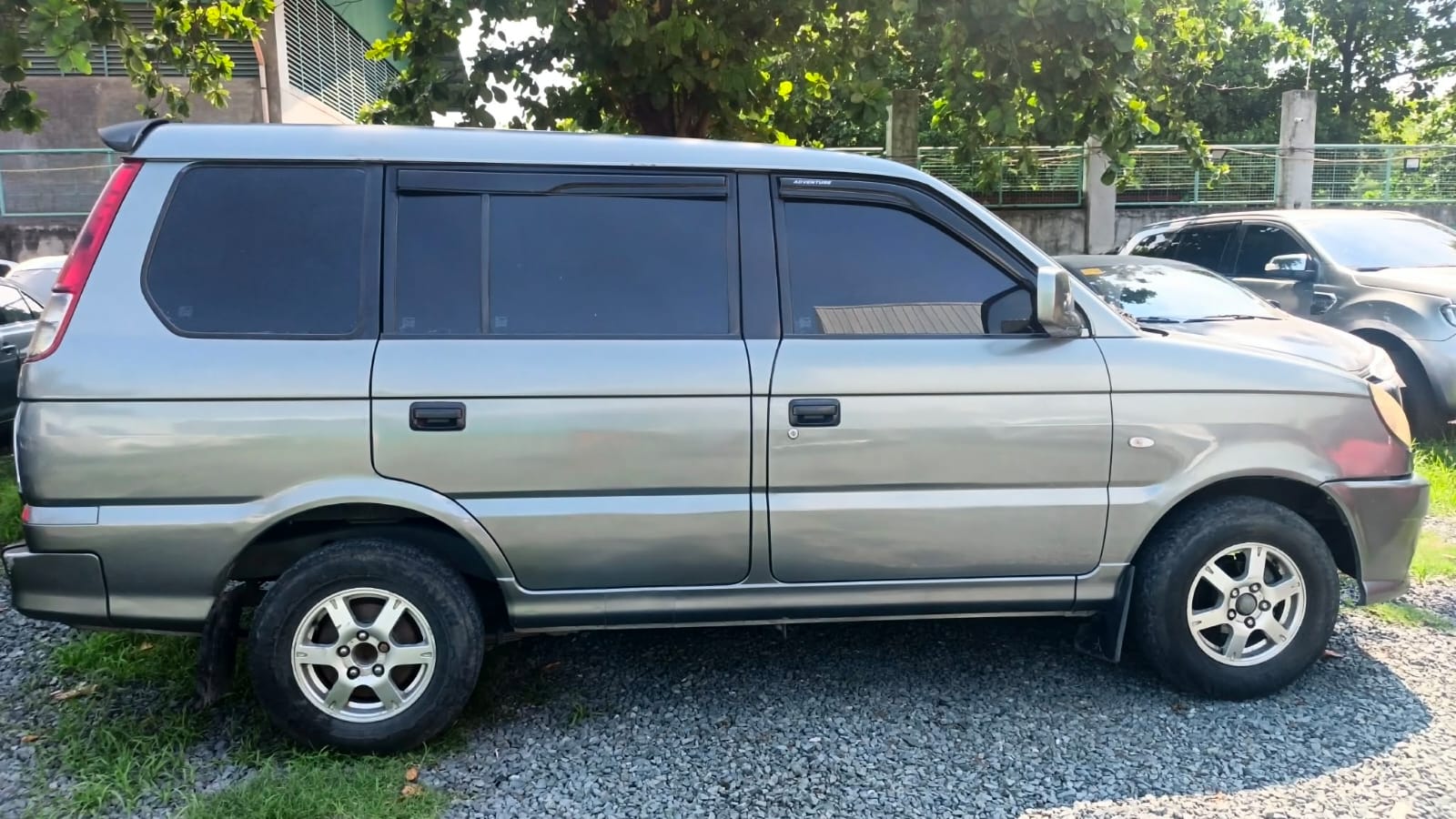
The 2015 Adventure GLX, listed at ₱249,000 (July 2026) seats the whole barkada, swallows luggage, and shrugs off rough provincial roads. It is not a fuel sipper like the Mirage, but for family duty or light hauling the space-per-peso is hard to beat under ₱300k.
Total budget: price plus transfer, insurance, buffer
The sticker price is not the out-the-door price. Plan for four things so ₱300k does not quietly become ₱330k of surprises.
- The car itself — your negotiated price via our sealed-offer process.
- Transfer of OR/CR — LTO transfer and related fees. These vary, so treat any figure as approximate market context, not a fixed quote.
- Insurance — CTPL is required to register; comprehensive is optional but wise on a daily driver. Costs are typically a percentage of the car's value.
- A repair buffer — roughly 10% of the price set aside for a first service, tyres, and small fixes.
So on a ₱250,000 car, a sensible plan is the price, plus a few thousand for transfer, plus insurance, plus around ₱25,000 held back. If that stretches you, financing can spread the cost.
Through our lending partners, rates start from 1.40% per month add-on (subject to credit approval), with a one-time 6.95% chattel/processing fee on the amount financed. As an illustration only: finance ₱200,000 over 36 months at a 1.40% add-on rate and the monthly works out to about (200,000 + 200,000 × 0.014 × 36) ÷ 36 ≈ ₱8,356, before the one-time fee — final rate and approval always depend on your profile. See how financing works for the full details.
Sub-₱300k units in our stock today
Here is a quick comparison of first-car candidates on our lot right now, all under or around the ₱300k mark. Prices are as listed in July 2026 and move as stock changes.
| Car | Year | Body | Listed price (July 2026) | Good for |
|---|---|---|---|---|
| Hyundai Eon GLX | 2018 | Hatchback | ₱198,000 | Cheapest to run, city solo |
| Hyundai Accent | 2017 | Sedan | ₱200,000 | Roomy value, automatic |
| Mitsubishi Adventure GLX | 2015 | MPV | ₱249,000 | Big family, hauling |
| Toyota Vios J | 2016 | Sedan | ₱255,000 | Best resale, safest bet |
| Mitsubishi Mirage G4 GLX | 2018 | Sedan | ₱295,000 | Fuel economy, newer year |
Every unit here is sold as-is, where-is, with a guide price you can beat with a private sealed offer — no bidding wars, no public counter. Browse the full lineup on our home page, or read how it works to understand the offer flow before you view.
First-timer inspection and paperwork basics
You do not need to be a mechanic. You do need to check a few things, ideally bring someone who knows cars, and never skip the paperwork.
On the car
- Cold-start it yourself and listen for rough idle or smoke.
- Check all four tyres for even wear and matching brands.
- Test every electric: aircon, power windows, lights, wipers.
- Drive it — feel for pulling, odd noises, and how the brakes bite.
- Look underneath for oil leaks and fresh, mismatched paint.
On the papers
Confirm the OR/CR is complete and the engine and chassis numbers match the car. After full payment, we handle the transfer, and documents are released within 2–4 weeks. Verifying against LTO records is a smart habit — the official portal is lto.gov.ph.
Want a hand walking through a unit in person? Book a viewing and test drive by appointment at our Parañaque lot, Monday to Saturday.
FAQ: first cars under ₱300k
What is a good first car in the Philippines?
A good first car is small, cheap to run, and easy to fix. In the Philippines that usually means a Toyota Vios, Mitsubishi Mirage G4, Hyundai Eon, or Hyundai Accent. Parts are everywhere, any casa or talyer can service them, and resale stays strong. For a first car, boring and reliable beats fast or fancy every time.
Is ₱300k enough to buy a decent used car?
Yes. Under ₱300k you can get a clean, running sedan or hatchback from a known nameplate, often with complete papers. You won't get the newest year or the top variant, but you can get an honest daily driver. Keep a little aside for transfer costs and a first service, and ₱300k goes a long way.
Manual or automatic for a first car?
Both work. Manual is cheaper to buy, cheaper to repair, and gives you more control, but heavy NCR traffic makes it tiring. Automatic is easier to drive and resells faster in the city, though it costs a bit more and repairs are pricier. If your commute is mostly gridlock, an automatic is worth the premium.
How much should I keep for repairs after buying?
As a rule of thumb, set aside roughly 10% of the purchase price as a buffer. On a ₱250,000 car that is about ₱25,000 for a first service, new tyres if needed, battery, and small fixes. Every unit we sell is as-is, where-is, so budgeting this buffer keeps a surprise from becoming a problem.
Ready to shortlist? Compare the sedans on our guides page, browse the full lot, or if you already own a car and want to trade up, we also buy cars with a fast, market-based offer. When you find a match, book a viewing and make your sealed offer.