
"Reliable ba ang CVT?" is the question we hear most from buyers looking at a used Vios, Mirage G4, City or Stargazer on our Parañaque lot. The short answer is yes, with one condition: the transmission has to have been looked after, and you have to know how to tell.
This guide explains what a CVT is, which Philippine cars use one, what the reliability record actually says, how fluid changes decide the outcome, and the exact test-drive checks and red flags we use before a unit goes on the lot.
What a CVT is and how it differs from a conventional automatic
A CVT (continuously variable transmission) has no fixed gears: a steel belt or chain runs between two pulleys that change diameter, so the engine can sit at its most efficient speed while the car accelerates. A conventional automatic uses a torque converter and planetary gearsets with a fixed number of ratios, which is why you feel it step through gears.
That difference explains the CVT's character. It is smooth and economical in traffic, but under hard throttle the engine revs climb and hold while the car catches up, which some drivers call the "rubber band" feel. It is normal, not a fault. What is not normal is shudder, whine or slipping, and the rest of this guide is about telling the two apart.
Two other automatics turn up in used stock. A dual-clutch transmission (DCT) is a pair of automated clutches that pre-select the next gear; it shifts quickly but can be jerky at crawling speed. An automated manual (AGS) is a manual gearbox with a robot working the clutch, and it pauses noticeably between shifts.
| Type | How it works | How it feels | Examples in our stock | What to check |
|---|---|---|---|---|
| CVT | Belt or chain between two variable pulleys, no fixed gears | Smooth, no shift steps; revs hold under hard throttle | Vios 1.3 XLE CVT, Mirage G4 GLX CVT, Honda City automatic, MG5 1.5 CVT, Stargazer IVT | Judder at light throttle, whine, fluid history |
| Conventional automatic | Torque converter and planetary gears, 4 to 10 fixed ratios | Distinct shifts, familiar | Xpander GLS (4-speed), Innova 2.8 (6-speed), Everest, Montero Sport | Harsh or delayed shifts, flare between gears, fluid colour |
| Dual-clutch (DCT) | Two automated clutches, next gear pre-selected | Fast shifts, can be jerky in stop-and-go | Geely Okavango (7-speed) | Shudder from standstill, hesitation, clutch-pack warnings |
| Automated manual (AGS) | Manual gearbox with a robotised clutch | Noticeable pause between shifts | Suzuki Dzire AGS | Rollback on hills, clutch actuator behaviour |
| Manual | Driver-operated clutch and gear lever | Full control, cheapest to repair | Vios 1.3 E MT, Mirage G4 GLX MT, Almera 1.5 E MT | Clutch bite point, grinding into 2nd or 3rd |
Which popular PH cars use one
Most of the best-selling small cars in the Philippines use a CVT today: the Toyota Vios (since its 2016 refresh), the Mitsubishi Mirage and Mirage G4, the Honda City, Brio and BR-V, the MG5 1.5, the Toyota Veloz and Yaris Cross, the Nissan Almera from 2022, and the Hyundai Stargazer, whose IVT (Intelligent Variable Transmission) is Hyundai's name for a chain-type CVT.
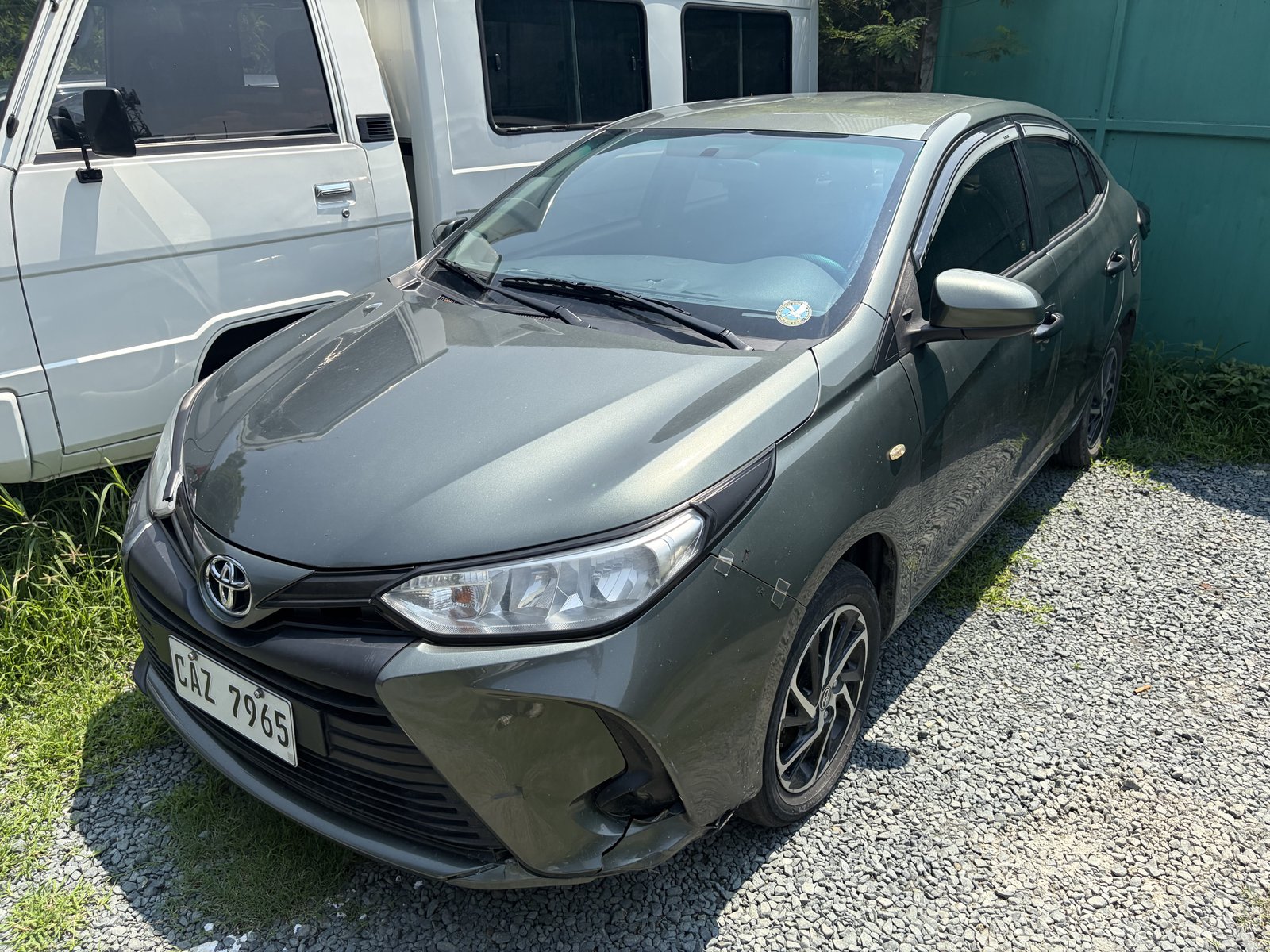
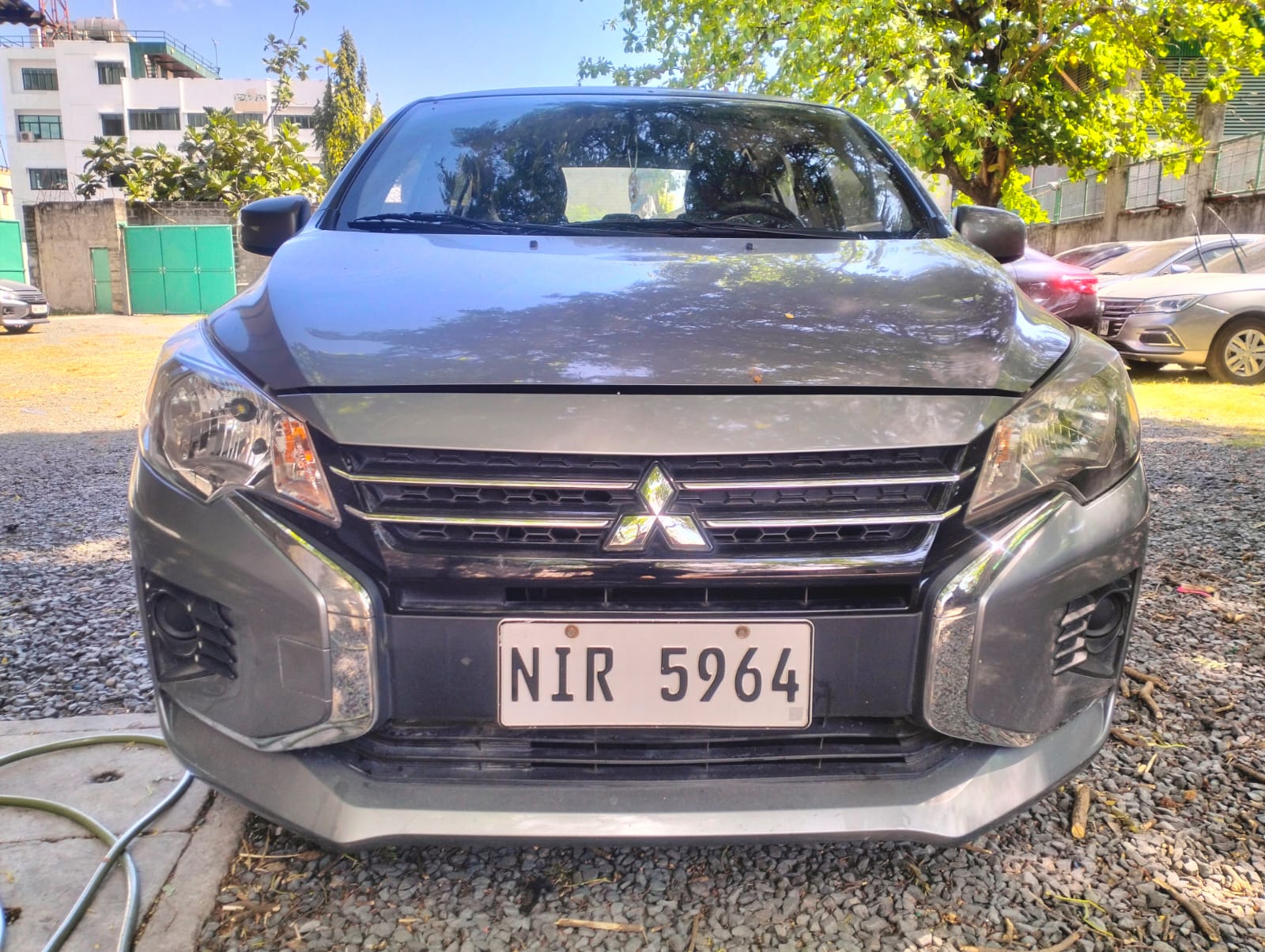
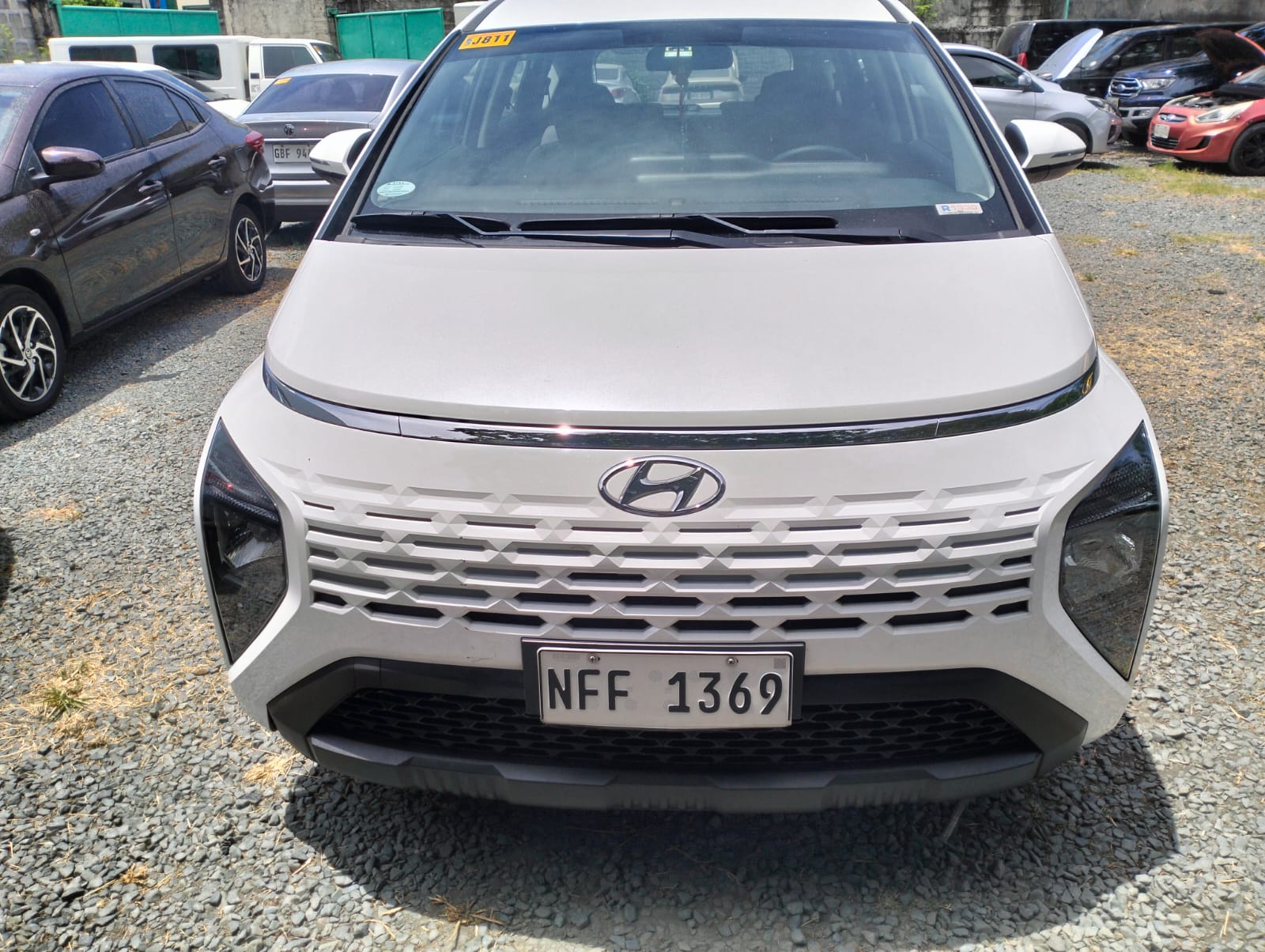
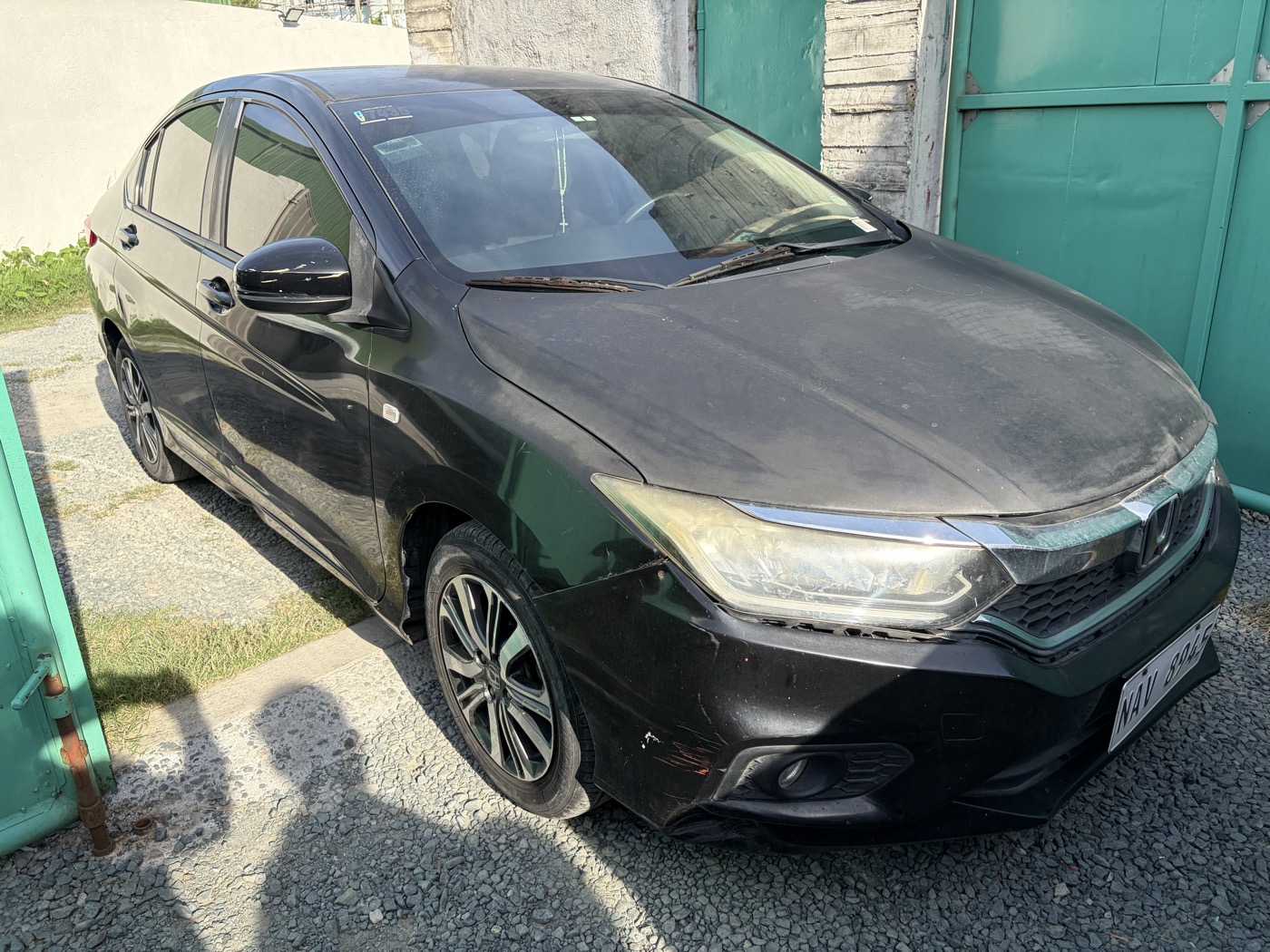
On our lot that means the 2023 Toyota Vios 1.3 XLE CVT, the 2023 Mitsubishi Mirage G4 GLX 1.2G CVT, the 2018 Honda City 1.5 VTEC AT (Honda's automatic City is a CVT), the 2024 MG MG5 1.5 CVT and the 2024 Hyundai Stargazer GL IVT all share the same basic technology, even though each maker specifies its own fluid and has its own quirks.
Not every automatic in a small MPV is a CVT. The Mitsubishi Xpander uses a conventional 4-speed automatic, the Toyota Innova a 6-speed, and the Xpander-based Nissan Livina sold here is documented with a 4-speed conventional automatic as well. If you prefer the conventional route we have a 2024 Nissan Livina in stock; confirm the transmission type on the unit itself, because the test-drive checklist is different.
Reliability: what the record says
The CVT's bad reputation comes mostly from early units of the 2000s and 2010s, and the current Toyota, Honda, Mitsubishi and Hyundai designs are, by owner reports, as durable as a conventional automatic when the fluid is serviced. Owners commonly report 150,000 to 200,000 km and beyond from a maintained unit.
Heat is the enemy. Metro Manila stop-and-go traffic cooks transmission fluid, and a CVT depends on that fluid for both lubrication and the friction that keeps the belt gripping the pulleys. That is why the same model can be bulletproof in one owner's hands and fail at 80,000 km in another's: the difference is almost always fluid changes and flood exposure, not the design.
Model by model, owners commonly report that the Vios CVT is unremarkable in the best way, that the Mirage and G4 CVT is durable with regular fluid changes, and that early City CVT units could judder at low speed until a fluid change and software update addressed it. The Stargazer IVT is newer and has less history, which is one more reason to buy the unit with receipts. We go deeper on the sedans in our Vios vs City comparison and our used Mirage G4 guide.
The fluid question
CVT fluid is the single biggest factor in whether a used CVT lasts, and many manufacturers suggest changing it around every 40,000–60,000 km under severe conditions, which describes most Philippine city driving; check the owner's manual for the specific car. Some makers describe the fluid as "lifetime", which in practice means the lifetime they expect, not yours.
- Use the maker's own specification. Toyota, Honda, Mitsubishi and Hyundai each specify their own CVT fluid. Generic automatic transmission fluid is the wrong fluid and a common cause of shudder soon after a "service".
- Drain-and-fill, not a high-pressure flush. On a higher-mileage unit a gentle drain-and-fill with the correct fluid is the safe approach; aggressive flushing can dislodge debris.
- A fluid change cannot fix a failed unit. If the belt or pulleys are already worn, fresh fluid may quiet it for a few weeks. That is the "just serviced" story to be wary of.
Test-drive checks for a used CVT
Test a used CVT from cold, because a warm transmission hides the judder and delayed engagement that reveal a tired unit. Ask that the car not be started before you arrive, then work through these in order.
- Cold start, foot on the brake. Shift P to R to D. Engagement should come within about a second, with no clunk and no high idle.
- Creep. On flat ground, release the brake without touching the throttle. The car should creep forward smoothly, not lurch or hesitate.
- Light throttle, 10 to 40 km/h. This is where judder shows. Feel for shudder through the seat and the steering wheel.
- Steady 60 km/h, then gentle throttle. Revs should rise smoothly with speed. Revs that jump while speed lags is slipping.
- One hard acceleration. Revs climb and hold while speed follows; that is normal. A rattle or a flare is not.
- A hill start and a reverse up a ramp. Both load the belt. Listen for whine and feel for rollback.
- Listen for whine. A whine that rises with road speed rather than engine speed points to the bearings or belt.
- Warning lights and a scan. A transmission or check-engine light is a hard stop. If you can, have the codes read before you offer.
Fold these into the full used car test drive checklist, which covers brakes, steering, aircon and the sounds that reveal expensive problems elsewhere.
Red flags that mean walk away
Walk away from a used CVT that judders under light throttle, whines louder as speed rises, flares its revs without gaining speed, or comes with a "just serviced" story and no receipt. Every unit we sell is as-is, where-is, and so is almost every used car in the Philippines, so the time to find these is before you pay.
- Shudder at light throttle between 10 and 40 km/h, especially when warm.
- Delayed or clunky engagement into Drive or Reverse, or a high idle while it thinks about it.
- Revs flaring under gentle throttle with little change in speed.
- Dark, burnt-smelling fluid on cars that still have a dipstick; many are sealed, which makes the receipt matter more.
- Limp mode (the car refuses to rev past a point) or any transmission warning light.
- Flood exposure. Silt under the carpets or a musty cabin is a transmission risk too, because the control module and connectors sit low. See our flood damaged car signs.
- Mileage that does not match the wear. A tired pedal and a low odometer is a tampering clue; our odometer tampering guide shows what to look at.
Repair vs replace: what you are looking at
A CVT problem ranges from a fluid service costing a few thousand pesos to a replacement unit that can run into six figures, so the diagnosis decides whether a cheap car is still cheap. Get a written quote from a transmission specialist before you offer, and build it into your number.
- Fluid change and software relearn. The cheapest outcome; it only works if the hardware is still healthy.
- Valve body, solenoids or sensors. A mid-range repair, typically in the tens of thousands of pesos depending on the model; check the quote.
- Belt and pulley rebuild. Specialist work; a handful of Metro Manila shops do it well. Costs vary widely with the model.
- Surplus or brand-new assembly. A used imported unit is cheaper than a new assembly from the casa, but carries its own unknowns. On older small cars a new assembly can approach the value of the car.
Because we sell through a sealed offer (a private offer that no other buyer sees), a documented transmission concern is a legitimate reason to offer below the listed price; what we will not do is promise a repair we have not done. Our guide on as-is, where-is meaning explains what that standard does and does not cover.
CVT units in stock
In October 2026 our Parañaque lot has CVT-equipped sedans and MPVs from ₱381,000, each inspected and with documents verified before listing. All are sold as-is, where-is through a sealed offer, with full payment before release and the OR/CR following 2–4 weeks after full payment.
- 2018 Honda City 1.5 VTEC AT — listed at ₱381,000. Honda's CVT automatic with the 1.5 i-VTEC.
- 2023 Mitsubishi Mirage G4 GLX 1.2G CVT — listed at ₱395,000, 24,221 km.
- 2024 MG MG5 1.5 CVT — listed at ₱410,000, 31,237 km.
- 2023 Mitsubishi Mirage G4 GLX 1.2G CVT — listed at ₱415,000, 52,122 km.
- 2023 Toyota Veloz G 1.5 CVT — listed at ₱484,000. A 7-seat MPV on the same technology.
- 2023 Toyota Vios 1.3 XLE CVT — listed at ₱495,000, 25,454 km.
- 2024 Toyota Vios 1.3 XLE CVT — listed at ₱530,000, 40,475 km.
- 2024 Hyundai Stargazer GL IVT — listed at ₱570,000, 38,851 km. Hyundai's IVT.
Browse the Vios units and the Stargazer units on the site, or book a cold test drive; we are open Monday to Saturday, 9 AM to 6 PM, by appointment. Financing is available from 1.40% per month add-on rate, subject to credit approval, with a 6.95% one-time chattel and processing fee on the amount financed; see financing and how it works.
FAQ: CVT questions buyers ask
Are CVT transmissions reliable?
Yes, modern CVTs from Toyota, Honda, Mitsubishi and Hyundai are reliable when the fluid is changed on schedule and the car has not been flooded or abused. Their poor reputation comes from early units of the 2000s and 2010s. In a used car the risk is neglect: a CVT with no fluid-change history deserves a careful cold test drive before you offer.
How long does a CVT last?
Owners commonly report 150,000 to 200,000 km and beyond from a CVT that has had regular fluid changes, which is a normal lifespan for a conventional automatic too. Neglected units, especially in Metro Manila stop-and-go heat, can fail much earlier. Service history, not the odometer alone, is the better predictor of how much life is left.
How often should CVT fluid be changed?
Many manufacturers suggest changing CVT fluid around every 40,000 to 60,000 km under severe conditions, which describes most Philippine city driving, while some call the fluid lifetime. Check the owner's manual for the specific car and always use the maker's own CVT fluid specification. A drain-and-fill with the correct fluid is the safe approach on a higher-mileage unit.
What are the signs of a failing CVT?
Shuddering or judder under light throttle, a whine that rises with road speed, engine revs flaring without the car gaining speed, delayed or clunky engagement when shifting into Drive, dark burnt-smelling fluid and a transmission warning light are the common signs. Any one of these on a used car should lower your offer or end the viewing.
Which cars in the Philippines use a CVT?
The Toyota Vios (since its 2016 refresh), Yaris, Veloz and Yaris Cross, the Mitsubishi Mirage and Mirage G4, the Honda City, Brio and BR-V, the MG5 1.5, the Nissan Almera from 2022 and the Hyundai Stargazer, whose IVT is Hyundai's chain-type CVT, all use one. The Mitsubishi Xpander and Toyota Innova use conventional automatics instead.