
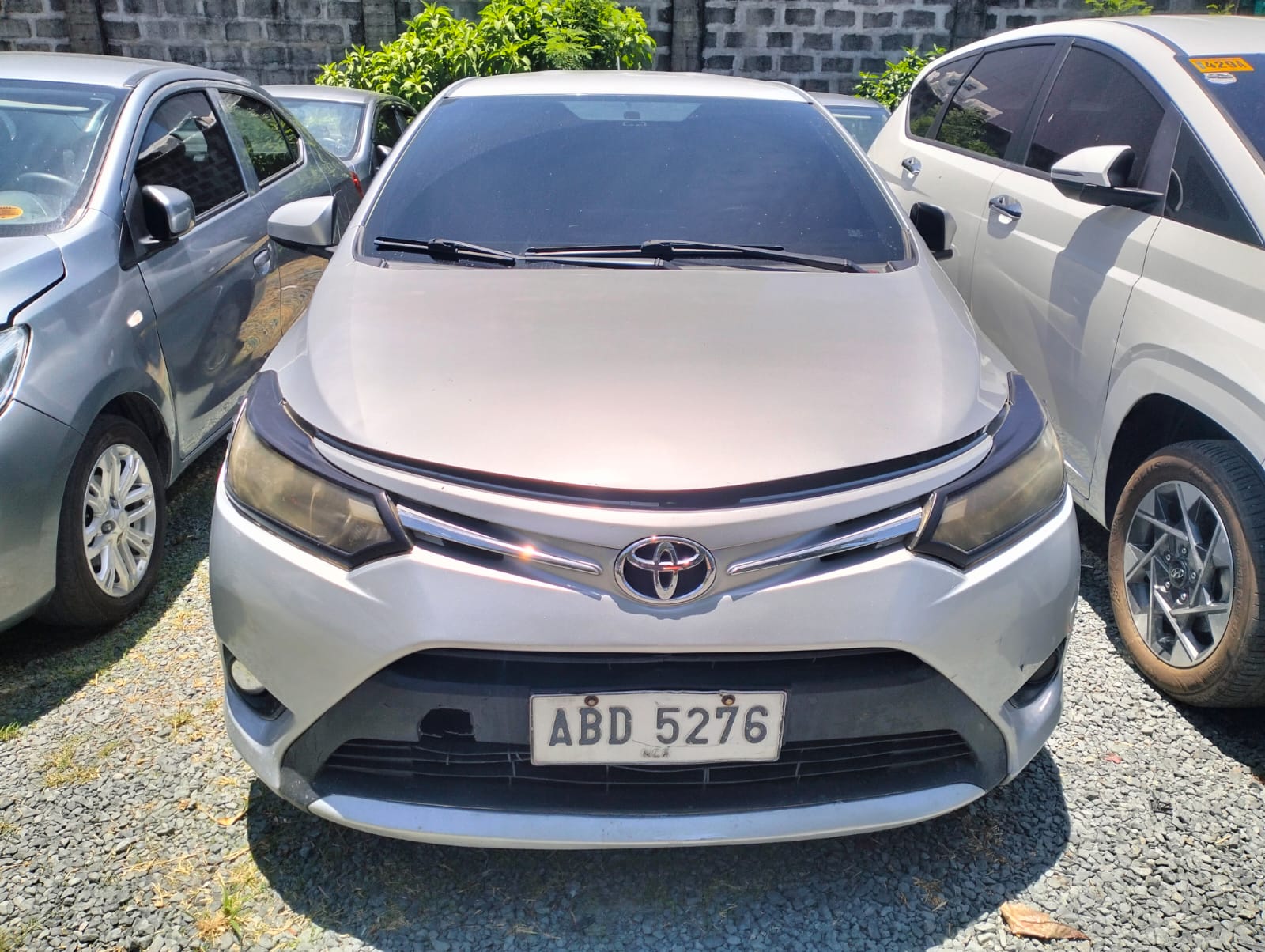
Manual vs automatic is usually the second question a used-car buyer asks, right after the budget. In the Philippines the answer has shifted over the last ten years: automatics used to cost more to buy, more to run and more to fix, and only the first of those is still reliably true.
This guide uses real manual and automatic units from our Parañaque lot to show the price gap, then works through traffic, fuel, maintenance, resale and the exact test-drive checks for each gearbox.
Quick verdict
Buy the automatic if you drive in Metro Manila every day and plan to sell within a few years; buy the manual if the budget is tight, the car will work hard, or you want the cheapest possible way into a reliable sedan. That is the whole decision for most buyers, and the table below shows why.
| Manual (MT) | Conventional automatic (AT) | CVT | |
|---|---|---|---|
| Used price | Lowest; the budget entry to every model | Higher than the manual of the same year | Higher; most 2016-onward small cars |
| Metro Manila traffic | Tiring: constant clutch work | Easy; creeps on its own | Easiest; smoothest at crawl |
| Fuel economy | Good; depends heavily on the driver | Older 4-speeds use a little more | Matches or beats the manual in city driving |
| Maintenance | Cheapest; clutch is the only big wear item | Fluid changes; costly if it fails | Fluid changes with the maker's own fluid; costly if neglected |
| Resale demand | Smaller pool: budget, fleet, provincial buyers | Strong | Strongest in small sedans |
| Who should buy | Budget-first buyers, business use, drivers who enjoy it | Families, MPV and SUV buyers | Daily city commuters |
| Examples in our stock | Vios 1.3 J MT and E MT, Mirage G4 GLX MT, Almera 1.5 E MT | Xpander GLS, Innova 2.8 XE, Everest | Vios 1.3 XLE CVT, Mirage G4 GLX CVT, Stargazer IVT |
The price gap on the used market
A used manual is cheaper than the same car with an automatic, and on our lot the manual units are also the oldest and cheapest examples of each model, which tells you where manuals sit in the market. The gap starts at the showroom, where the automatic carries a premium, and it persists because fewer used buyers want a manual.
- Toyota Vios: 2016 Toyota Vios 1.3 J MT at ₱235,000 and 2019 Toyota Vios 1.3 E MT at ₱250,000, against the 2023 Toyota Vios 1.3 XLE CVT at ₱495,000.
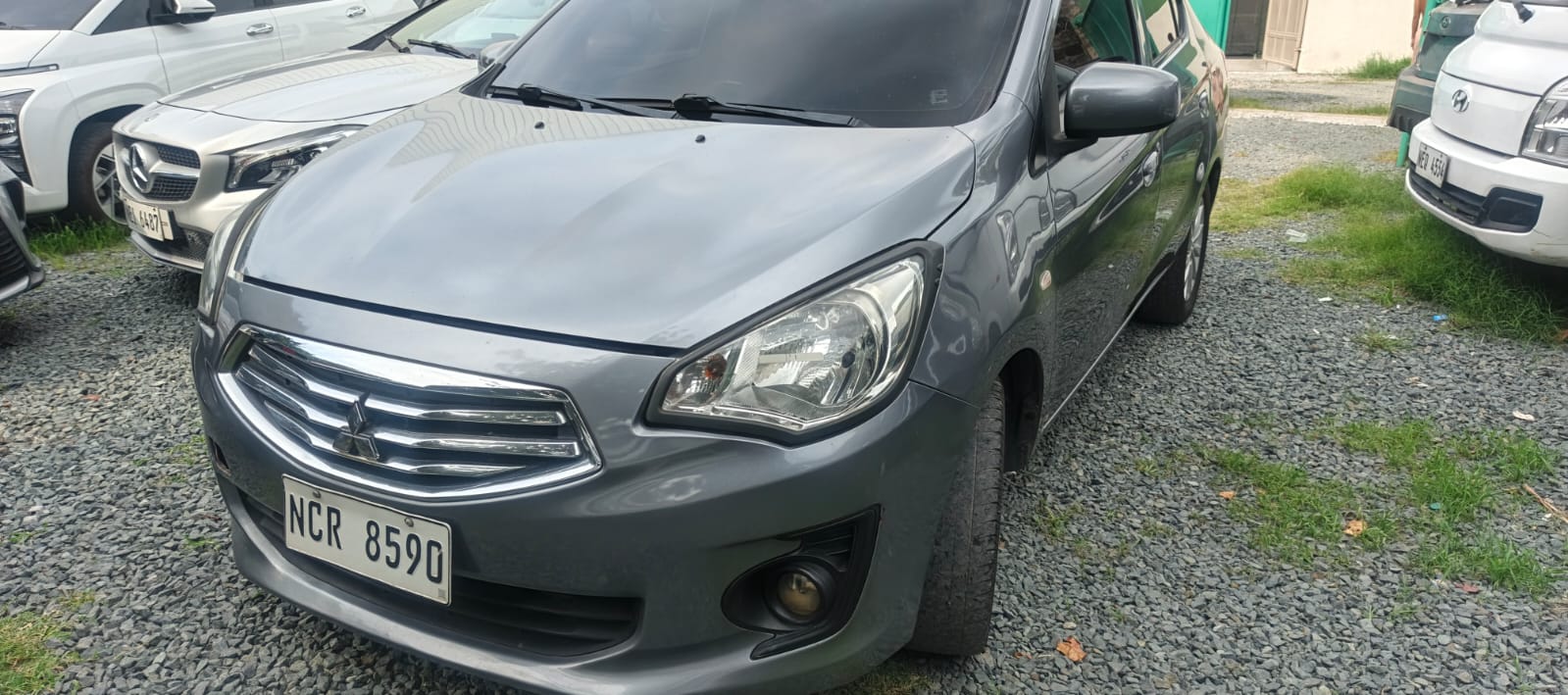
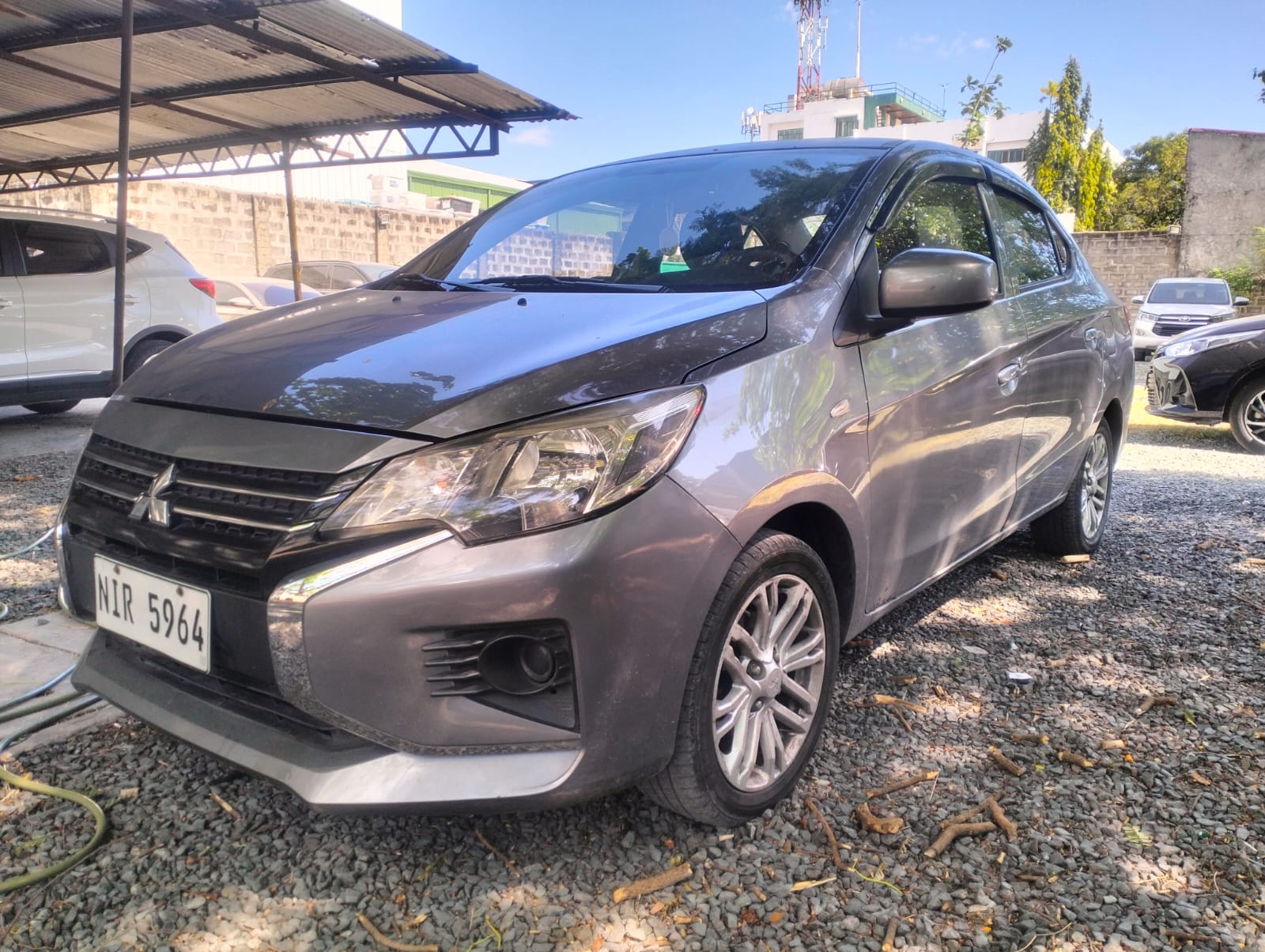
- Mitsubishi Mirage G4: 2018 Mitsubishi Mirage G4 GLX at ₱270,000, against the 2021 Mitsubishi Mirage G4 GLX 1.2 at ₱320,000 and the 2023 Mitsubishi Mirage G4 GLX 1.2G CVT at ₱395,000.
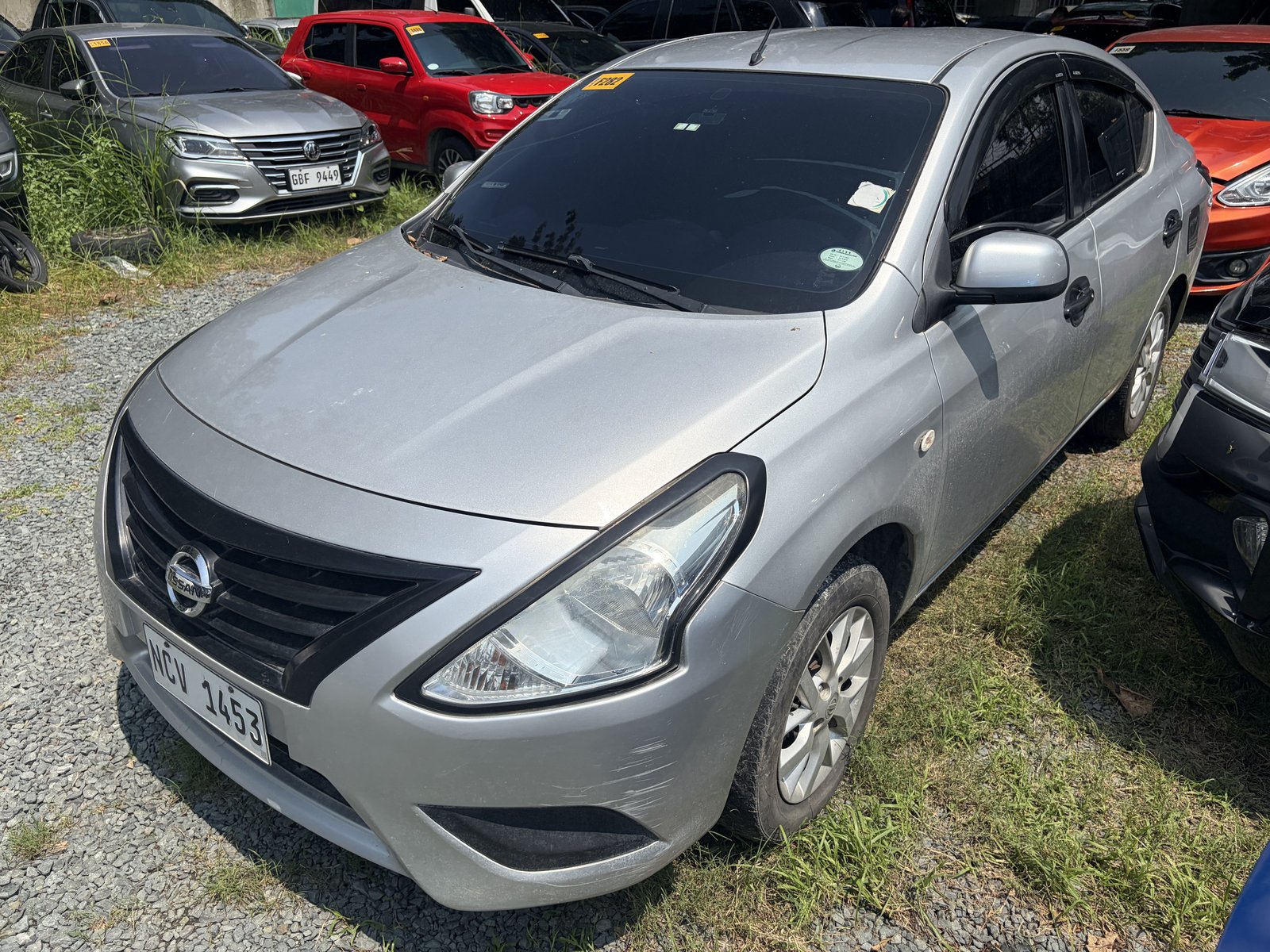
- Nissan Almera: 2018 Nissan Almera 1.5 E MT at ₱265,000, our cheapest 1.5-litre sedan.
Be honest with yourself about those numbers: the automatics above are also newer and lower in mileage, so part of each gap is age, not the gearbox. Same year, same variant, the manual is usually cheaper by a modest margin. Our used car depreciation guide shows how year and transmission each move a price.
Living with each in Metro Manila traffic
In EDSA-style stop-and-go traffic an automatic is simply less tiring, and that is the main reason most buyers in Metro Manila choose one. An hour of clutch-in, clutch-out at walking pace is a workout; an automatic creeps forward on its own and leaves your left leg alone.
The manual earns its keep elsewhere. It gives you full control on a provincial road, it is cheaper to fix if something goes wrong, and many drivers simply enjoy it. On a flyover ramp in traffic, a manual asks for a confident hill start every time; an automatic just holds. If your daily route is Parañaque to Makati at rush hour, that difference will decide the question for you within a week.
Check your licence too. Since the LTO updated its driver's licence codes in 2021, a licence can carry an AT condition that limits the holder to automatic vehicles, while an MT code covers both. As of October 2026, read the codes printed on your card or confirm with the LTO before you book a manual test drive.
Fuel economy: the gap has closed
A manual no longer guarantees better fuel economy; a modern CVT in a Vios or Mirage G4 matches it in city driving, and owners commonly report similar figures from both. The old rule came from 4-speed automatics that wasted fuel through the torque converter; a CVT keeps the engine at its most efficient speed instead.
For a small 1.2 or 1.3-litre sedan, owners commonly report roughly 10–14 km/L in Metro Manila traffic whichever pedal count it has, and 17 km/L or better on the expressway. A manual driver who short-shifts and coasts can beat that; a manual driver who rides the clutch and revs every gear will not. The driver moves the number more than the gearbox does; our guide to fuel-efficient used cars goes through the honest ranges by model.
Older conventional automatics are the exception. A 2010s 4-speed in a small car does cost a little fuel against the manual, which is one reason those units are priced the way they are.
Maintenance and repair costs
A manual is cheaper to maintain and cheaper to repair, but an automatic that has been serviced on time rarely needs that repair. The manual's running costs are gear oil and, eventually, a clutch; city driving shortens clutch life, and the job is a modest one that any talyer (independent shop) can do.
An automatic or CVT needs its fluid changed with the maker's own specification; many manufacturers suggest around every 40,000–60,000 km in severe use, so check the manual. Do that and it will typically outlast the rest of the car. Skip it and a rebuild or a replacement unit can run from tens of thousands of pesos into six figures on some models, which on a ₱300,000 car changes the whole sum. Our CVT reliability guide covers fluid, red flags and repair options in detail.
Resale and buyer demand
Automatics sell faster and hold their value better in Metro Manila, and manuals sell to a smaller pool of budget, fleet and provincial buyers that shrinks a little every year. That does not make a manual a bad buy; it makes it a car you buy cheap and should expect to sell cheap.
The exception is the bottom of the market. A manual Vios or Mirage G4 at ₱235,000 to ₱270,000 moves quickly because it is the cheapest reliable sedan a first-time buyer, a small business or a TNVS driver can find. Demand there is steady; it is just price-driven. Higher up, a manual Montero Sport or Everest is a hard sell against the same car with an automatic.
If you buy a manual, buy it because the price and the use case fit, not because you expect to get the money back. If you buy an automatic, buy one with fluid receipts, because a documented service history is what the next buyer will pay for. Our high mileage vs old car guide explains which kind of wear the market forgives.
How to test each on a test drive
Test a manual for its clutch and synchros and an automatic for its engagement and shifts, and do both from a cold start, because a warm gearbox hides its faults. Ask that the car not be started before you arrive.
Testing a manual
- Clutch bite point. It should engage in the middle of the pedal travel, not at the top. A high bite point means a worn clutch.
- Slip test. In 4th gear at about 60 km/h, press the throttle firmly. Revs should rise with speed; revs that jump while speed lags is slipping.
- Synchros. Shift 1st to 2nd and 2nd to 3rd briskly. Any grinding or resistance is a worn synchro.
- Pedal and lever feel. A juddering pedal, a squeal when you press it, or a lever that feels vague all point to wear.
- Hill start. Find a slope. Clutch control should be easy and the handbrake should hold.
Testing an automatic or CVT
- Engagement. From cold, shift P to R to D. It should take about a second, with no clunk.
- Creep. On flat ground, release the brake. Smooth forward movement, no lurch.
- Light throttle, 10 to 40 km/h. Feel for shudder on a CVT and for harsh or delayed shifts on a conventional automatic.
- Steady speed, then more throttle. Revs and speed should rise together; a flare is slipping.
- Reverse up a ramp and listen. Whine that rises with road speed is a hard stop.
Run both lists inside the full used car test drive checklist, which adds brakes, steering, aircon and the sounds that reveal expensive problems.
Manual and automatic units in stock
In October 2026 our Parañaque lot has manual sedans from ₱235,000 and automatic sedans from ₱320,000, all inspected and with documents verified before listing. Browse the Vios units or the Mirage G4 units on the site.
- 2016 Toyota Vios 1.3 J MT — listed at ₱235,000, 129,746 km. Manual.
- 2019 Toyota Vios 1.3 E MT — listed at ₱250,000. Manual.
- 2018 Nissan Almera 1.5 E MT — listed at ₱265,000, 54,296 km. Manual.
- 2018 Mitsubishi Mirage G4 GLX — listed at ₱270,000, 41,684 km. Manual.
- 2021 Mitsubishi Mirage G4 GLX 1.2 — listed at ₱320,000, 64,881 km. Automatic.
- 2023 Mitsubishi Mirage G4 GLX 1.2G CVT — listed at ₱395,000, 24,221 km. CVT.
- 2023 Toyota Vios 1.3 XLE CVT — listed at ₱495,000, 25,454 km. CVT.
Every unit is sold as-is, where-is through a sealed offer: a private offer that no other buyer sees, which we confirm, counter or accept. Full payment comes before release, and the OR/CR and transfer documents follow 2–4 weeks after full payment. Financing is available from 1.40% per month add-on rate, subject to credit approval, with a 6.95% one-time chattel and processing fee on the amount financed; see financing and how it works, then book a viewing. We are open Monday to Saturday, 9 AM to 6 PM, by appointment.
FAQ: manual vs automatic questions buyers ask
Is a manual or automatic used car better in the Philippines?
For daily driving in Metro Manila an automatic is better: it is less tiring in traffic, modern CVTs match manuals on fuel, and resale demand favours automatics. A manual is the better buy when budget comes first, the car will work hard in the province or for a business, or you prefer driving it. Both are fine choices in a well-maintained small sedan.
Are manual cars cheaper to buy used?
Yes. A used manual is cheaper than the same model with an automatic because it cost less new and fewer buyers want one now. On our lot in October 2026 the manual Vios, Mirage G4 and Almera sit at ₱235,000 to ₱270,000, while the automatic versions of the same models start higher, partly because they are also newer units.
Which is cheaper to maintain, manual or automatic?
A manual is cheaper to maintain: gear oil is inexpensive, the clutch is the only major wear item and any talyer can work on it. An automatic needs fluid changes with the maker's own fluid and a specialist if it fails, which costs more. The gap is small when the automatic is serviced on time and large when it is not.
Do automatic cars use more fuel?
Not any more, in most small cars. Older 4-speed automatics did use noticeably more fuel than a manual, but the CVTs in today's Vios, Mirage G4, City and Stargazer keep the engine at its most efficient speed, and owners commonly report similar figures for both. Driving style, aircon use and traffic affect consumption far more than the transmission does.
Which has better resale, manual or automatic?
Automatic cars have better resale in the Philippines, especially in Metro Manila, where most buyers want relief from traffic. A manual Vios or Mirage G4 still sells, but to a smaller pool of budget, fleet and provincial buyers, so it fetches less and may take longer. If you plan to sell within a few years, the automatic is the safer money.
Book a test drive of a manual and an automatic back to back →