
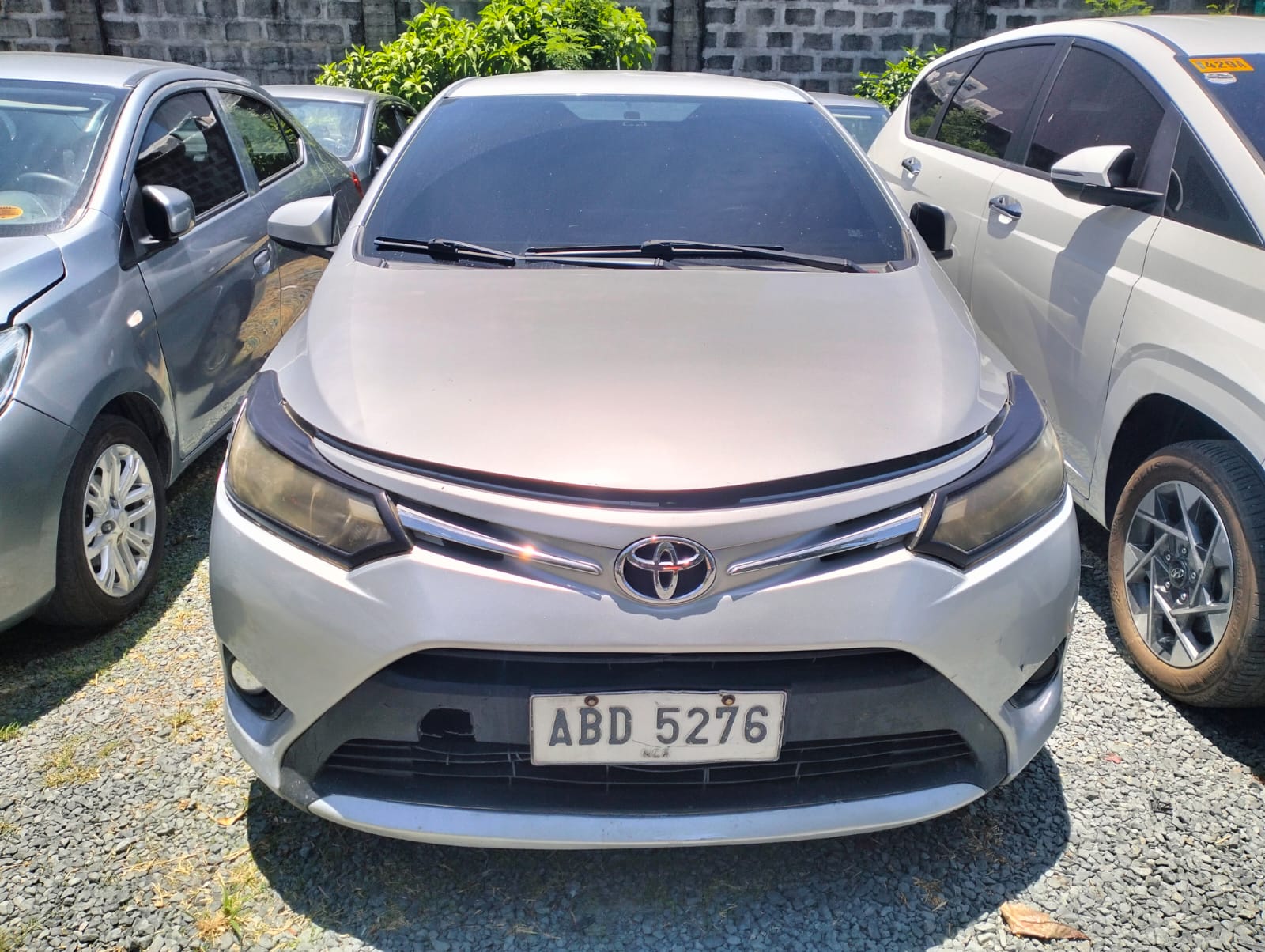
Most buyers compare interest rates to the decimal and never compute car depreciation at all, yet it is the number that decides whether a car was cheap or expensive to own. This guide explains how it works in the Philippine used market using real pairs from our Parañaque lot: same model, different years, priced on the same day. All percentages are hedged rules of thumb; we do not forecast prices.
What depreciation is and why it matters more than interest
Depreciation is the difference between what you pay for a car and what you can sell it for later, spread over the years you own it. Depreciation means the loss in a car's resale value over time; nobody sends you a bill for it, which is exactly why it gets ignored.
Interest is visible. A loan through our lending partners starts from 1.40% per month add-on rate, subject to credit approval, plus a 6.95% one-time chattel/processing fee on the amount financed (see financing), and every peso is printed on the schedule. Depreciation stays invisible until the day you sell.
Put real numbers on it. Our 2024 Vios 1.3 XLE CVT lists at ₱530,000; our 2016 Vios 1.3 J MT lists at ₱235,000. The ₱295,000 between them is roughly what eight model years, a lower variant and about 89,000 extra kilometres cost a Vios owner, before fuel, PMS or a single peso of interest. Our guide to the total cost of car ownership in the Philippines shows where that sits beside every other running cost.
The curve: years one to three, three to seven, seven and beyond
A used car's value does not fall in a straight line: it drops fastest when new, slows through the middle years, then almost flattens.
- Years one to three: the cliff. As a rough rule of thumb, a brand-new car in the Philippines loses a large chunk in its first year, commonly quoted somewhere in the 15–25% range, and roughly a third or more of its new price by year three, depending on brand and variant. This drop happens before a car ever reaches a used-car lot, so used buyers never pay it.
- Years three to seven: the slope. Value keeps falling, but more gently; roughly 8–12% a year is a common rule of thumb for mainstream models. This is where used buyers get the most car per peso and lose the least per year of ownership.
- Year seven and beyond: the floor. Values are low and move mostly on condition and papers rather than on another birthday.
These are rules of thumb, not a formula. The only number that matters is what a buyer will pay this month, which is what the next section shows.
Real examples from our lot (same model, different years)
The clearest way to see the curve is two of the same model, different years, priced on the same lot in the same week. These are list prices of different cars on one day, not one car tracked over time, and variant and mileage differences are part of every gap, which is exactly why you should never compare prices on year alone.
| Model | Older unit | Newer unit | Price gap | What else differs |
|---|---|---|---|---|
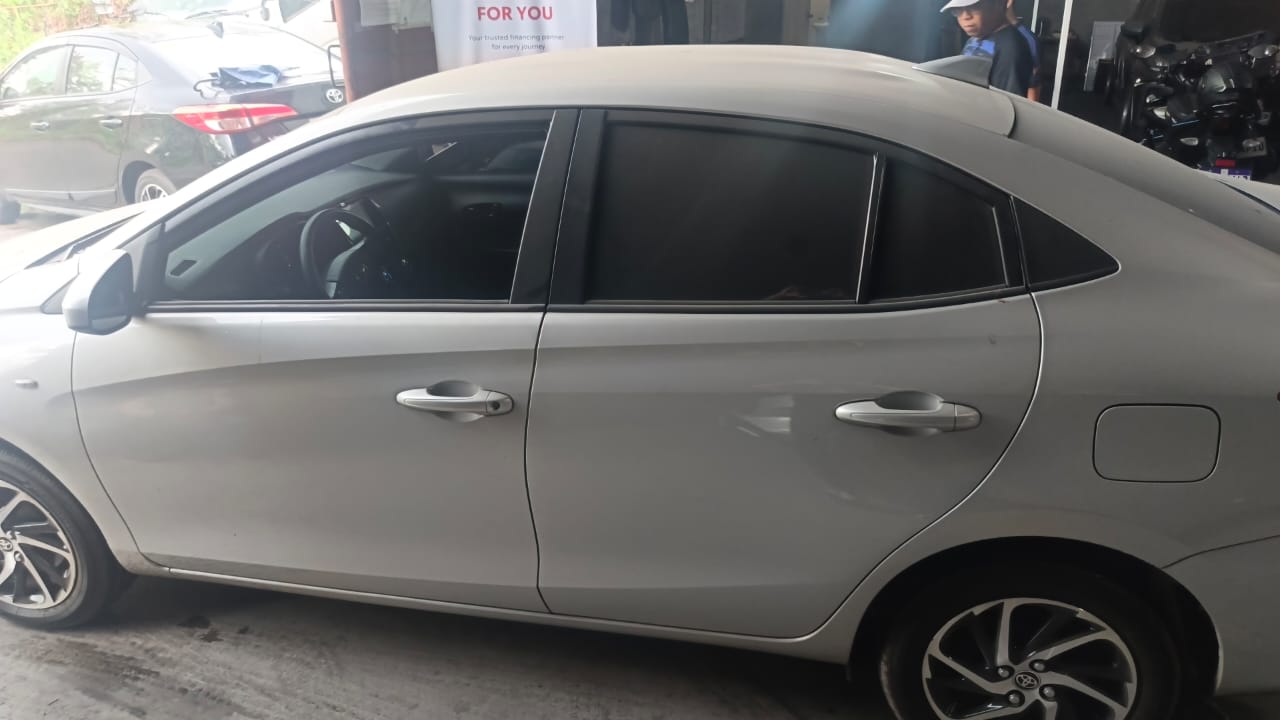
| Toyota Vios | 2016 1.3 J MT, 129,746 km, ₱235,000 | 2024 1.3 XLE CVT, 40,475 km, ₱530,000 | ₱295,000 (older about 56% lower) | J vs XLE, manual vs CVT, about 89,000 km more on the older car |
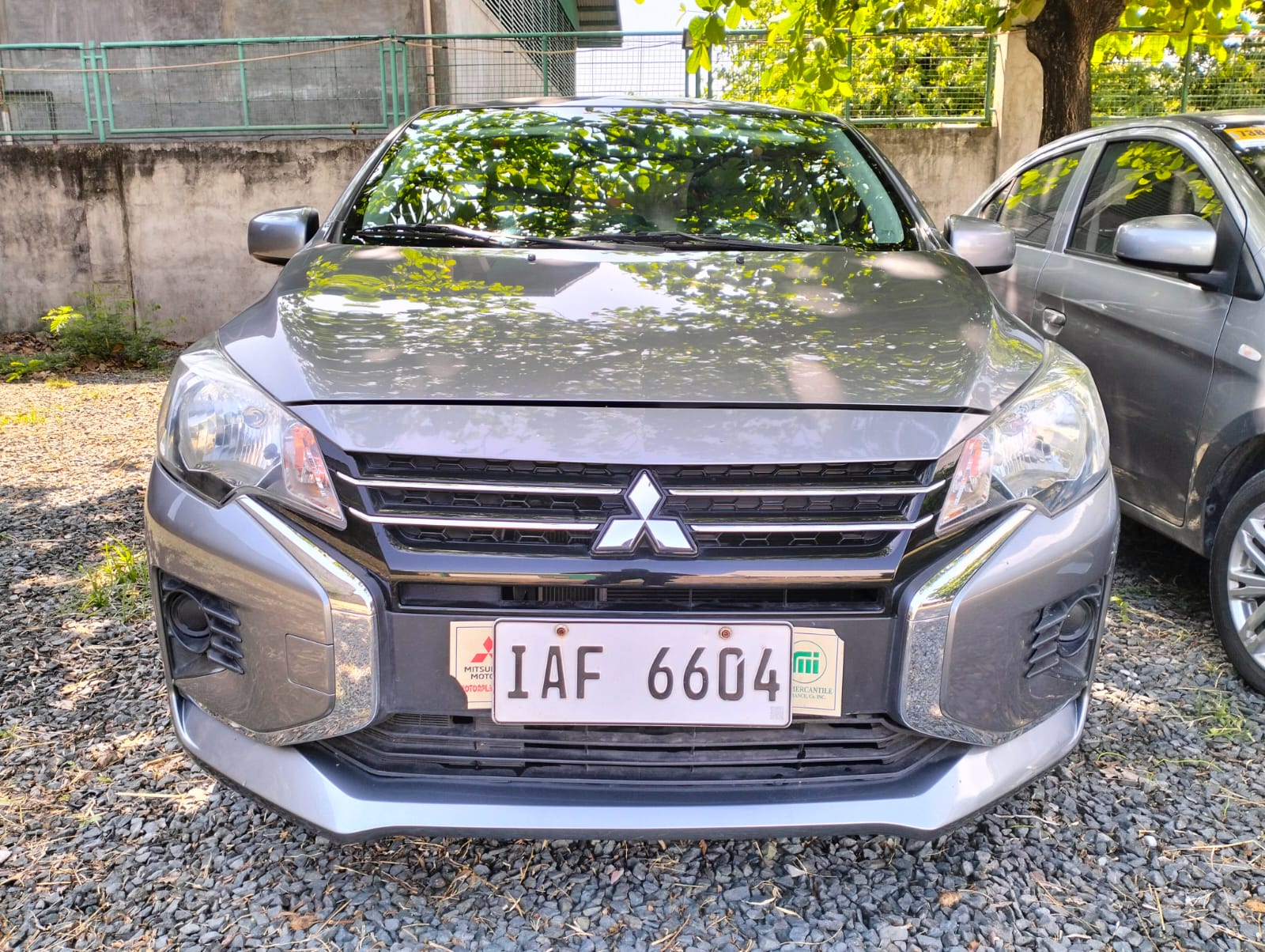
| Mitsubishi Mirage G4 | 2018 GLX, 41,684 km, ₱270,000 | 2024 GLX AT, 46,110 km, ₱430,000 | ₱160,000 (older about 37% lower) | manual vs automatic; mileage nearly equal |
| Mitsubishi Mirage G4 | 2021 GLX 1.2, 64,881 km, ₱320,000 | 2023 GLX 1.2G CVT, 24,221 km, ₱395,000 | ₱75,000 (older about 19% lower) | two model years, about 40,000 km more on the older car |
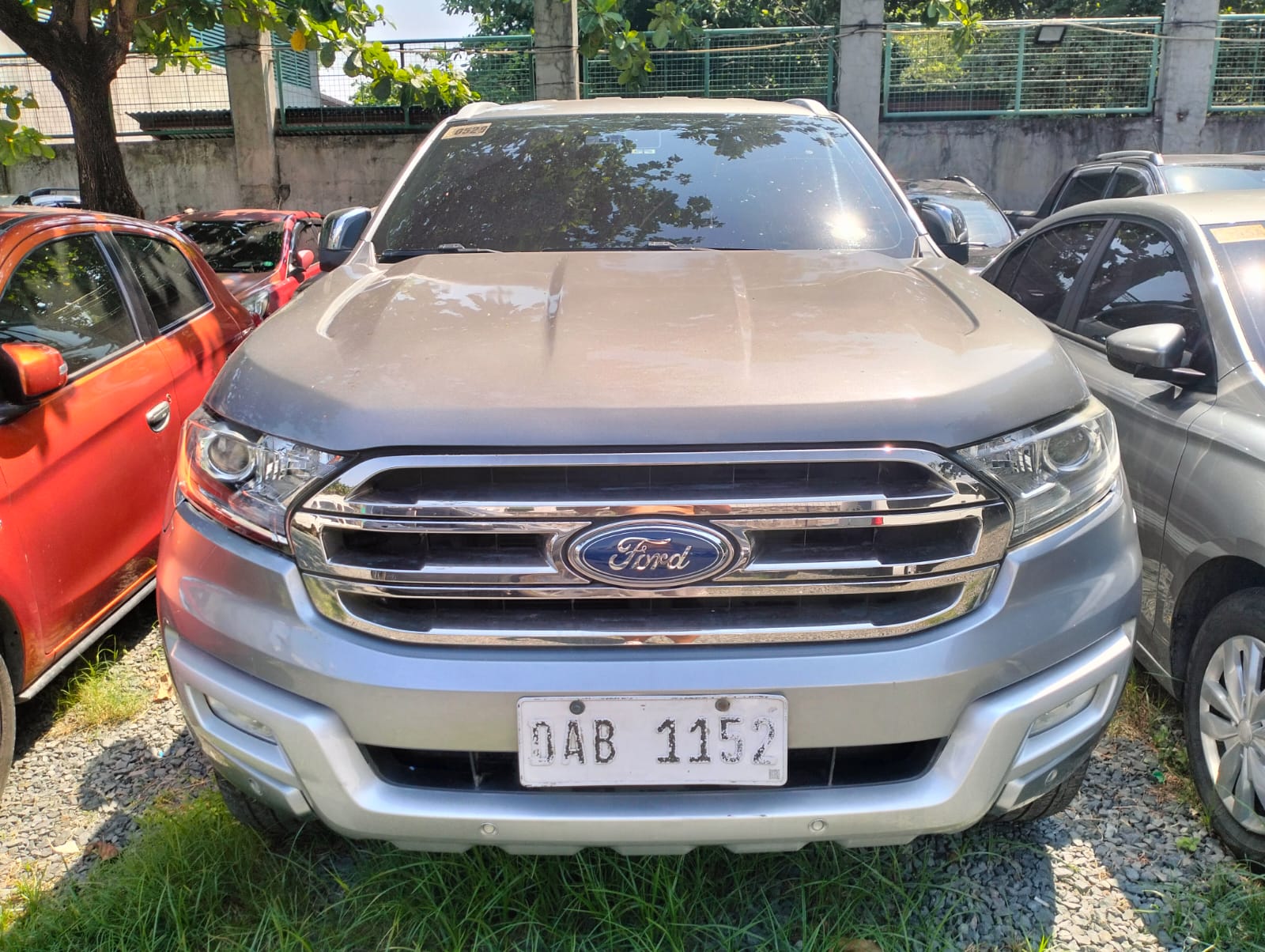
| Ford Everest | 2017 Trend AT, 85,012 km, ₱520,000 | 2022 Titanium AT, 86,480 km, ₱865,000 | ₱345,000 (older about 40% lower) | Trend vs Titanium; mileage nearly equal |
| Hyundai Stargazer | 2024 GL IVT, 38,851 km, ₱570,000 | 2025 GLS AT, 17,023 km, ₱580,000 | ₱10,000 (older about 2% lower) | GL vs GLS, one model year |
Three patterns stand out. The Mirage G4 pair with nearly equal mileage shows about 37% across six model years, very roughly 6% a year on this pair: the gentle middle slope in action. The Stargazer pair shows the used-to-used step from one model year to the next can be as small as ₱10,000; the big first-year drop happened before either car reached us. And the Everest pair shows variant can equal years: with almost identical mileage, a Titanium badge and five model years add ₱345,000. Line up your own pairs across every Vios and Mirage in stock.
Brands and models that hold value in the PH
In the Philippines, Toyota, Mitsubishi and Honda hold value best, because parts are everywhere, every mechanic knows them and the next buyer trusts them without a second thought. Within those brands the volume models hold best of all: Vios, Innova and Hilux; Mirage G4, Xpander and Montero Sport; City and Brio.
Diesel workhorses are their own category. Innova, Everest, Montero Sport, Ranger and Hilux, plus vans like the H100 and L300, are bought for work and family duty, so demand stays strong as they age. Our 2015 Innova 2.5 G Diesel AT still lists at ₱470,000 at eleven model years; a 2017 Everest Trend AT with 85,012 km is ₱520,000.
Three groups typically lose value faster. European luxury badges: a 2018 BMW 520d at ₱1,400,000 is a fraction of its new price. Newer Chinese brands, where resale is still being established rather than the cars being poor: the MG5 runs from ₱295,000 for a 2022 unit to ₱425,000 for a 2025 AT. And discontinued or rare models such as a 2014 Suzuki Kizashi at ₱120,000, where few buyers compete.
Weak resale cuts both ways. If you will keep the car eight years, a fast-depreciating model is the cheapest way to get a lot of car, as long as parts and service are workable. If you will sell in three, stay with the strong-resale brands. Our guide to the most reliable used cars in the Philippines covers which are also cheap to keep.
Mileage vs age
Age sets the floor of a used car's price; mileage and condition decide where above that floor it lands. The Mirage G4 pair above, with near-equal mileage, is almost a pure year effect; two same-year 2019 Ford Rangers on our lot, a Wildtrak with 274,000 km at ₱525,000 and a Raptor with 181,357 km at ₱850,000, show mileage and variant doing the work instead.
A common Philippine rule of thumb for private use is roughly 10,000–15,000 km a year. A unit far above that for its age is priced down and should be; a unit far below it deserves a harder look, because a suspiciously low odometer is a bigger risk than an honest high one. Our guides to high mileage vs old car and odometer tampering signs walk through both.
How to buy at the flat part of the curve
To buy at the flat part of the curve, target a three-to-seven-year-old mainstream model, pay for condition and papers rather than for the model year, and plan to keep the car at least three years.
- Pick a strong-resale brand: Toyota, Mitsubishi, Honda, or a diesel workhorse. You pay a little more going in and get much more back coming out.
- Pick the age band. Three to seven years old means roughly 2019–2023 model years today: our 2019 Vios 1.3 E MT at ₱250,000, 2021 Mirage G4 GLX AT at ₱320,000 and 2023 Vios 1.3 XLE CVT at ₱495,000 all sit on the slope rather than the cliff.
- Choose the variant the next buyer wants. In Metro Manila that usually means an automatic or CVT in a mid variant.
- Pay for papers. A clean OR/CR with no encumbrance is worth more than a lower sticker. Every unit we list is inspected and has its documents verified; OR/CR and transfer documents are released 2–4 weeks after full payment.
- Offer on the facts. Our units are sold as-is, where-is through a private sealed offer no other buyer sees. If mileage or condition justifies a number under the list price, make that offer; we confirm, counter or accept. The steps are on how it works.
- Hold at least three years, then sell before big-ticket wear items come due. Short ownership is where depreciation hurts most.
- Sell smart. Our guide to how much your car is worth explains the pricing, and you can get an offer through our sell your car page.
FAQ: depreciation questions we hear most
How much does a car depreciate per year in the Philippines?
As a rough rule of thumb, a brand-new car in the Philippines loses the most in its first year, commonly quoted somewhere in the 15–25% range, then roughly 8–12% a year through years three to seven, then much less. Mainstream Toyota, Mitsubishi and Honda models sit at the gentler end; luxury and low-demand brands at the steeper end. Actual resale depends on condition, mileage and papers.
Which car brands hold their value best in the Philippines?
Toyota holds value best in the Philippines, followed closely by Mitsubishi and Honda, because parts, mechanics and buyers are everywhere. Diesel workhorses such as the Innova, Fortuner, Everest, Montero Sport, Hilux and Ranger, plus commercial vans like the L300 and H100, also resell strongly. European luxury badges and newer Chinese brands typically lose value faster.
Does mileage or age affect depreciation more?
Age sets the floor: a car's model year decides the price band buyers will even consider. Mileage and condition then decide where in that band it lands. Two cars of the same year can differ by hundreds of thousands of pesos when one has 40,000 km and the other 270,000 km, so compare both numbers and never judge on the year alone.
When is the best age to buy a used car?
Three to seven years old is usually the best age to buy a used car in the Philippines. The first owner has absorbed the steep early drop, the car is still modern and usually within its most reliable years, and it will lose far less per year while you own it. Older than seven can be excellent value when condition and papers check out.
Do diesel cars depreciate slower?
Often, yes, for workhorse diesels. In the Philippines, diesel MPVs, SUVs, pickups and vans such as the Innova, Everest, Montero Sport, Ranger, L300 and H100 are bought for work and family duty, so demand stays strong as they age. A 2015 Innova 2.5 diesel on our lot still lists at ₱470,000. Older European diesel sedans are the exception and fall fast.