
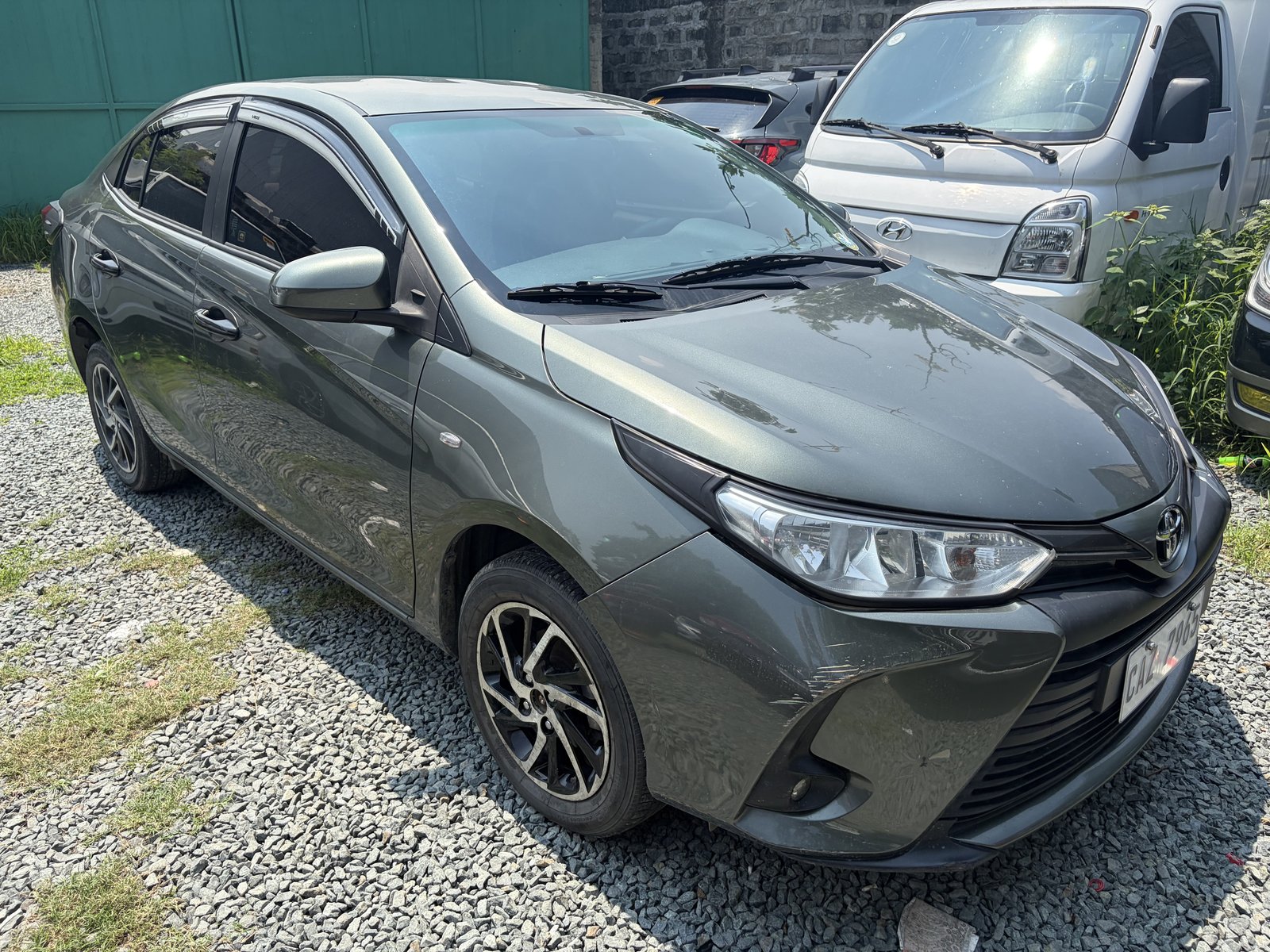
"Magkano ang value ng kotse ko?" has two honest answers: what a listing would say, and what someone will actually hand you. This guide walks through both, from the experience of pricing units on our Parañaque lot every week: what sets a used car's value, which factors move it most, how dealers and auctions reach a number, why the offer sits below the retail price, and how to get a fair offer without weeks of Marketplace messages.
What sets a used car's value
A used car's value in the Philippines is the price at which it clears the market: what similar units are actually selling for, not what sellers are asking. Market value means the price a willing buyer pays a willing seller for a comparable car in comparable condition, today. An asking price is a seller's opening position; a transaction price is what changed hands.
The word that matters is comparable: same model and generation, year within one, same variant and transmission, similar mileage. The badge alone tells you little. On our lot, a 2016 Toyota Vios 1.3 J MT with 129,746 km is listed at ₱235,000, while a 2023 Toyota Vios 1.3 XLE CVT with 25,454 km is listed at ₱495,000. Both are a Vios; the value is not remotely the same. Browse every Vios in stock and you can see the ladder of years and trims yourself.
Value is also a range, not a point. The top is the retail price a dealer lists after reconditioning; the middle is what a careful private buyer pays; the bottom is the wholesale or trade price, what the car fetches when it has to sell this week.
The factors that move it most
Year, mileage and variant set most of a car's value; papers, condition, colour and demand adjust it from there, and one paper problem can wipe out everything else.
| Factor | Raises the value | Lowers the value | Weight |
|---|---|---|---|
| Year model | Newer, within the current generation | Older, or a superseded generation | High |
| Mileage | Low for its age (a rough rule of thumb is under 15,000 km a year) | High for its age, or an odometer that does not match the wear | High |
| Variant and transmission | Higher trim; automatic or CVT for Metro Manila buyers | Base trim; manual, except on work vehicles | Medium to high |
| Papers | OR/CR in your name, registration current, no encumbrance, numbers match | Expired registration, open deed of sale, encumbered CR, missing documents | High; can block the sale |
| Condition | Original paint, straight panels, service records, clean interior | Repaint, accident repair, flood signs, worn interior | High |
| Colour | White, silver, grey, black | Unusual colours on family cars | Low to medium |
| Demand | Vios, Innova, Mirage G4, pickups and vans: always wanted | Discontinued models with thin parts supply; luxury badges with costly upkeep | Medium |
Papers deserve their own sentence because sellers underrate them. A buyer cannot register a car whose CR is still encumbered to a bank, and a car passed around on an open deed of sale may carry a name chain nobody can close. Our OR/CR guide explains which fields a buyer will check against the car.
How dealers and auctions arrive at a number
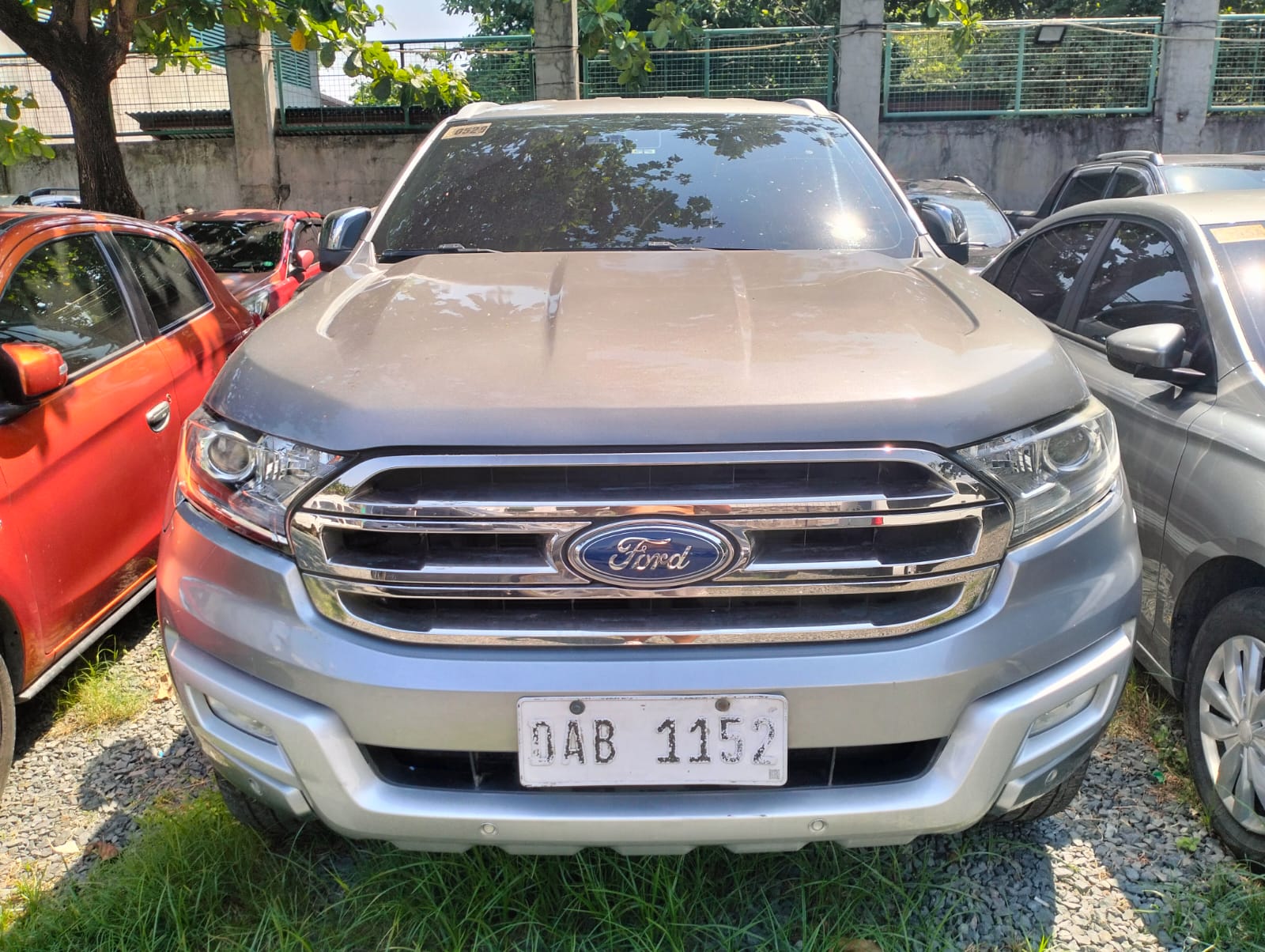
A dealer prices your car by working backwards from what it will sell for, and wholesale auction results tell the trade what a car is worth when it has to sell now. The method is the same on any lot.
- Retail comparables. What the same year, variant and transmission is listed at and, more usefully, what it recently sold for. Our own stock gives us a live read every week.
- The wholesale benchmark. Auction results are the hammer prices that bank-repossessed, fleet and dealer-traded units fetch at regular vehicle auctions. The trade treats them as the floor of the market, because those cars sell as-is to the highest bidder on the day.
- The inspection. Tyres, battery, aircon, paint, leaks, accident and flood signs, and whether the engine and chassis numbers match the CR. Every item that needs fixing comes off the number.
- Paperwork and holding cost. Transfer of ownership, HPG clearance, lapsed registration, and the cost of a car sitting on a lot for weeks before it sells.
- The offer. Retail minus all of the above, minus the dealer's margin.
Private buyers price differently: they compare asking prices on Marketplace and negotiate downward, which is why a private sale can land higher but takes longer and carries more risk for both sides. Our guide to dealer vs private seller looks at that trade-off from the buyer's side.
Retail price vs what you will be offered
The retail price is what a dealer lists the car for after reconditioning and paperwork; the offer you receive is that figure minus the cost and risk of getting it there. The gap is a list of real expenses with a margin on top: reconditioning, documents and penalties, holding time, the problem the inspection missed that surfaces after purchase, and the dealer's reason to buy the car at all.
How wide the gap is depends on how much work the car needs and how fast that model sells. A nearly-new MPV with complete papers needs little and sells fast, so the gap is narrow. A ten-year-old SUV with a repaint and an expired OR needs a lot, and the gap is wide.
Listing prices are not transaction prices either. At RideAgain every unit is sold through a private sealed offer, so the listed price is the starting point and the accepted offer is the real number; how it works explains the flow.
Quick ways to estimate your car's value
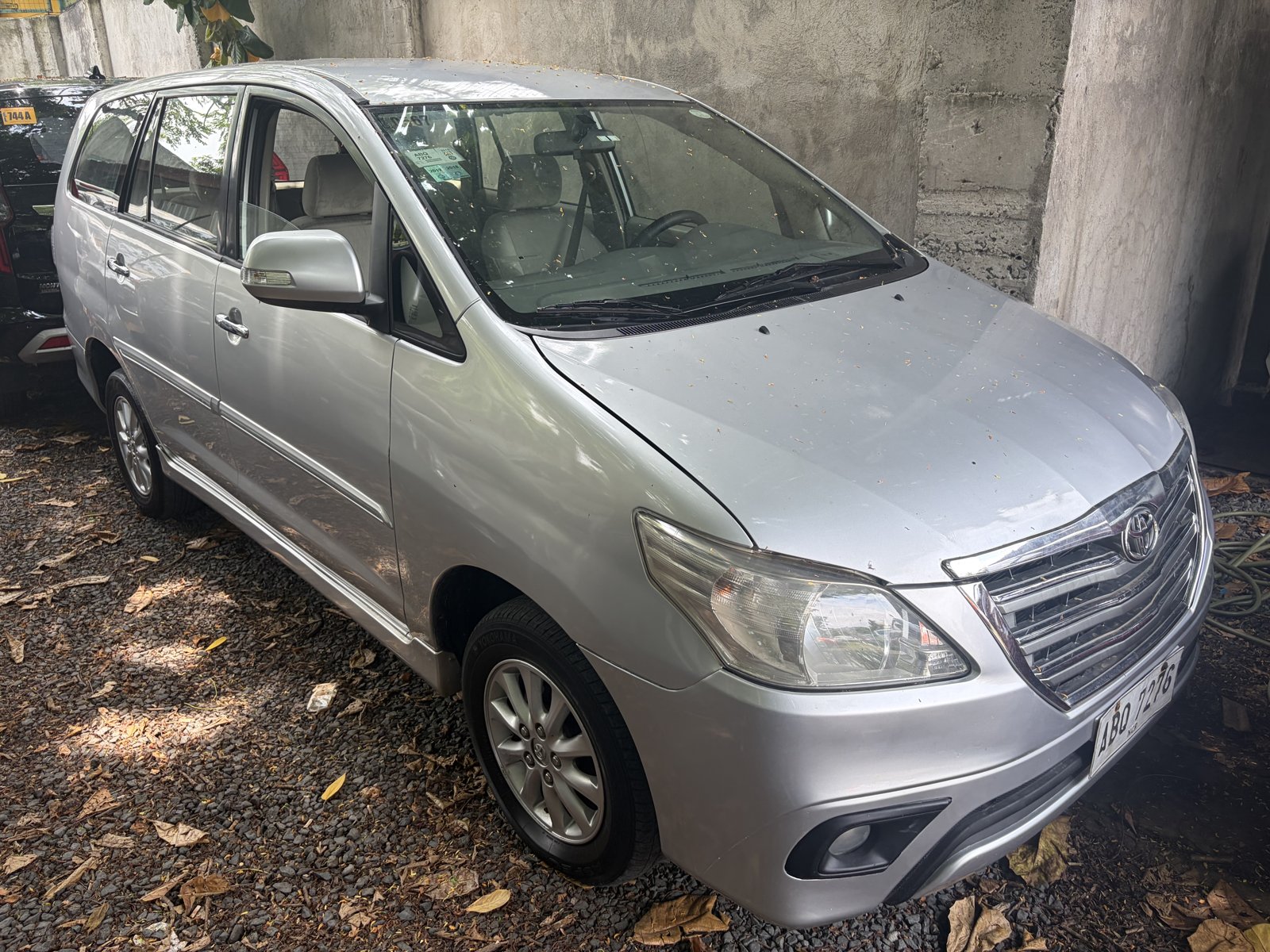
You can get a usable estimate of your car's value in about an hour by triangulating live listings, a depreciation sanity check and one firm dealer offer.
- Pull five to ten listings of the same model, year within one, variant and transmission. Drop the highest and the lowest asking prices.
- Place your car in the pack. Lower mileage, original paint and complete records put you above the middle; a repaint, high mileage or a lapsed OR put you below it.
- Check a dealer's retail price for the same unit. Our stock page is searchable by model, and the listed prices are real October 2026 figures.
- Sanity-check with depreciation. Cars lose the most in their first few years and then flatten out; our guide to used car depreciation explains the curve so you do not price a 2017 unit like a 2022 one.
- Ask one dealer for a firm offer. That is the floor of your range; the cleaned-up retail price is the ceiling.
- If you sell privately, list between the two and expect to land closer to the floor once the buyer has inspected the car.
For where whole segments sit right now, our used car price bands for October 2026 are built from live dealer stock rather than asking prices.
Selling to RideAgain: how it works
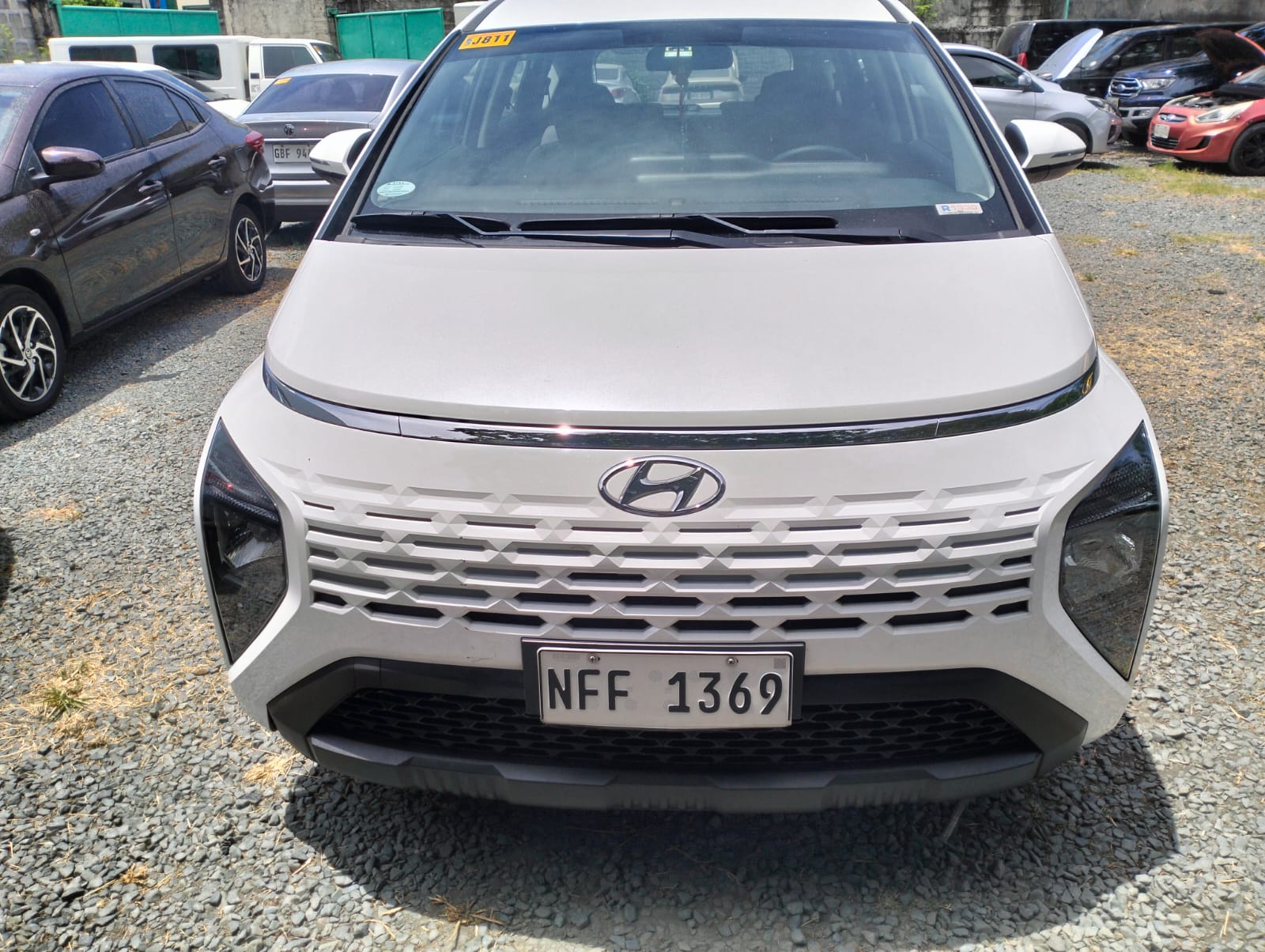
We buy cars at our Parañaque lot, and the process is a short form, an inspection and an offer, with no obligation at any step.
- Tell us about the car on our sell your car page: year, make, model, variant, transmission, mileage, colour, condition, the status of the papers, and photos.
- We price it against current retail and wholesale figures for the same unit, the way this guide describes.
- Bring it in for an inspection by appointment, Monday to Saturday, 9 AM to 6 PM, at Vitalez Compound, Parañaque City, Metro Manila 1700. Call, WhatsApp or Viber +63 931 209 9607 to set a time.
- You get an offer. Accept it, counter it, or walk away with a real number to use elsewhere.
We check what a careful buyer would: that the engine and chassis numbers match the CR, that the CR is not encumbered, body and paint, engine, aircon, and any signs of flood damage. Our offer will sit below the price you see the same car listed for, for the reasons above. What you get in exchange is one buyer, one inspection, and no strangers from Marketplace test-driving your car.
FAQ: what my car is worth
How do I find out how much my car is worth in the Philippines?
Compare five to ten current listings for the same model, year, variant and transmission, drop the extremes, and adjust for your mileage and condition. Then ask a dealer for a firm offer; that offer is the floor of your range and the cleaned-up retail listing price is the ceiling. A car with complete papers in your name sits near the top of that range.
What lowers the value of a used car the most?
Paper problems come first: an expired registration, an encumbered CR, an open deed of sale or mismatched engine and chassis numbers can cut the value sharply or block a sale outright. After that, evidence of flood or accident damage, high mileage for the car's age, a repaint, and a discontinued model with thin parts supply pull the price down the most.
Do dealers pay less than private buyers?
Usually, yes. A dealer's offer is the retail price minus reconditioning, transfer paperwork, holding time and the risk of problems found after purchase, plus a margin. A private buyer may pay more because they take on those costs themselves, but a private sale takes longer, involves strangers test-driving your car, and leaves you handling the transfer.
Is it better to sell my car to a dealer or privately?
Sell to a dealer when you want speed, a single inspection and clean paperwork, or when the car needs work you do not want to do. Sell privately when the car is in excellent shape with complete papers, you have time for viewings, and you can handle the deed of sale and LTO transfer yourself. Many sellers get a dealer offer first and use it as a floor.
How fast can I sell my car to a dealer?
A dealer sale is the fastest route because there is one buyer, one inspection and one decision, and the pace depends mostly on your papers. If the OR/CR is in your name, the registration is current and the CR is not encumbered, it moves quickly. A bank loan still on the car or a missing document is what usually adds days or weeks.