If you have ever squinted at a car's Certificate of Registration and seen the word ENCUMBERED stamped near the top, you have run into one of the most misunderstood details in a Philippine used-car deal. It is not a red flag by itself, but it is a detail you cannot ignore.
This guide explains what an encumbered OR/CR actually means, how a car ends up that way, and the exact steps that keep you safe when the unit you like still has a loan attached to it.
What the encumbrance annotation means
An encumbrance is an annotation on the CR showing that the vehicle is mortgaged to a financing company or bank. In legal terms it is a chattel mortgage: the car is used as security for a loan. The lender is named on the CR as the mortgagee, and that name sits there until the loan is fully paid and the mortgage is formally lifted.
A unit with no such annotation is what buyers call a "clean" title. The registered owner holds the car free of any lender's claim, and the CR does not carry a mortgagee's name. For a fuller walkthrough of the document itself, see our guide to what the OR/CR means.
The key idea: encumbered does not mean the car is stolen or fake. It means someone else still has a financial claim on it. Whether that claim has been settled is the whole question.
How a car ends up encumbered
Most encumbered cars started life as financed purchases. When a buyer takes out an auto loan, the bank or financing company registers a chattel mortgage over the vehicle so it has security if payments stop. That mortgage is what shows up on the CR.
You will typically see encumbrance in three situations:
- An active loan still being paid. The owner is mid-term on their financing and the mortgage is live.
- A recently settled loan. The balance is paid, but the release papers have not yet been filed with the LTO, so the CR still reads encumbered.
- A repossessed or foreclosed unit. The borrower defaulted, the lender took the car back, and it is being sold to recover the balance. The chattel mortgage mechanics behind this are covered in our chattel mortgage explainer.
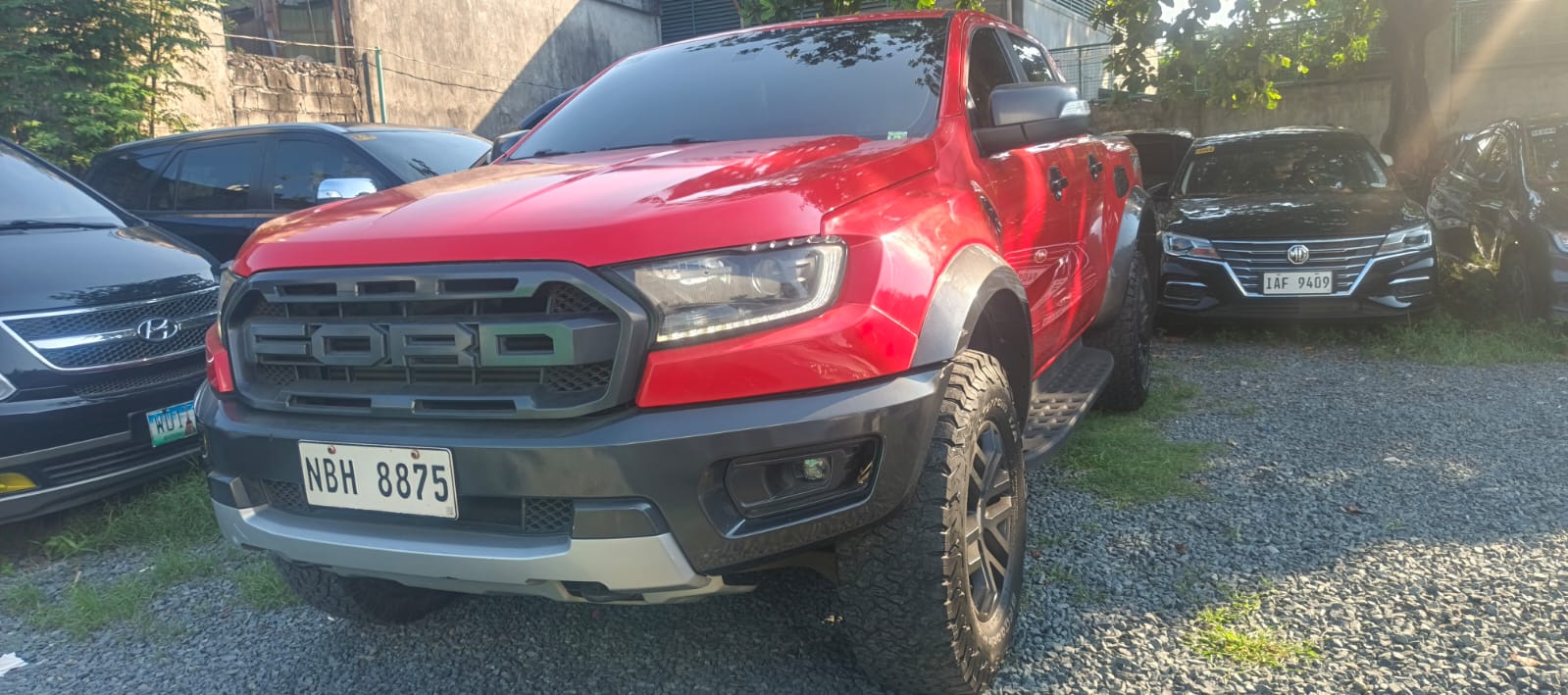
Pickups and mid-size SUVs, which are often bought on financing for business or family use, are among the units most likely to show a loan history.
The danger: buying a car the bank still owns
Here is the trap that catches unwary buyers. You find a good deal, you pay the seller in cash, you get the keys and the CR, and you drive off happy. Months later a financing company contacts you, or worse, comes to recover the vehicle, because the previous owner's loan was never actually paid off.
While a chattel mortgage is live, the lender has a legal claim on the unit. Paying the seller does not extinguish that claim. If the loan is in default, the lender can move to repossess, and the money you handed over is now a dispute between you and a seller who may be hard to find.
This is why an encumbered OR/CR is not something to shrug off. It is a solvable situation, but only if you confirm the loan status before any money moves.
Verifying loan status before paying anything
Confirming whether the loan is settled is straightforward once you know what to ask for. Do not rely on a verbal "bayad na yan" (it's already paid). Ask to see the documents.
- Read the CR carefully. Check whether the encumbrance annotation is still present and whose name is listed as mortgagee.
- Ask for the release of chattel mortgage. If the loan is settled, the lender should have issued this document.
- Ask for the official receipt of full payment from the financing company.
- Verify with the LTO. The vehicle record at the LTO should mirror the CR. You can confirm the encumbrance was cancelled on file, not just claimed. The LTO's public channels are at lto.gov.ph.
If a seller cannot produce the release and the payment receipt, treat the loan as unpaid until proven otherwise. That single habit prevents almost every encumbrance horror story.
Cancellation of mortgage: the paper trail
When a loan is fully paid, the encumbrance does not vanish automatically. Someone has to process the cancellation. The paper trail typically runs like this:
| Step | Who does it | Result |
|---|---|---|
| Loan fully paid | Borrower / current owner | Financing company confirms zero balance |
| Release of chattel mortgage issued | Bank / financing company | Document proving the mortgage is discharged |
| Release filed with the LTO | Owner or representative | Encumbrance annotation lifted from the record |
| Clean CR issued | LTO | New CR with no mortgagee named |
The document you most want to see is the release (or cancellation) of chattel mortgage from the lender, followed by a clean CR from the LTO. When both exist, the encumbrance is genuinely gone. Processing timelines vary by lender and LTO office, so ask where in this chain the unit currently sits.
Encumbrance and repossessed units
Repossessed and bank-surrendered cars almost always start out encumbered, since they came from defaulted loans. That is normal, and such units can be genuine bargains. The difference between a smart buy and a headache is whether the selling dealer has already cleared, or has a defined path to clear, the mortgage before handing the unit over.
A reputable dealer settles the outstanding balance with the lender and secures the release before selling, so what reaches you is a clean transfer. If you want the wider picture on this market, our guide to buying repossessed cars covers where these units come from and how pricing works.
Safe payment sequencing for encumbered cars
The order in which money moves is what protects you. If the encumbrance is not yet cleared, do not pay the full amount to the seller and hope for the best. Safe sequencing looks like this:
- Buy from a party that clears the mortgage first. The cleanest option: the dealer settles the loan and secures the release before the sale closes, so you receive a clean CR.
- Pay the lender directly where possible. If a balance remains, paying the financing company that holds the mortgage, rather than the seller, ensures the release is actually triggered.
- Get everything in writing. Purchase details, who settles the loan, and the timeline for the clean CR should all be documented.
At RideAgain, every unit is sold as-is, where-is, but we handle the OR/CR transfer paperwork ourselves. Payment is in full before release, and documents are released within 2–4 weeks after payment, so you are not left chasing a lender or a previous owner. You can read the full process on our how it works page, and see current financing terms, from 1.40% per month add-on subject to credit approval, on our financing page.
Every car on our lot shows a guide price, and you make a private sealed offer, no public bidding. We confirm, counter, or accept. Selling instead? We also buy cars and handle the paperwork on that side too.
FAQ: Encumbered OR/CR
What does encumbered mean on a car's CR?
Encumbered means the Certificate of Registration carries an annotation that the vehicle is mortgaged to a financing company or bank. The lender holds a chattel mortgage as security for a loan. Until that loan is fully paid and the mortgage is formally cancelled, the CR will name the mortgagee and the car cannot be transferred to a buyer with a clean title.
Can I buy a car with an encumbered OR/CR?
Yes, but only safely once the loan is settled and the encumbrance is cancelled. If the mortgage is still active, the financing company technically has a claim on the unit and can repossess it even after you pay the seller. Insist that the release of chattel mortgage and the updated clean CR are in hand, or that settlement is built into the payment sequence, before money changes hands.
How do I check if the mortgage was cancelled?
Look at the CR itself: a cleared unit no longer shows the encumbrance annotation and the mortgagee's name is lifted. Ask for the lender's Release or Cancellation of Chattel Mortgage and the official receipt of full payment. You can also verify the vehicle record with the LTO and confirm the cancellation was annotated there, since the CR should mirror the LTO's file.
Who processes the cancellation of encumbrance?
The financing company or bank that holds the loan issues the release of chattel mortgage once the balance is fully paid. That release is then filed with the LTO so the encumbrance is lifted and a clean CR is issued. The registered owner or their representative usually walks the papers through the LTO. At RideAgain we handle this paperwork for the units we sell.
Have a specific unit in mind, or want us to confirm its paperwork before you visit? Book an appointment or message us on WhatsApp, and browse the full current stock any time.