
Repossessed cars in the Philippines carry a strong reputation for value, and a lot of confusion along with it. Some buyers think "repo" means damaged or dodgy. Others think it means guaranteed bargain. The truth sits in between, and it depends almost entirely on how carefully you inspect before you commit.
This guide explains where repo units actually come from, why they price below the market, the real risks, and how to protect yourself. We sell every car as-is, where-is, so we would rather you buy with eyes open than regret it later.
What a repossessed car actually is
A repossessed car is a unit a lender or financing company took back after the borrower stopped paying the loan. The car was collateral; when the payments stopped, ownership rights moved back to the financier, who then sells the unit to recover what is owed.
That is the only thing "repo" tells you. It does not tell you the car was abused, flooded, or crashed. Plenty of repo units were surrendered by owners who simply lost income and handed the keys over while the car was still in decent shape. Others sat idle for months. The label describes the paperwork history, not the mechanical condition, and that distinction is the whole game.
Repo units reach the market through bank auctions, in-house dealer disposals, and dealers like us who acquire and recondition them for retail. When you buy through a lot, you get a car you can view, test drive by appointment, and inspect before you pay, rather than a sight-unseen auction gamble.
Why repo units sell below market
The seller's goal explains the price. A financier holding a repossessed car is recovering a bad loan, not chasing the last peso. They want the unit gone quickly to stop storage costs piling up and to close the account. Speed beats squeezing, so the asking price starts lower than a private seller who has all the time in the world.
There is a second reason. In the months before a car is surrendered, maintenance often slips: skipped oil changes, worn tyres left worn, a small fault ignored. Part of the discount is really the cost of catching up on that deferred servicing. A well-priced repo unit already prices in some of that; a cheap one may be handing you the bill.
If you are weighing this against a typical private sale, our guide to buying a second-hand car in the Philippines covers the wider used-market checklist that still applies here.
| Factor | Repossessed unit | Typical private second-hand |
|---|---|---|
| Asking price | Often below market; seller wants a fast recovery | Closer to market; owner can wait for a buyer |
| Maintenance history | Often patchy near the end of the loan | Varies; sometimes fully documented |
| Condition disclosure | As-is, where-is; inspect it yourself | Owner may share more day-to-day detail |
| Paperwork | Needs mortgage cancellation confirmed | Usually clean if loan already settled |
| Negotiation | Room to move on price; motivated seller | Depends on the owner's urgency |
The real risks: condition, history, paperwork
Three things can turn a bargain into a headache. Take each seriously and the risk shrinks fast.
Condition
Idle months are hard on a car. Batteries drain, rubber dries, brakes seize lightly, fluids age. None of that is fatal, but it is money. Budget for a full service the week you take delivery, and treat any unit that cannot start and drive cleanly on your visit with caution.
History
You rarely get a full service book with a repo unit. Compensate by reading the car itself: tyre wear, brake feel, cold-start behaviour, and signs of flood or repaint. A trusted mechanic spots in an hour what a seller may never mention.
Paperwork
This is the one people underestimate. A repossessed car was financed, which means it carried an encumbrance on its OR/CR. That mortgage must be formally cancelled before the title is clean. We cover what that annotation means in detail in our note on the meaning of an encumbered OR/CR.
How as-is-where-is changes your inspection
Every car we sell is as-is, where-is. It is worth being blunt about what that means: you buy the unit in its current condition, at its current location, with no warranty and no promise of repairs. There is no returning it next week because you found a squeak. Whatever the car is, it is yours at handover.
That single phrase should change how you inspect. On a brand-new car, inspection is a formality. On a repo unit sold as-is, inspection is your only protection, and it happens before you offer, not after. If you want the full legal and practical breakdown, read our explainer on the meaning of as-is, where-is.
Come to our Parañaque lot, view the car in daylight, and bring someone who knows engines. Book the slot through our viewing scheduler so the specific unit is ready and started when you arrive.
Checking the OR/CR and mortgage cancellation
For a repossessed unit, the paperwork check is not optional. Confirm the OR/CR is in order and that the previous financing has been formally cancelled, so the title you receive is clean and transferable.
At RideAgain the process is straightforward: payment in full before release, then documents including the OR/CR transfer are processed and released within two to four weeks after payment. We handle that legwork so you are not chasing an LTO annotation on your own.
As market context, expect the usual LTO transfer and registration costs on top of the purchase price — these vary by unit and are typically a few thousand pesos, so treat any figure you read online as an approximate range, not a fixed fee. The official schedule lives at lto.gov.ph.
How sealed offers work on discounted units
We do not run bidding wars. Every car shows a guide price, and you make a private sealed offer that no other buyer sees. We then confirm, counter, or accept. On a discounted repo unit that keeps the process calm: you are negotiating with us on the car's real merits, not being pushed by someone else's number on a screen.
Because the seller behind a repo unit is motivated, there is genuine room to talk. Make a fair offer backed by what your inspection found, and you often land a price that reflects the work the car still needs. Our how it works page walks through the full offer flow step by step.
Financing is available too. Through our lending partners, eligible units can be financed from 1.40% per month add-on rate, subject to credit approval, plus a one-time 6.95% chattel and processing fee on the amount financed. As an illustration only, financing ₱400,000 over 36 months at that add-on rate works out to roughly ₱16,700 per month — final rate and approval depend on your documents. See our financing page for the details, and remember these numbers are examples, not a quote.
Deep-discount units in our current stock
Some of the sharpest value in our lot right now sits in reconditioned units that have already had their asking price cut. These are not auction gambles — they are cars you can view, drive, and inspect before you offer.
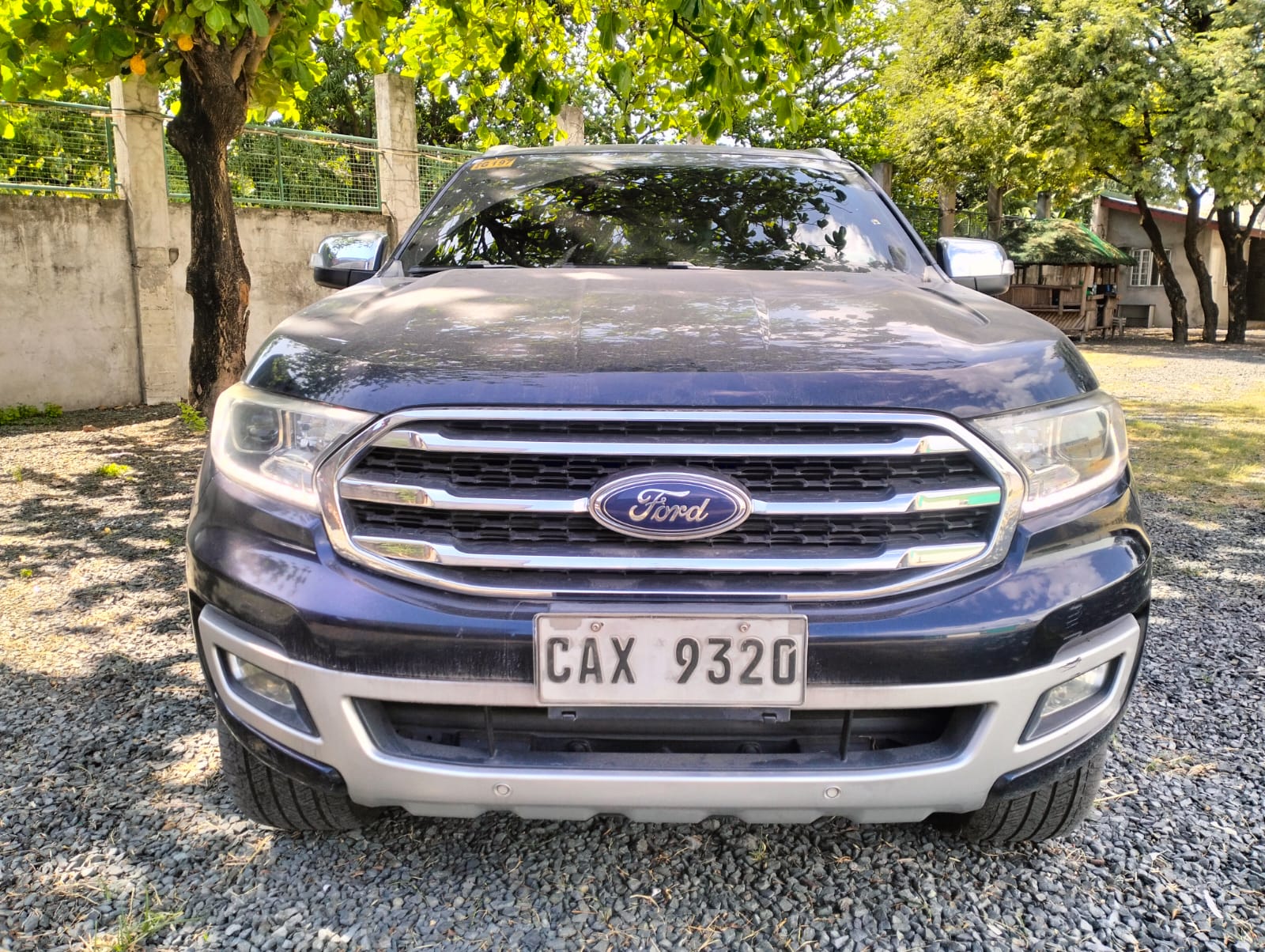
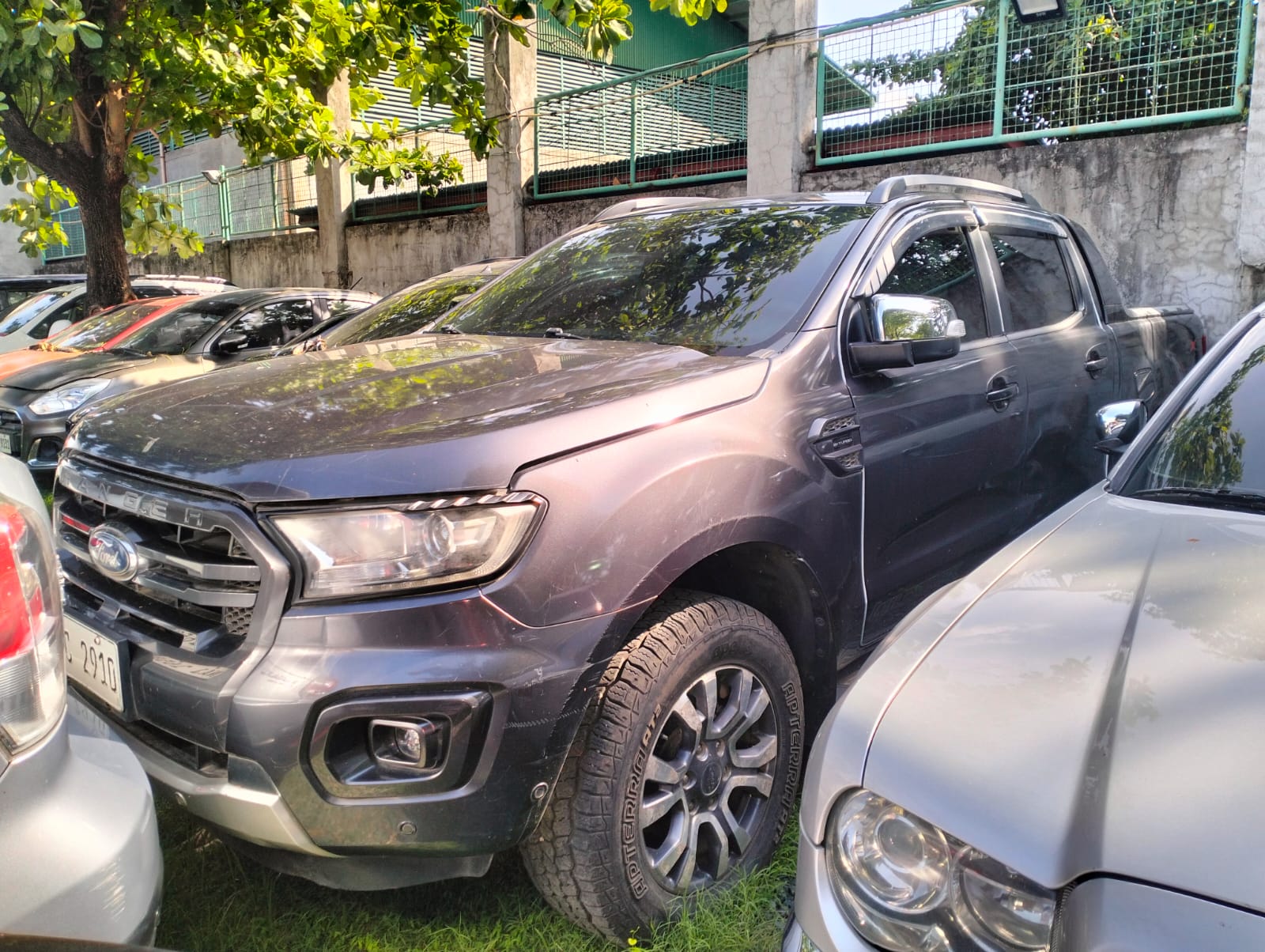
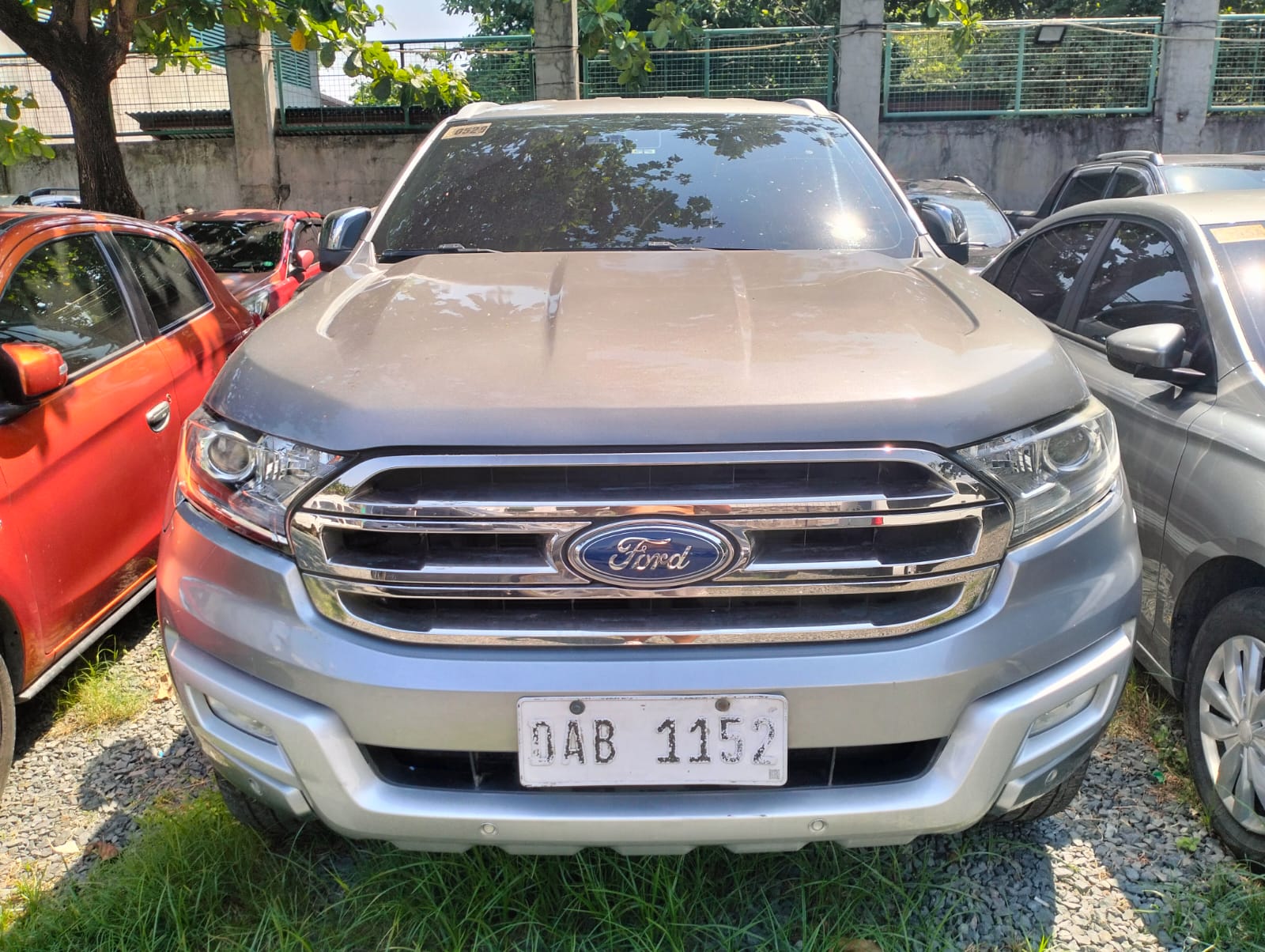
The 2018 Ford Everest Trend AT is a clear example, now listed at ₱335,000 (July 2026) after a substantial markdown. It is a proven diesel family SUV for provincial trips and flood-season ground clearance. If you prefer a workhorse, the 2019 Ford Ranger 2.2L XLS AT pickup shown above sits at ₱320,000 (July 2026).
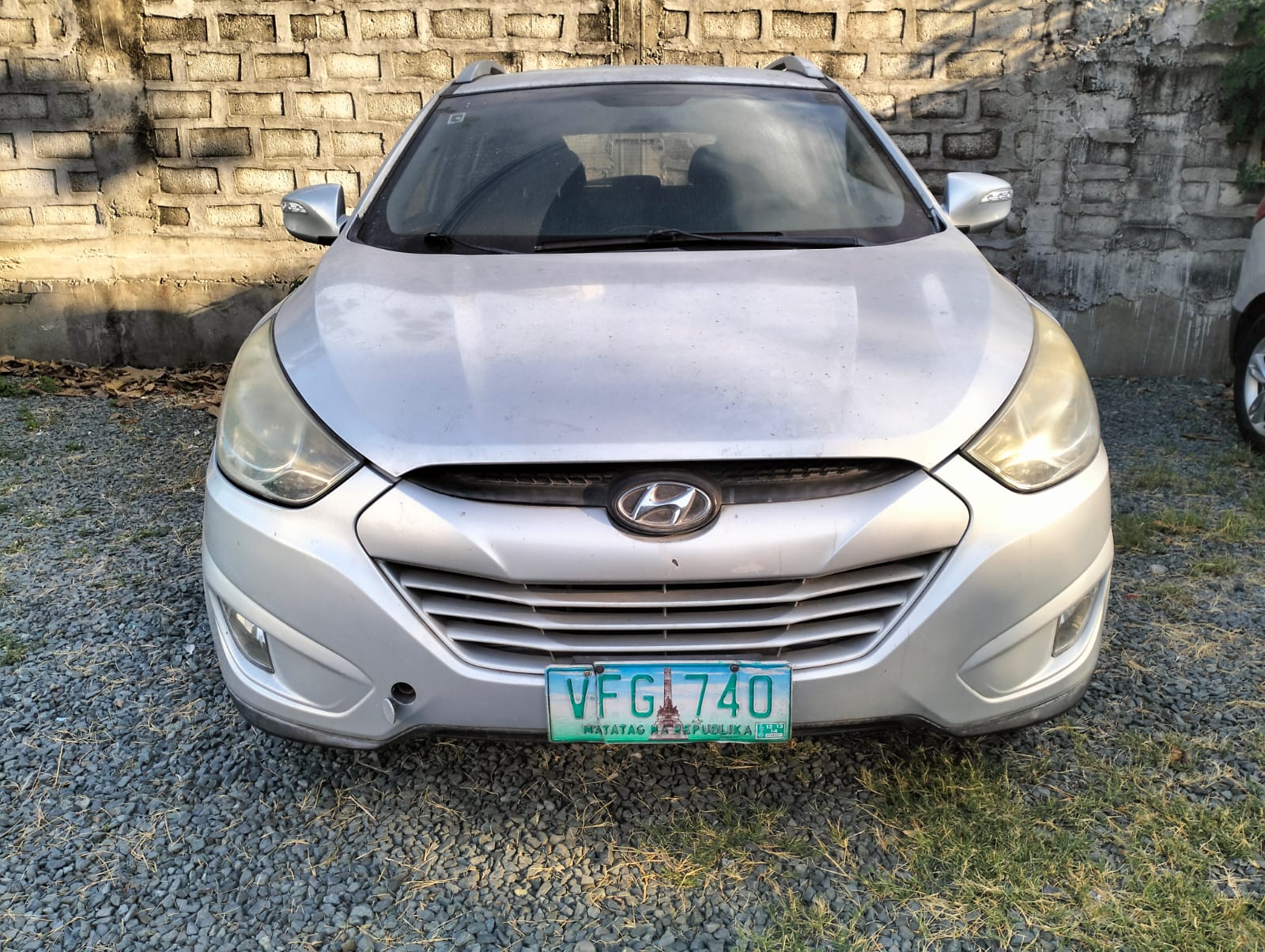
On the entry end, the 2012 Hyundai Tucson CRDi AT at ₱190,000 (July 2026) is one of the most affordable diesel SUVs we hold. Browse the full range on our homepage, filter for what you need — for instance see all Everest units in stock — and book a viewing for anything that catches your eye. If you are on the other side of the deal and want to offload a unit, we also buy cars with a fast, market-based offer.
FAQ: repossessed cars in the Philippines
Are repossessed cars a good deal in the Philippines?
They can be, if you inspect properly. Repossessed units often sell below the usual second-hand asking range because the seller wants a fast recovery, not top peso. The catch is that they are sold as-is, where-is, so the discount is really payment for the risk you take on. A good deal only stays a good deal after a mechanic checks it and the OR/CR is clean.
Why are repossessed cars cheaper?
The lender or dealer holding the unit is recovering an unpaid loan, not chasing the highest price. They price to move stock quickly and to cover storage and paperwork costs. Many repo units also skipped some maintenance during the months before surrender, so part of the lower price reflects deferred servicing you may need to fund yourself.
Can I finance a repossessed car?
Yes. At RideAgain our lending partners can finance eligible pre-owned units from 1.40% per month add-on rate, subject to credit approval, plus a one-time 6.95% chattel and processing fee on the amount financed. Approval depends on your documents and the unit's paperwork. Talk to us before you offer so the numbers are clear from the start.
What does as-is-where-is mean for repossessed units?
As-is, where-is means you buy the car in its current condition, at its current location, with no warranty and no promise of repairs. Whatever the unit has, good and bad, transfers to you at handover. That is exactly why inspection before you make an offer matters more on a repo unit than on almost any other purchase.