You have found a used car you like, the price looks fair, and then you see three words in the ad: as-is, where-is. Most PH sellers use them, few explain them, and plenty of buyers only learn what they mean after money has changed hands.
This guide unpacks the phrase in plain English — what you actually agree to, what still protects you, why these units cost less, and how to inspect one properly before you commit. Every car we list at our Parañaque lot is sold this way, so this is the honest version.
The legal plain-English translation
Break the phrase in two. As-is means you accept the car in its exact present condition — every scratch, every worn bushing, every quirk. No repairs are promised, and no warranty comes with it. Where-is means you take the unit from where it currently sits; moving it and registering it are on you.
Put together, the seller is saying: what you see and test is what you buy. Once you pay and the car is released, its condition is your responsibility. It is the standard basis for almost all second-hand car sales in the country, from private deals to bank repossessions.
Important to be clear about: as-is where-is describes condition, not paperwork. A legitimate seller must still hand over a clean, transferable OR/CR. As-is never means "no documents" — if a seller uses the phrase to wave away missing papers, walk away.
Why repo and dealer units sell as-is
Two big sources of stock in the Philippines are almost always as-is: bank and financing repossessions, and dealer trade-ins.
A repossessed unit is taken back from a borrower who stopped paying. The bank never drove it as an owner would and cannot vouch for how it was maintained, so it sells the car exactly as recovered. If you are new to that world, our guide on buying repossessed cars in the Philippines explains where these units come from and how the pipeline works.
Dealer stock — including everything we carry — is bought in, checked, cleaned, and priced, but not rebuilt to brand-new standard. Reconditioning a car to zero flaws would push the price back up to a level that defeats the point of buying used. So a reputable dealer is transparent instead: here is the condition, here is the price, inspect it yourself.
What you give up, and what you keep
The word "as-is" scares people more than it should. You do give up real things, but you also keep real protections. Knowing which is which keeps you calm and sharp during a viewing.
What you give up
- A warranty. There is no coverage for parts that fail after purchase.
- A return window. Once paid and released, the sale is final — there is no changing your mind next week.
- Free reconditioning. Consumables like tyres, brake pads, filters and wipers are yours to renew.
What you keep
- The right to inspect thoroughly and test drive before paying a single peso.
- The right to clean, transferable documents — the OR/CR must be legitimate and in order.
- The right to walk away at any point before you commit, no reason required.
In short, as-is limits what happens after the sale. It does nothing to limit your power before it — and that is where all your leverage lives.
Pricing: how condition risk is discounted
An as-is car is cheaper because the number already absorbs the condition risk. The seller is not charging you for a warranty, a return guarantee, or a full return-to-showroom refurbishment, so those costs come out of the price. In exchange, you shoulder the small repairs.
The gap can be meaningful. Below is how the same buying decision looks two ways — a fully warrantied unit versus an as-is unit — so you can weigh the trade honestly.
| Aspect | Warranty / brand-new-style unit | As-is where-is unit |
|---|---|---|
| Price | Higher — warranty and reconditioning built in | Lower — condition risk discounted out |
| Post-sale repairs | Often covered for a period | Buyer's responsibility |
| Return / cooling-off | Sometimes offered | None — sale is final |
| Inspection burden | Lighter, but still wise | Essential — your main safeguard |
| Documents (OR/CR) | Must be clean | Must be clean — same standard |
Notice the last row does not change. Condition is negotiable; legitimate paperwork never is. If you want the full paper trail before viewing, our used car documents checklist lists exactly what to ask for.
The inspection that as-is buying demands
Because there is no safety net afterward, your inspection is the safety net. Treat the viewing as the whole negotiation, not a formality. Do not skip steps because the car looks clean — cosmetics are the easiest thing to freshen up.
A practical walk-through
- Cold start. Ask that the engine be cold when you arrive, then start it yourself and listen for knocks and watch for smoke.
- Underneath and under the hood. Look for oil leaks, fresh undercoat hiding rust, and mismatched panel paint that hints at past repairs.
- Test drive on real roads. Feel for pulling, gearbox hesitation, vibration at speed and soft or grabby brakes.
- Numbers match. Confirm the chassis and engine numbers match the OR/CR and the plate.
- Electronics. Aircon cooling, power windows, lights, infotainment and reverse camera — test every switch.
Our used car test drive checklist turns this into a step-by-step routine you can follow on the spot.
Budgeting for immediate repairs after purchase
Smart as-is buyers do not budget only for the sticker price. They set aside a buffer for the "day-one" items every used car tends to need — the small things a previous owner let slide.
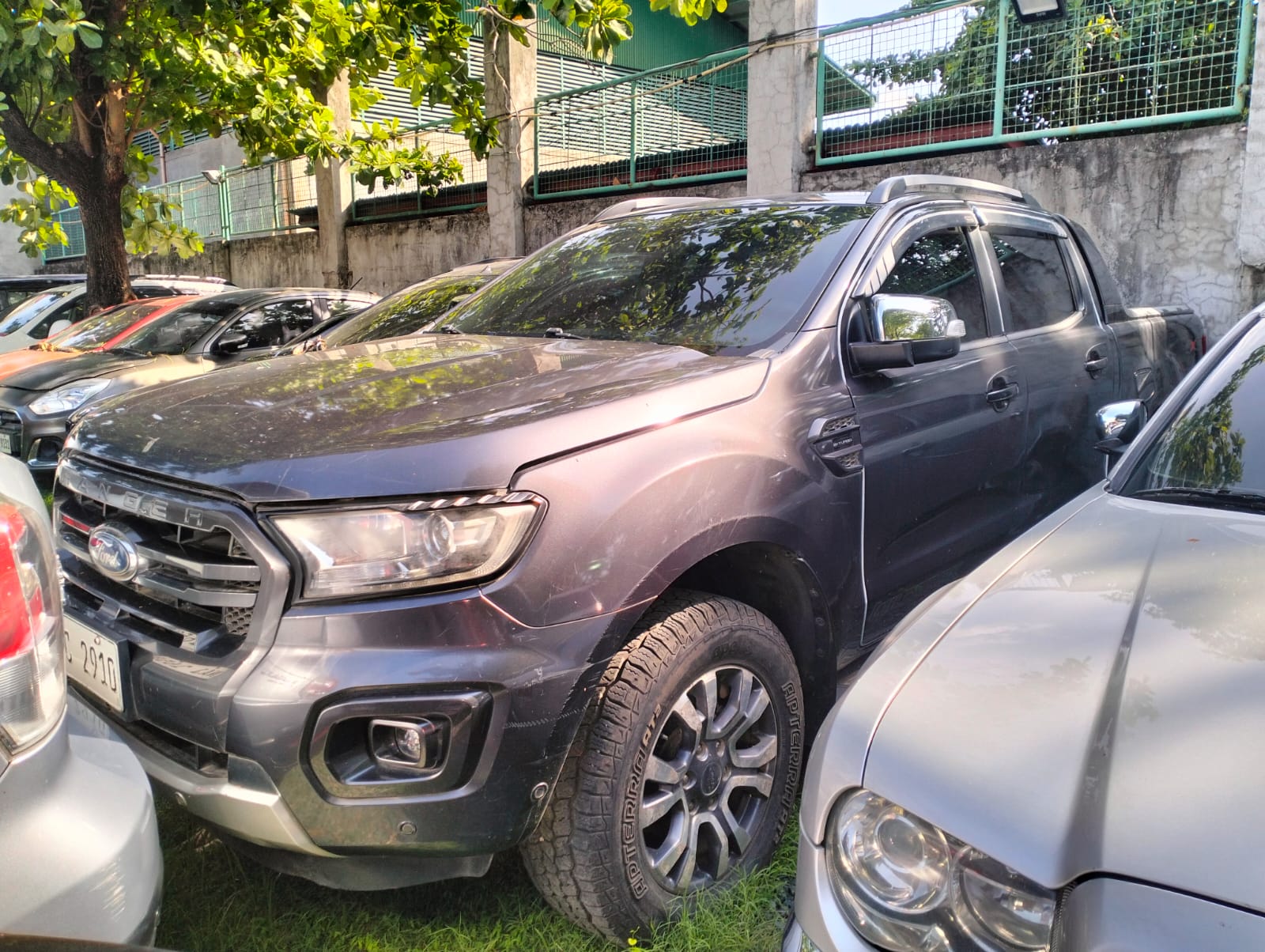
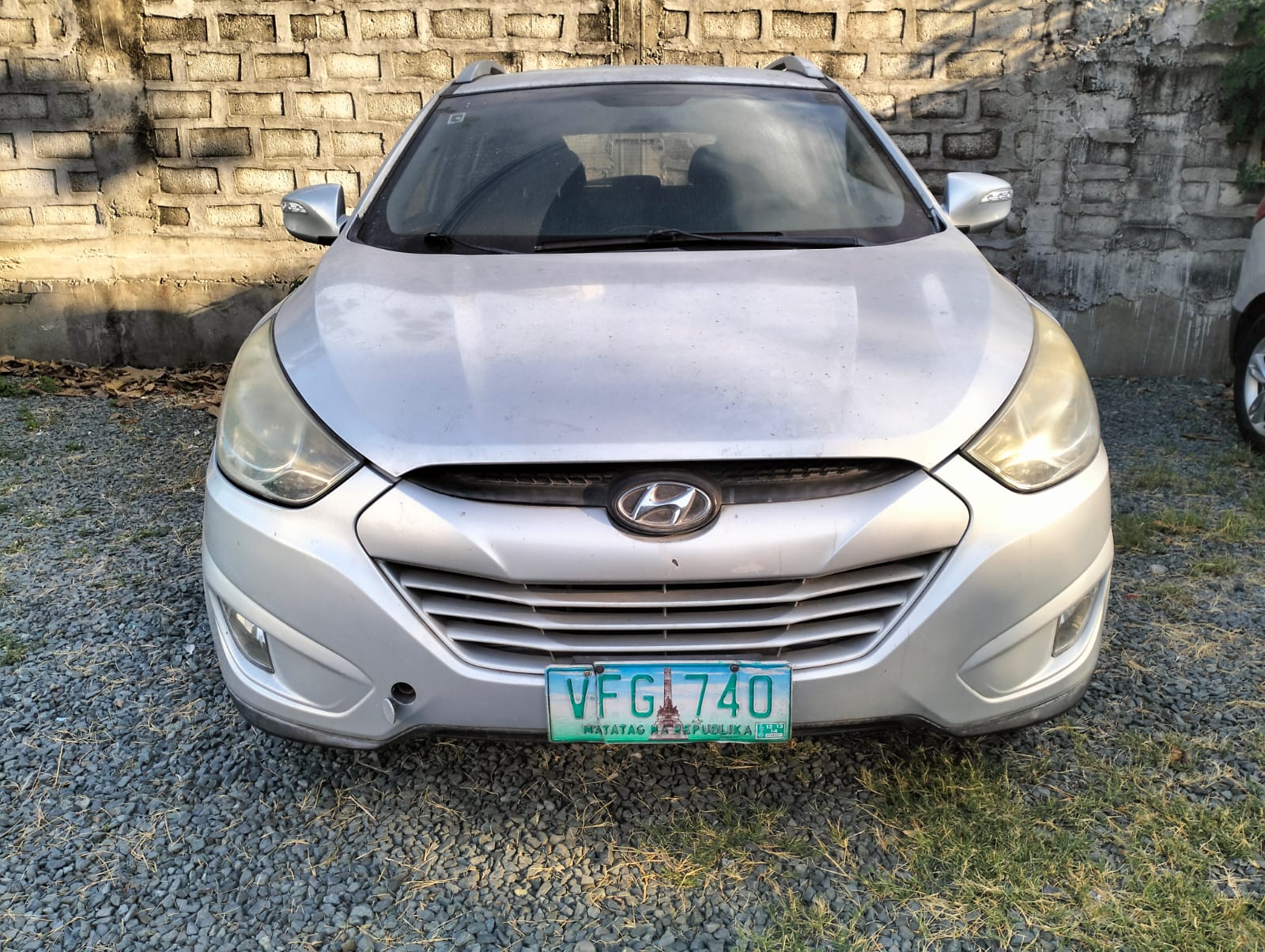
As a rule of thumb, keep roughly 5–10% of the purchase price ready for immediate work. On a ₱598,000 pickup that is around ₱30,000–₱60,000; on a ₱190,000 SUV, closer to ₱10,000–₱19,000. Common first-month spends include:
- Fresh engine oil, filters and a general PMS to reset the maintenance clock.
- Tyres and brake pads if they are near the wear line.
- Battery, belts and wiper blades — cheap parts that strand you when they fail.
- Aircon re-gas or cleaning, which matters a lot in Metro Manila traffic.
Factor this buffer into your offer, not on top of it. If you find yourself needing a loan to cover both car and buffer, our financing options start from 1.40% per month add-on rate (subject to credit approval), with a one-time 6.95% chattel and processing fee on the amount financed. Always plan around the "from" rate, not the best case.
How our sealed-offer model works with as-is units
Here is where our approach differs from a noisy auction. Every car on the site shows a guide price. When you are ready, you make a private sealed offer — it is never shown publicly, and there are no bidding wars against other buyers. We then confirm, counter, or accept.
That structure suits as-is buying well. You inspect first, factor in your repair buffer, and let your offer reflect the real condition you saw — not a number shouted across a crowd. If our how-it-works page is new to you, it walks through each step.
A few house rules keep everything clean: viewing and test drives are by appointment, payment is in full before release, and documents (OR/CR transfer) are released two to four weeks after payment. We are open Monday to Saturday, 9:00 AM to 6:00 PM, at our Parañaque lot. Browse the full range on our homepage, compare every Ford Ranger in stock, or if you would rather sell than buy, get a fast valuation on our sell-your-car page.
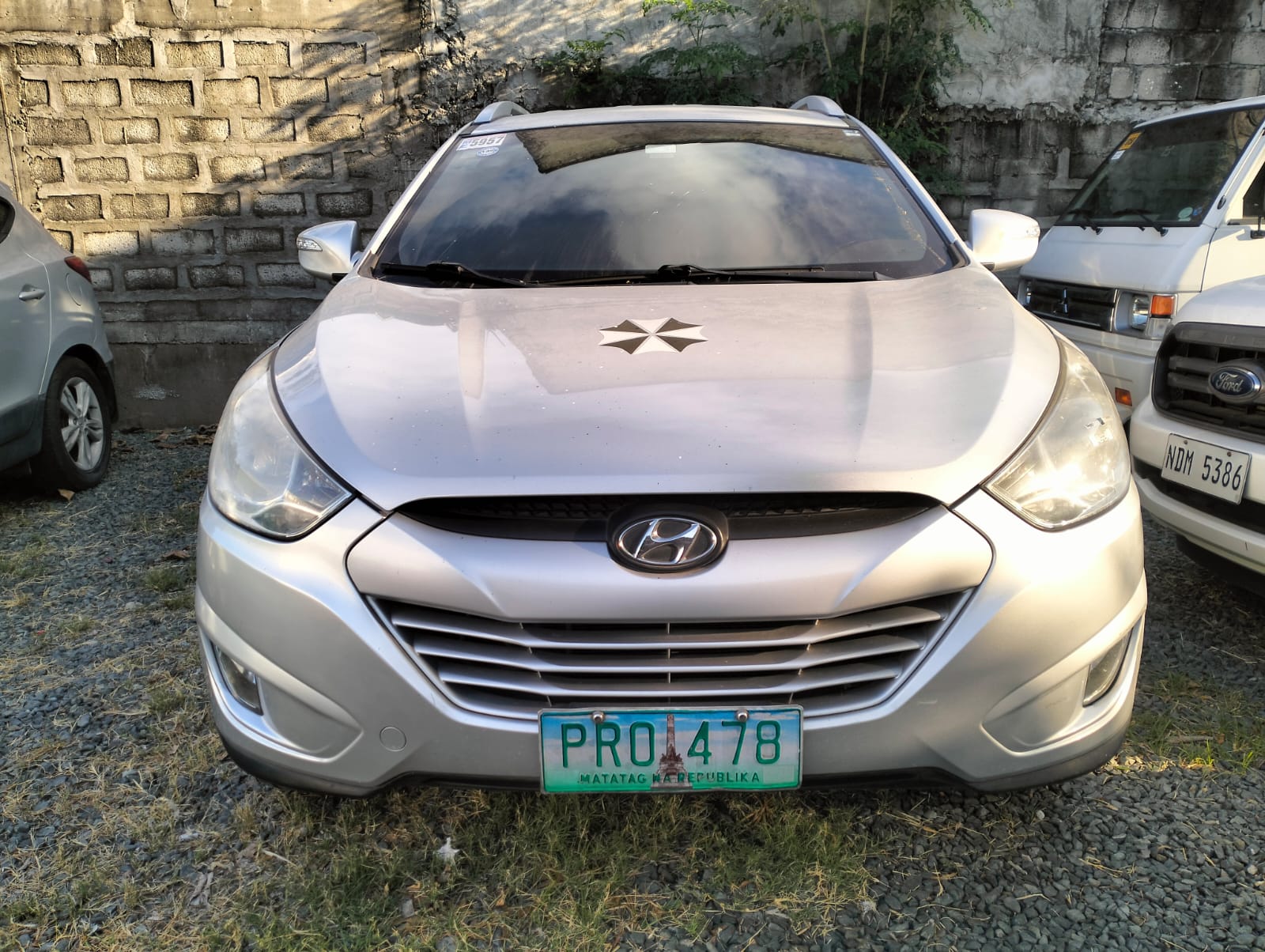
FAQ: as-is where-is, answered
What does as-is-where-is mean?
As-is where-is means you buy the car in its exact present condition, at its present location, with no repairs promised and no warranty attached. "As-is" covers the mechanical and cosmetic state; "where-is" means you take it from where it sits. Whatever the unit has, good or bad, becomes yours once you pay. It is the standard basis for almost all second-hand and repossessed car sales in the Philippines.
Can I return a car bought as-is-where-is?
No. An as-is where-is sale has no return window or buy-back clause once payment is made and the unit is released. That is exactly why the inspection and test drive happen before you commit, not after. At RideAgain you view by appointment, check the car yourself or with a mechanic, and only then make your sealed offer, so nothing is rushed and nothing is hidden.
Why are as-is-where-is cars cheaper?
Because the price already absorbs the condition risk. The seller is not paying for a warranty, reconditioning to showroom standard, or a return guarantee, so those costs are stripped out of the number. You take on the small repairs and consumables yourself. For a careful buyer who inspects well, that trade often means paying tens of thousands less than an equivalent warrantied unit.
How do I protect myself when buying as-is?
Inspect before you pay. Bring a trusted mechanic or book a PMS-style check, test drive on real roads, and verify the OR/CR and chassis and engine numbers match the plate. Budget a repair buffer of roughly 5 to 10 percent of the price for immediate items. Ask questions, take your time, and only make your offer once you are satisfied with what you have seen.
The takeaway is simple: as-is where-is is not a trap, it is a trade. You accept a car's real condition in exchange for a real discount — and your inspection is what makes the deal fair. Come see a unit in daylight, take your time, and buy with your eyes open.