
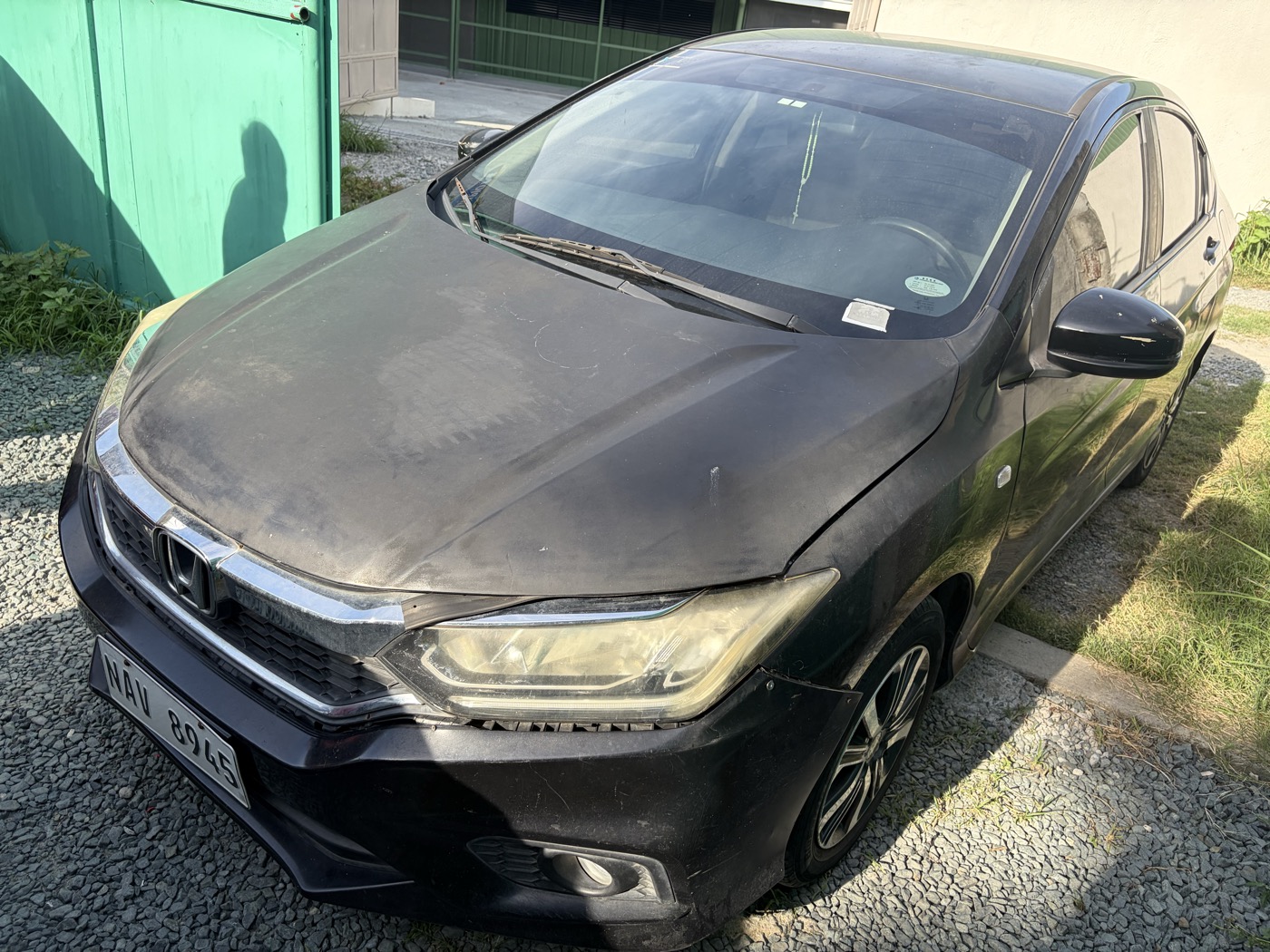
A used car is only as good as its paperwork. In the Philippines you are not just buying a vehicle, you are buying the right to register and transfer it into your name. If the documents do not line up, you can end up paying for a car you cannot legally own, or one still carrying an unpaid loan.
This is our field checklist, the same discipline we apply to every unit before it reaches our lot. Run through it before you release a single peso. If a seller cannot produce these papers, treat that as your answer.
- The non-negotiable document list
- OR/CR: authenticity and encumbrance checks
- Deed of sale: matching every detail
- Seller identity: IDs and authorization letters
- Clearances and verification steps
- Matching chassis and engine numbers to paper
- Payment sequencing that protects you
- How document release works at our lot
- FAQ
The non-negotiable document list
Before you talk price, confirm the seller actually holds the documents that make a legal transfer possible. Missing one of these is a reason to slow down, not to "sort it out later".
| Document | What to check | Red flag |
|---|---|---|
| Official Receipt (OR) | Latest registration paid, LTO details legible | Expired, or "for renewal" with no proof |
| Certificate of Registration (CR) | Owner name, chassis and engine numbers, encumbrance line | "Encumbered/Mortgaged" with no cancellation |
| Deed of sale | Notarized, complete, matches CR owner | Blank, undated, or unsigned |
| Seller's valid ID | Government photo ID, name matches CR | Name does not match, no SPA on file |
| Emission test result | Current, from an accredited centre | None available |
| Insurance (CTPL) | Valid third-party liability coverage | Lapsed or missing |
Everything below explains how to read each item so you are not just collecting paper, you are verifying it. For the full plain-language breakdown, see our guide on what OR/CR means in the Philippines.
OR/CR: authenticity and encumbrance checks
The OR/CR is the core of the deal. The CR names the registered owner and lists the car's chassis and engine numbers; the OR proves registration is paid and current. You want the originals in hand, not photocopies and not "the wife has them at home".
Look closely at the encumbrance field on the CR. If the car was bought on financing, it may read as mortgaged or encumbered. That means a bank or lending company still has a claim on it. You need the cancellation of chattel mortgage before the car can cleanly transfer, otherwise you may be paying for someone else's outstanding loan.
Signs a document may be tampered
- Mismatched fonts, erasures, or correction fluid on the CR.
- Chassis or engine numbers that look re-typed or overwritten.
- An OR date far older than the seller claims the registration to be.
When in doubt, verify the record directly with the LTO. Our walkthrough on how to verify LTO records shows the steps and what a clean result looks like.
Deed of sale: matching every detail
The deed of sale is the document that legally moves ownership from seller to buyer. It has to be notarized to be useful for LTO transfer, and every detail on it must match the CR exactly.
Check that the make, model, year, plate number, chassis number, and engine number on the deed all match the CR and the car itself. Check that the seller's full name matches the registered owner. A single wrong digit can stall your transfer at the LTO.
For a deeper look at how the document is structured and what each clause does, read our guide on the deed of sale for a car in the Philippines.
Seller identity: IDs and authorization letters
The person taking your money must be tied, on paper, to the person named on the CR. Ask for a valid government-issued photo ID: driver's license, passport, PhilID, or UMID. The name has to match the registered owner and the seller in the deed of sale.
If someone is selling on the owner's behalf, ask for a notarized special power of attorney (SPA) naming that person and authorizing the sale. If the owner is a company, ask for the business registration plus a board resolution or authorization letter for whoever signs.
When the names do not line up
If the CR says one name and the seller is someone else with no deed or SPA connecting them, stop. This is the most common way buyers end up with a car they cannot register. A clean chain of documents from the registered owner to you is non-negotiable.
Clearances and verification steps
Beyond the core papers, a few checks protect you from cars that are stolen, "colorum", or carrying hidden liabilities.
- PNP-HPG clearance: a Philippine National Police Highway Patrol Group macro-etching and clearance confirms the car is not flagged as stolen and the numbers are genuine. This is typically required for transfer anyway.
- LTO records match: confirm the plate, chassis, and engine numbers on file match the physical car.
- Emission and CTPL insurance: both should be current so you can register without extra delays.
- Apprehension or alarm check: ask whether there are unsettled traffic apprehensions attached to the plate.
Fees for clearances and transfer vary and are set by the agencies involved, so treat any figure a seller quotes as approximate market context, not a fixed cost. At RideAgain we handle OR/CR transfer as part of the process, which is covered in how it works. Official schedules are published by the LTO.
Matching chassis and engine numbers to paper
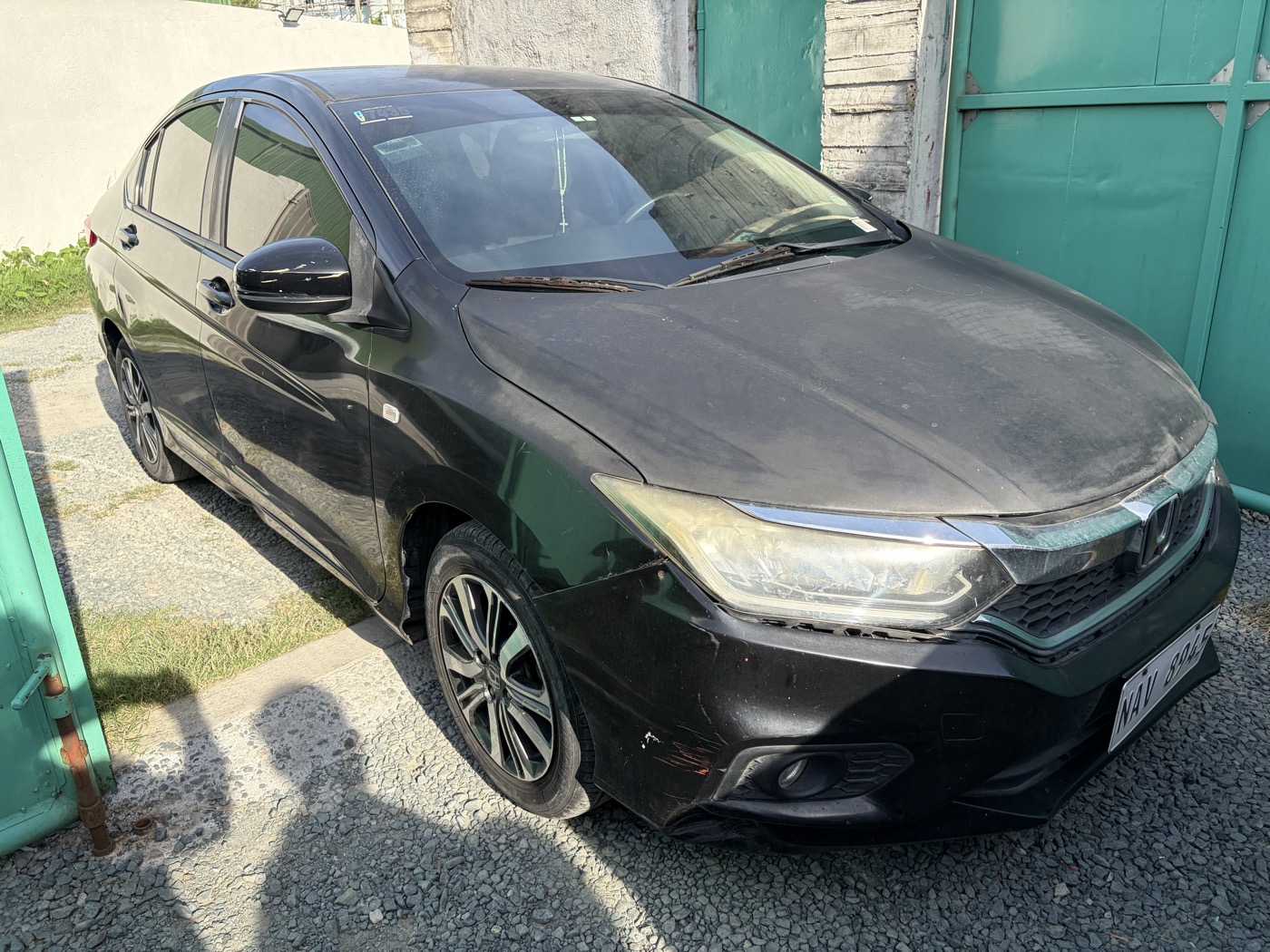
This is the step most private buyers skip, and it is the one that catches the worst problems. The chassis (VIN) and engine numbers printed on the CR must match the numbers physically stamped on the car.
Find the chassis number on the stamped plate, usually on the firewall, under the bonnet, or on a door jamb sticker. Read it against the CR digit by digit. Do the same for the engine number. If they do not match, or if the stamping looks ground down and re-cut, walk away and verify with the PNP-HPG before you consider going further.
On our units this is done before a car is listed, which is why the numbers on the paperwork line up with the metal you inspect at the lot. It is also why we sell every car AS-IS, WHERE-IS with the documents already checked, so what you verify on viewing day is what you get.
Payment sequencing that protects you
Even with perfect documents, the order you do things in matters. The goal is simple: money and papers should change hands together, not on a promise.
- Verify all documents and match every number before agreeing to buy.
- Sign and notarize the deed of sale at the moment of payment.
- Receive the original OR and CR in the same session you release full payment.
- Keep copies of the seller's ID and the signed deed for your own records.
Never pay in full against a "I'll send the CR next week" promise. If you are financing the purchase, your lending partner will usually coordinate the release of documents; our financing page explains how buyer financing works, from 1.40% per month add-on rate, subject to credit approval.
How document release works at our lot
At our Parañaque lot, every car shows a guide price and you make a private sealed offer, never a public bidding war. Once we confirm or agree on a figure, payment is made in full before release, and the OR/CR transfer is completed and released within about 2 to 4 weeks after payment.
Because we verify the OR/CR, deed, IDs, and chassis and engine numbers before a unit is listed, the checklist above is largely done for you by the time you view. You still get to inspect and confirm everything on viewing day, by appointment.
Want to see the paperwork on a specific car in person? Browse the full stock, line up a few Toyota Vios in stock or Honda City units, and book a slot. Selling instead of buying? We also buy cars and handle the paperwork on our side. More tips are on the RideAgain blog.
FAQ: used car documents in the Philippines
What documents should I check when buying a used car?
At minimum: the original OR (Official Receipt) and CR (Certificate of Registration), a notarized deed of sale, the seller's valid government ID, and the latest emission and insurance records. If the car was ever financed, ask for the release of chattel mortgage. Confirm the chassis and engine numbers on the CR match the ones stamped on the car before you hand over any money.
What IDs should the seller present?
Ask for at least one valid government-issued photo ID such as a driver's license, passport, PhilID, or UMID. The name must match the registered owner on the CR and the seller named in the deed of sale. If the seller is a company, request the business registration and a board resolution or authorization letter naming the person signing on its behalf.
What if the seller is not the registered owner?
Do not pay until the paper trail is complete. You need a signed deed of sale from the registered owner to the current seller (or a chain of them), plus a notarized special power of attorney if someone is selling on the owner's behalf. A car with no clear link between the CR name and the person taking your money is the single biggest red flag in a used-car deal.
Should the deed of sale be signed before or after payment?
The safest sequence is to sign the deed of sale and receive the OR/CR at the same moment you release full payment, ideally with the notarization done together. Never pay in full against a promise to hand over documents later, and never sign a blank or open-dated deed. At our Parañaque lot we align payment and paperwork so neither side is exposed.