

A used car in the Philippines is only as good as its paperwork. A clean-looking Ford Everest with fresh tint and a shiny engine bay can still carry an LTO alarm, an unpaid encumbrance, or a chassis number that does not match its Certificate of Registration.
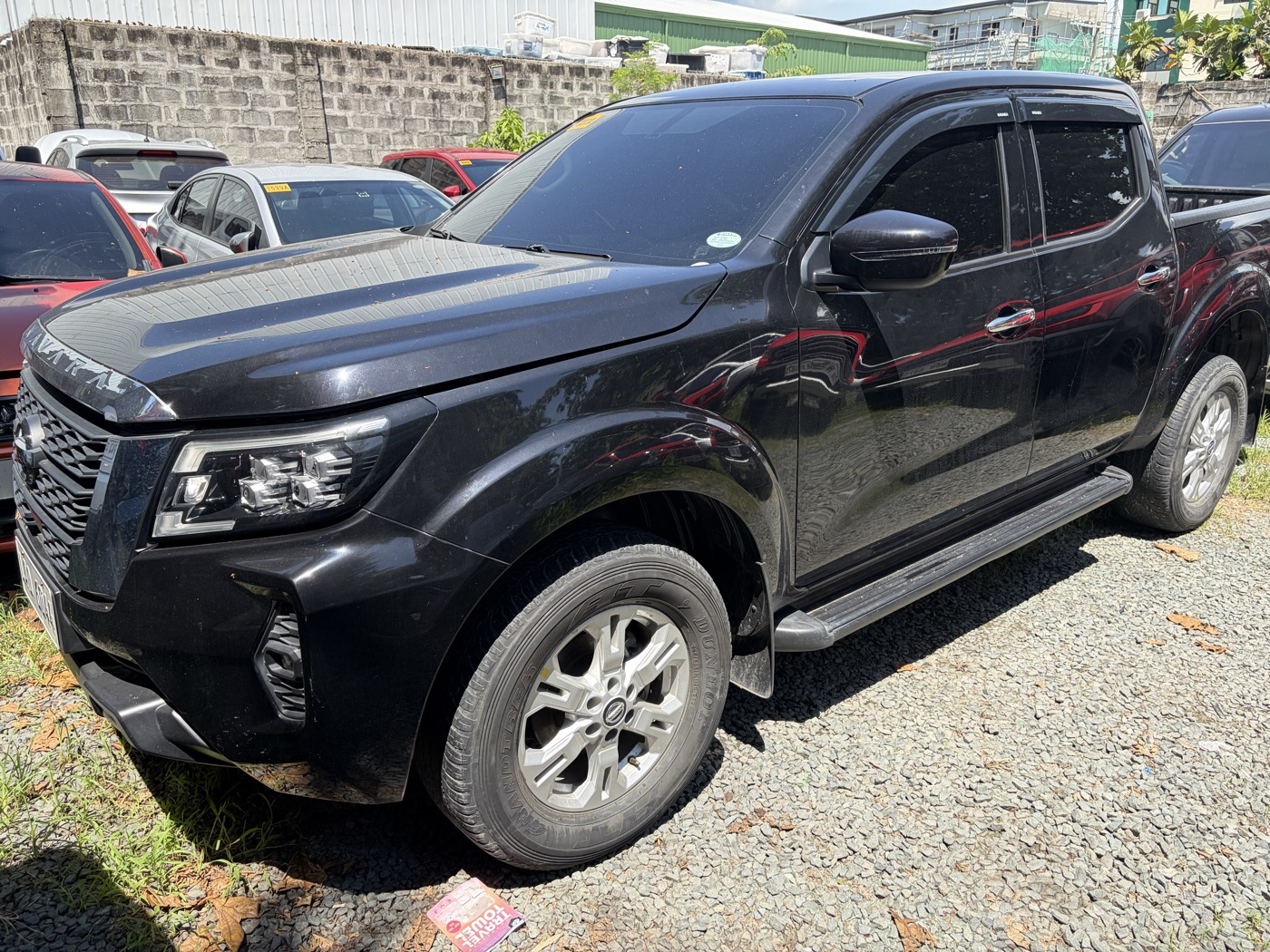
Before you hand over a single peso, you need to verify the car's records with the LTO and, ideally, the PNP-HPG. This guide walks you through exactly how we do it, using a real unit from our lot as the running example.
- Why paper checks alone aren't enough
- Using the LTO SMS and online verification options
- Matching plate, chassis and engine numbers physically
- Reading alarm status and apprehension records
- PNP-HPG clearance as a deeper check
- Red flags that mean walk away
- How we verify units before they reach our lot
- FAQ
Why paper checks alone aren't enough
Most first-time buyers stop at "the OR/CR looks legit." That is a mistake. A document can be genuine but stale, or genuine but attached to a different car entirely.
The OR (Official Receipt) and CR (Certificate of Registration) tell you what the LTO's records should say. Verifying LTO records means confirming that those papers, the physical car, and the live LTO database all agree. If you are still shaky on what each document means, read our plain-language explainer on what OR/CR means in the Philippines first.
Three things can be true at once and still spell trouble: the seller is friendly, the price is fair, and the car is not legally clean. Sellers of problem units count on you feeling rushed. Slow down and verify.
Using the LTO SMS and online verification options
The quickest first check is the LTO text service. From any mobile, message LTO followed by the plate number or MV file number and send it to 2600 (standard SMS rates apply). You should get back the make, plate, and registration status of the unit on file.
This confirms two things fast: that the plate actually exists in the system, and that the make it returns matches the car in front of you. If you text the plate on a Ford Everest and the reply describes a motorcycle or a sedan, stop right there.
The LTMS online portal
For a fuller record, the LTO's online system (the LTMS portal at lto.gov.ph) lets registered users check registration details and renewal status. Availability and features change from time to time, so treat the online portal as a supplement to, not a replacement for, seeing the car in person.

Matching plate, chassis and engine numbers physically
This is the step amateurs skip and pros never do. Every car carries a stamped chassis number (VIN) and engine number. Both must match, character for character, what is printed on the CR.
On most units the chassis stamping sits on the firewall, the strut tower, or under a flap in the front passenger footwell; the engine number is stamped on the block. Wipe away grime, use a flashlight, and read slowly.
- Compare every character against the CR. A single wrong digit is enough reason to pause.
- Look at the stamping itself. Factory stampings are even and clean. Filed-down, re-punched, ground, or freshly repainted numbers are a warning.
- Check the plate and the CR agree, then check both agree with the LTO text reply you already got.
When all four sources line up — physical stampings, plate, CR, and the LTO database — you have a car whose identity you can trust. This same discipline belongs in your wider used-car documents checklist for every viewing.
Reading alarm status and apprehension records
An "alarm" in LTO terms is a hold flag on a unit. It can be raised for a reported loss or theft, an unsettled encumbrance (the car is still mortgaged to a bank or financing company), or a court order. A car with an active alarm cannot be cleanly transferred to your name.
Apprehension records are separate: unpaid traffic violations tied to the plate or the registered owner. These will not stop a sale outright, but they can hold up registration renewal until settled, and you do not want to inherit someone else's fines.
The "encumbrance" trap
Watch the CR for the word "ENCUMBERED" or a mortgagee's name. That means a lender still has a claim on the car. Until it is formally cancelled at the LTO, the unit is not fully the seller's to sell.
PNP-HPG clearance as a deeper check
For total peace of mind, especially on higher-value SUVs and pickups, get a PNP Highway Patrol Group (HPG) clearance. At an HPG office they perform macro-etching on the chassis and engine numbers and check them against the national stolen-vehicle database.
Macro-etching can reveal a number that was ground off and re-stamped even when it looks fine to the naked eye. It is the single most reliable way to catch a cloned or tampered unit. If a seller flatly refuses to join an HPG check, that refusal tells you everything.
| Check | Where / how | What "clean" looks like | Red flag |
|---|---|---|---|
| Plate exists & matches | Text LTO plate to 2600 | Reply shows same make/model | No reply, or wrong vehicle type |
| Registration current | LTO SMS / LTMS portal | Active, not expired | Long-lapsed or "for verification" |
| Chassis & engine number | Read stampings vs CR | Every character matches, clean stamp | Mismatch, filed or re-punched |
| Alarm / encumbrance | CR wording + LTO check | No hold, no mortgagee | "Encumbered", alarm flag |
| Not stolen / cloned | PNP-HPG clearance | Passes macro-etching | Seller refuses HPG check |
Red flags that mean walk away
Some issues are worth negotiating over. Others mean you close the browser tab and move on. Treat these as hard stops until fully explained and verified:
- Chassis or engine number that does not match the CR, or shows signs of tampering.
- A seller who cannot show the original CR and OR, only photocopies.
- Reluctance to meet at an LTO or HPG office, or to let you text the plate.
- A price that is far below the typical asking range for that model and year — a classic lure for cloned or "kambal" plate units.
- Name on the CR that is not the seller's, with no proper deed of sale chain.
A tampered odometer often travels with tampered paperwork, so it is worth learning the signs of odometer tampering too. When several small things feel off at once, trust the pattern.
How we verify units before they reach our lot
At our Parañaque lot, no car goes on display until its identity checks out. We match chassis and engine stampings to the CR, confirm registration status, and screen for alarms and encumbrances before we ever publish a guide price.
Every unit is sold as-is, where-is, and we are upfront about condition — but the legal identity of the car is never a grey area with us. That is the difference between buying from a dealer and gambling on an anonymous online seller.
You are still welcome to do your own checks. Come see the car by appointment, text the plate yourself, and read the papers with your own eyes. When you are ready to buy, you make a private sealed offer — no bidding wars, no public price haggling — and we confirm, counter, or accept. Financing is available from lending partners from 1.40% per month add-on rate, subject to credit approval; see the details on our financing page.
Browse the full range on the RideAgain homepage, see every Ford Everest in stock, or if you have a car to move on, we also buy cars with the paperwork handled for you.
FAQ: Verifying a car's LTO records
How do I check a car's records with the LTO?
Use the LTO text service: message LTO followed by the plate or MV file number to 2600 (standard SMS rates apply), and you should get back the make, plate and registration status. For a fuller picture, create an account on the LTMS online portal at lto.gov.ph. Always cross-check whatever comes back against the physical OR/CR the seller hands you.
How do I know if a car has an alarm or is stolen?
An LTO alarm is a hold flag placed on a unit, often for a reported loss, unpaid encumbrance or a court order. The safest confirmation is a PNP-HPG (Highway Patrol Group) macro-etching and clearance, where they check the chassis and engine stampings against the stolen-vehicle database. If a seller resists an HPG check, treat that as a serious red flag.
How do I match the chassis number to the OR/CR?
Read the chassis (VIN) and engine numbers stamped on the car itself, then compare every character to what is printed on the Certificate of Registration. The stamped plate should look factory-neat, not filed, re-punched or repainted. Even one mismatched digit means stop and verify with the LTO before any money changes hands.
What is a cloned or 'kambal' plate vehicle?
A cloned or kambal (twin) plate car wears the plate and identity of a legitimately registered unit, so its papers look clean on a casual check. It is usually a stolen or smuggled vehicle disguised to pass as legal. You catch it by matching the chassis and engine stampings to the CR and confirming through the LTO and PNP-HPG that only one car carries that identity.