
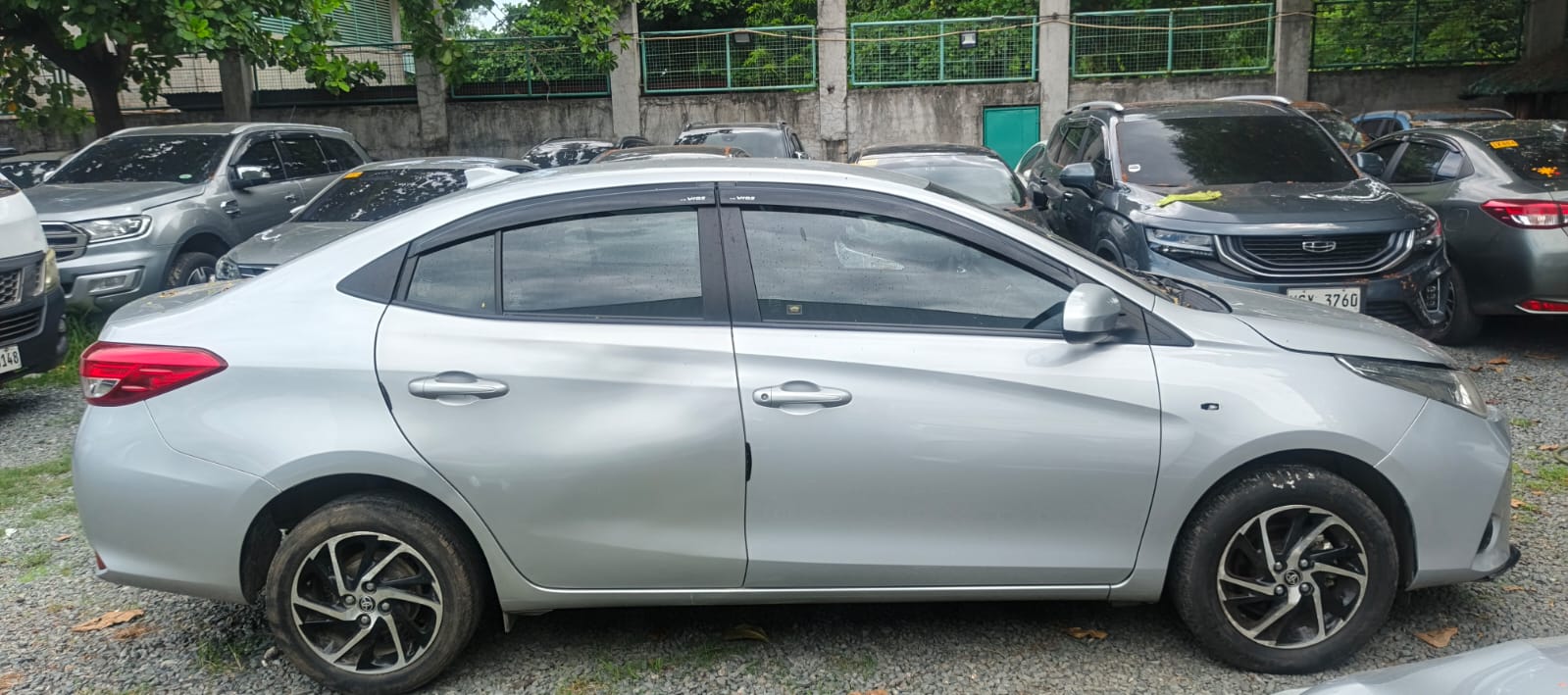
Buying a second hand car in the Philippines can save you hundreds of thousands of pesos versus brand new — but only if you go in with a plan. A used unit that looks clean can still hide flood damage, an unpaid loan, or papers that will not transfer. This guide walks you through the whole process, step by step, in plain terms.
We do this every day at our Parañaque lot, so the advice below is exactly what we would tell a friend. Follow the six steps, watch for the scams at the end, and you will buy with confidence.
- Step 1: Set a real budget, not just a price
- Step 2: Shortlist models that fit your use
- Step 3: Inspect and test drive properly
- Step 4: Verify papers before any money moves
- Step 5: Negotiate — or skip haggling with a sealed offer
- Step 6: Payment, release and transfer of ownership
- Common scams and how to dodge them
- Where our Parañaque lot fits in your search
- FAQ
Step 1: Set a real budget, not just a price
The sticker price is only part of what a car costs you. Before you shortlist anything, decide how much you can spend all-in — purchase price plus the money it takes to put the car on the road and keep it there.
Budget for these, on top of the unit price:
- Transfer of ownership — LTO fees and processing to move the OR/CR to your name (typically a few thousand pesos as market context; ask your dealer for the exact figure).
- Insurance — at minimum the compulsory third-party liability (CTPL); comprehensive is worth it for a newer unit.
- First maintenance — a change of oil, filters, tyres or brake pads soon after purchase is normal on a used car.
- Buffer — keep 5–10% aside for anything the inspection missed.
If you are financing, the price you can afford is really about the monthly amortisation you can carry. Our lending partners start from 1.40% per month add-on (subject to credit approval), plus a one-time 6.95% chattel and processing fee on the amount financed. As an illustrative example only: on ₱500,000 financed over 60 months at 1.40% add-on, the monthly works out to roughly (500,000 + 500,000 × 0.014 × 60) ÷ 60 ≈ ₱15,333 — before the one-time fee. The final rate is always subject to credit approval. If terms like add-on versus effective rate confuse you, read our explainer on add-on vs effective interest rates before you sign anything, and see our financing page for the current terms.
Step 2: Shortlist models that fit your use
Match the car to how you actually drive, not to what looks good in the ad. Think about your daily route, passengers, and where you live.
- Pure city commute, tight parking: a compact sedan or hatchback like a Toyota Vios or Mitsubishi Mirage G4 sips fuel and squeezes into any slot.
- Family of five or six: a 7-seater MPV such as the Hyundai Stargazer or a Nissan Livina gives you the extra row without SUV running costs.
- Provincial trips or flood-prone streets: higher ground clearance from an SUV or pickup earns its keep during rainy season.
Parts availability matters in the Philippines. Popular nameplates are cheaper and faster to maintain because every casa and talyer stocks the parts. That is a big reason the Vios, Mirage and Stargazer stay easy to own and easy to resell.
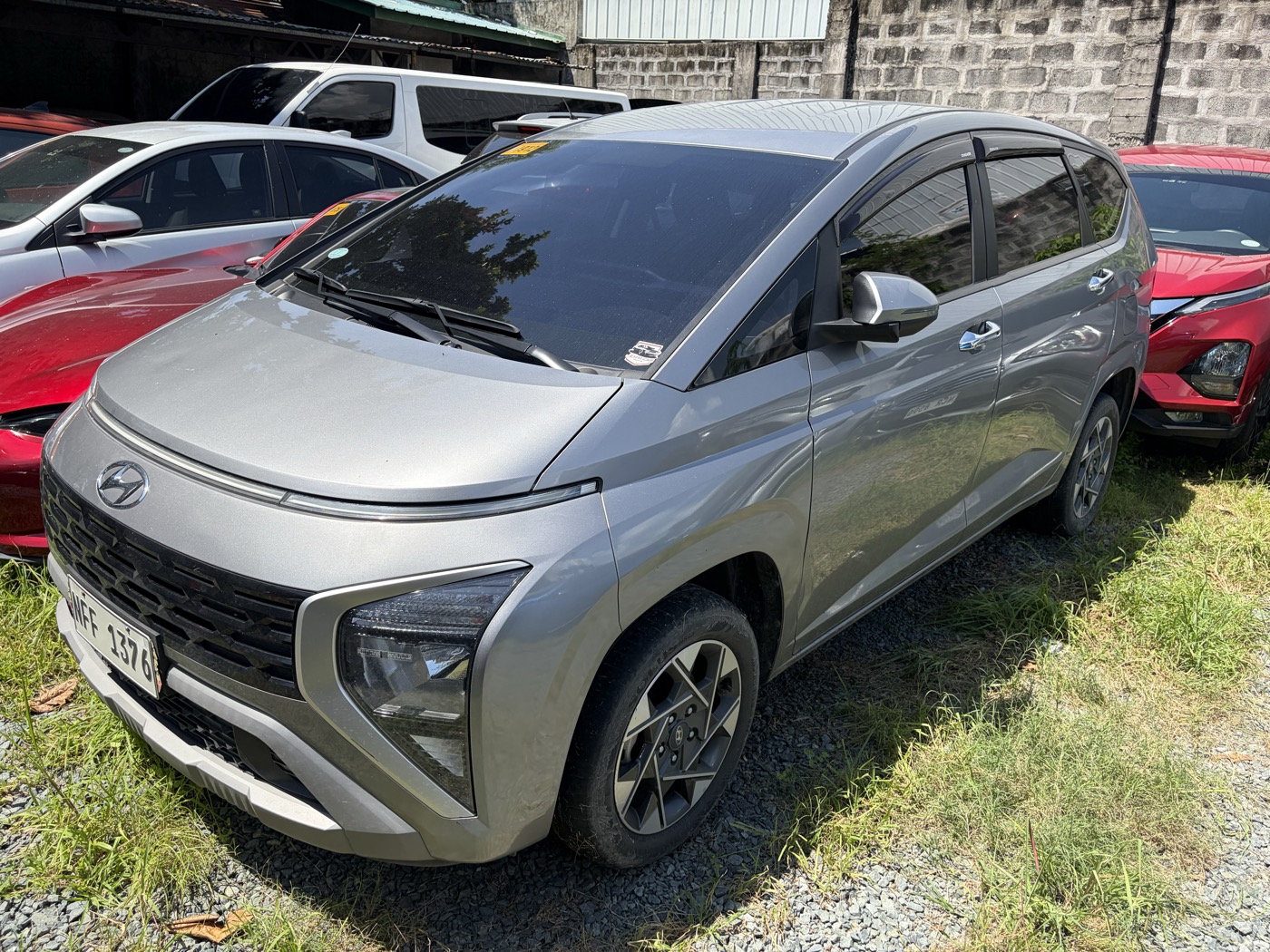
Browse by model to compare years and prices — for example, see all Vios in stock or every Stargazer we have. Line up two or three real candidates before you visit, so you can compare like for like.
Step 3: Inspect and test drive properly
Never buy on photos alone. Inspect in daylight, on dry ground, with the engine cold so you can hear a true cold start.
What to check yourself
- Body and paint: uneven panel gaps, mismatched paint or fresh overspray hint at past repairs or a collision.
- Underneath: heavy rust, a waterline of silt, or a musty smell inside can signal flood history — walk away from flooded units.
- Engine bay: no major leaks, oil at the right level and colour, no mayo-like sludge under the oil cap.
- Electronics: aircon cold, all windows, lights, wipers, infotainment and warning lights working.
- Tyres: even wear across the tread; uneven wear points to alignment or suspension issues.
Then drive it. Cold-start it yourself, listen for knocks, feel for smooth shifts, test the brakes for pulling, and try it at both low and highway speeds. For a full walkthrough, use our used car test drive checklist.
Step 4: Verify papers before any money moves
This is the step that separates a good buy from a nightmare. A clean car with dirty papers is worthless to you until it is sorted. Verify documents before you pay anything, even a reservation fee.
- OR and CR: the Official Receipt and Certificate of Registration should be original, current, and in the seller's name.
- Match the numbers: the engine and chassis numbers on the car must match the CR exactly.
- No encumbrance: if the CR says "encumbered", the car still has a loan against it — you need the release of chattel mortgage before transfer.
- No unpaid dues: confirm there are no unpaid LTO registration fees or pending apprehensions.
- Deed of Sale: a signed, notarised Deed of Sale plus the seller's valid ID completes your paper trail.
For the full list of what to collect and check, keep our used car documents checklist open while you inspect. When you buy from us, we verify the OR/CR up front and handle the transfer for you — one less thing to worry about.
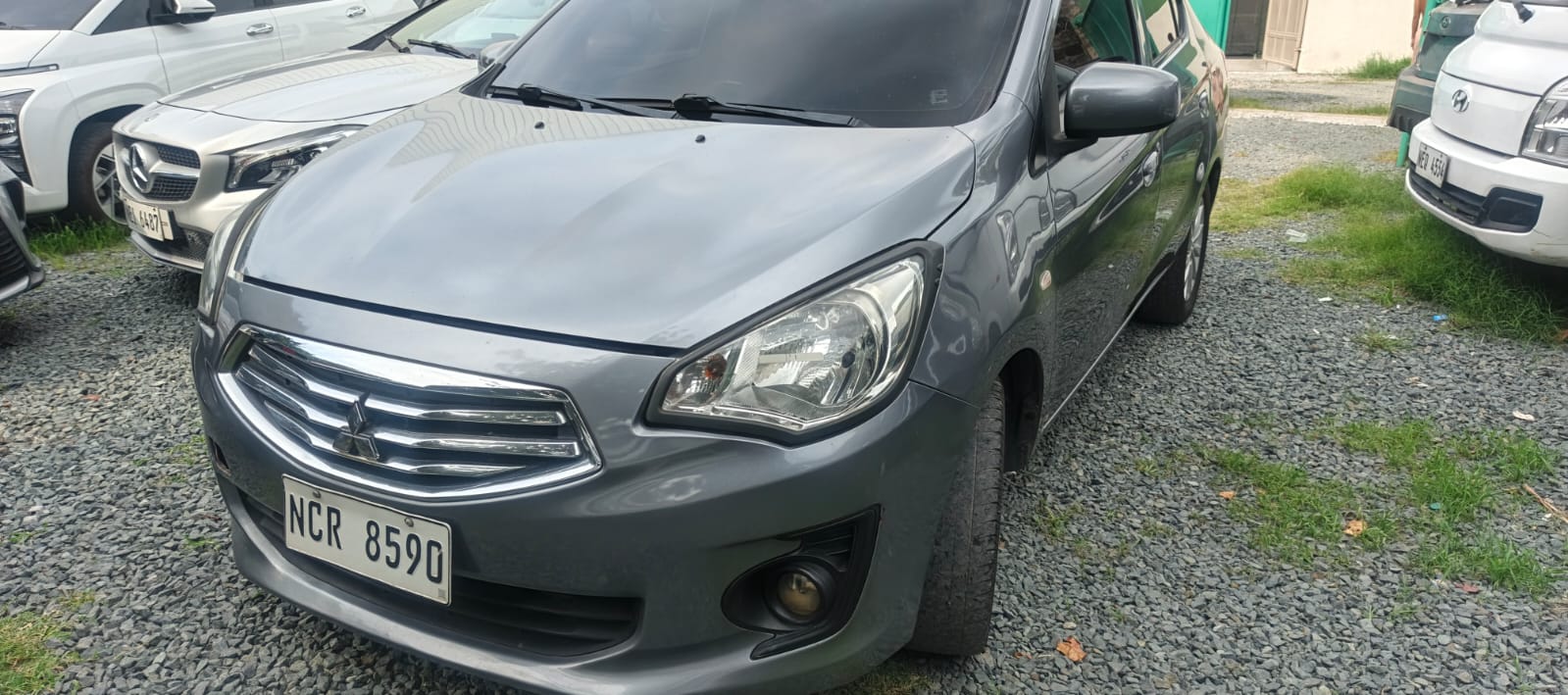
Step 5: Negotiate — or skip haggling with a sealed offer
In the traditional market you haggle: research the typical asking range for that model and year, point to anything the inspection flagged, and make a fair counter. It works, but it can turn into a stressful back-and-forth, and private sellers often anchor high.
We do it differently. Every car on our site shows a guide price, and instead of a public bidding war you make a private sealed offer that no one else can see. We then confirm, counter, or accept. You get a fair price without the drama, and no other buyer is bidding you up. See exactly how it works on our how it works page.
Step 6: Payment, release and transfer of ownership
Once the price is agreed and papers check out, handle the money safely.
- Pay traceably: use a bank transfer or manager's cheque over large amounts of cash, and always get a receipt.
- Get a signed Deed of Sale at the point of payment, with the agreed amount and both IDs.
- Transfer the registration to your name at the LTO — do not drive around on someone else's CR longer than you must.
At our lot the flow is simple: the full agreed price is settled before the unit is released, and we release the transferred documents within about 2–4 weeks after payment. That way you leave with the car and a clear paper trail behind it.
Common scams and how to dodge them
Most used-car scams in the Philippines rely on rushing you. Slow down and these fall apart.
- Flood-damaged units cleaned up and sold as normal — check under the carpets and in the spare-tyre well for silt and rust.
- Fake or "colorum" OR/CR — verify originals and match engine and chassis numbers; be wary of "casa copy only" excuses.
- Still-financed cars sold without releasing the mortgage — an encumbered CR is a red flag.
- Reservation-fee grab — never send a deposit before you have seen the car and its papers in person.
- Tampered odometers — cross-check mileage against wear on the pedals, seats and steering wheel.
Repossessed and bank-surrendered units can be genuine bargains, but they carry their own paperwork quirks — read our guide to repossessed cars in the Philippines before you chase one.
Dealer vs private seller at a glance
| Factor | Reputable dealer | Private seller |
|---|---|---|
| Price | Slightly higher | Often lower |
| Paper verification | Pre-checked for you | Your job entirely |
| Transfer of ownership | Usually handled | You process it yourself |
| Accountability if something's wrong | One named party | Hard to trace after the sale |
| Financing on the spot | Often available | Rarely |
Where our Parañaque lot fits in your search
RideAgain is a pre-owned car dealer in Vitalez Compound, 202 A Leonardo St, Parañaque City. As of July 2026 we carry around 74 live units from roughly ₱120,000 to ₱1.65M, with a median near ₱530,000 — sedans, MPVs, SUVs, hatchbacks, vans and pickups. Every car shows a guide price, papers are pre-checked, and you buy through a private sealed offer.
Come see a shortlist in person. We are open Monday to Saturday, 9:00 AM to 6:00 PM, and viewings are by appointment so the units you want are ready. Start by browsing the full stock, or if you are also offloading your current car, we buy cars too with a fast, market-based offer.
FAQ: Buying a second hand car in the Philippines
What should I check before buying a second hand car?
Check the body and underchassis for rust or flood damage, listen to the engine cold-start, test the aircon and electronics, and take a proper test drive. Then match the engine and chassis numbers to the OR/CR, confirm the seller's name on the papers, and verify there are no unpaid LTO dues or apprehensions before any money changes hands.
What documents are needed when buying a used car in the Philippines?
You need the original OR (Official Receipt) and CR (Certificate of Registration), a signed and notarised Deed of Sale, the seller's valid ID, and the latest LTO emission and insurance records. If the unit was financed, ask for the release of chattel mortgage. These documents are what you use to transfer ownership to your name at the LTO.
Is it better to buy from a dealer or a private seller?
A private seller can be cheaper but you carry all the risk and paperwork yourself. A reputable dealer costs a little more but pre-checks the papers, handles the transfer, and gives you one accountable party if something is wrong. If you are not confident inspecting a car and its documents on your own, a dealer is usually the safer choice.
How much down payment do I need for a used car?
For financed used cars in the Philippines, a down payment of around 20 percent of the price is common, though it varies by lender and credit profile. Paying more upfront lowers your monthly amortisation and total interest. If you buy in cash, there is no down payment at all — at RideAgain the full agreed price is settled before the unit is released.
Ready to start? Browse our other guides, line up two or three candidates, and book a viewing at our Parañaque lot.