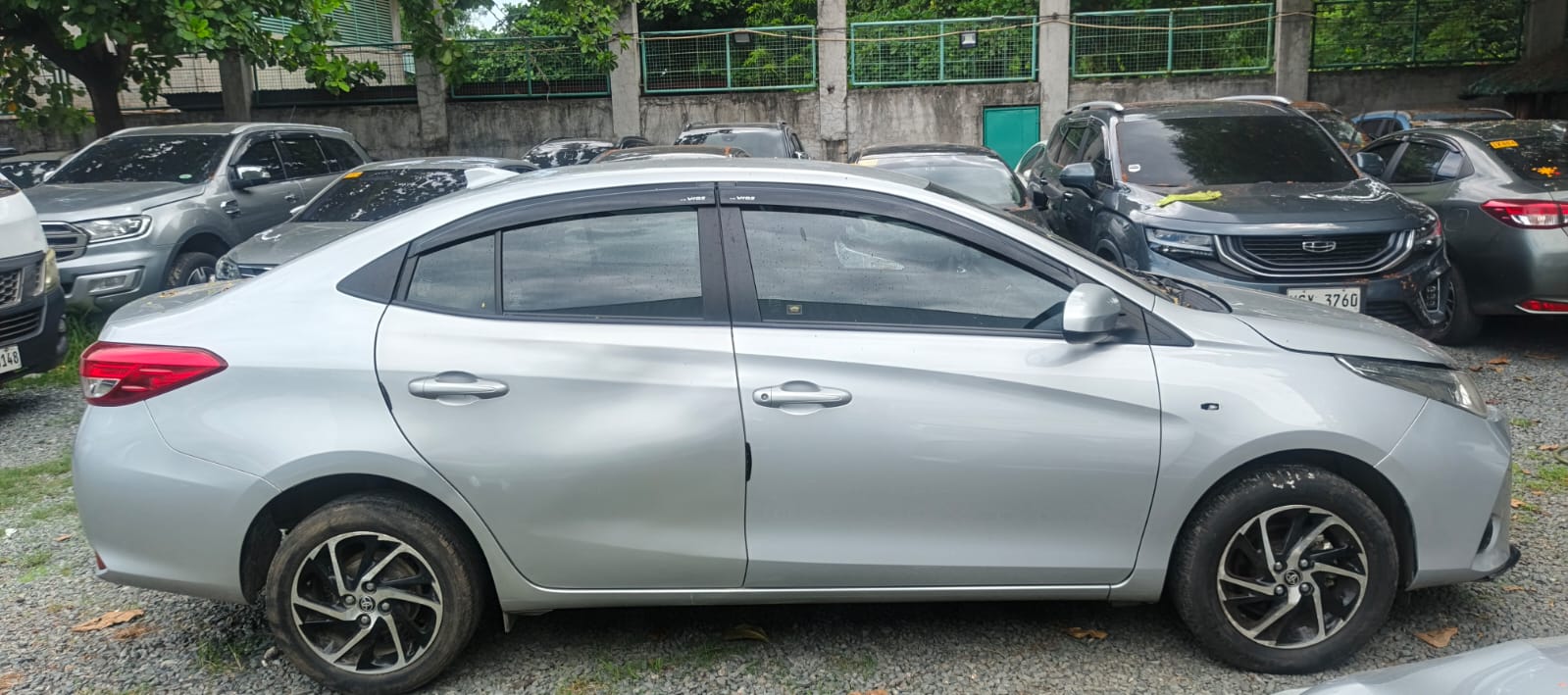
When a financing officer quotes "1.40% per month," it sounds tiny. But that is an add-on rate, and the effective rate — the true cost of the money — is close to double. If you compare car loans by the advertised rate alone, you will pick the wrong one. This guide shows you the difference with real peso math, using the kind of sedan we actually keep on our Parañaque lot.
Two rates, one loan: why the confusion exists
Almost every car dealer and lending partner in the Philippines advertises an add-on (also called flat) rate, because the number is small and easy to say: "from 1.40% per month, subject to approval." Banks and BSP-regulated disclosures, on the other hand, are supposed to show you the effective rate, which reflects what you truly pay as your balance shrinks.
The two describe the same loan but produce very different-looking numbers. Neither is a scam — they are just two ways of quoting the same peso interest. The problem is that borrowers compare an add-on rate from one lender against an effective rate from another and think one is far cheaper. It usually is not.
How add-on interest is computed
Add-on interest is charged on the full original amount financed, for every month of the term — even after you have paid most of the loan down. The formula is simple:
- Total interest = principal × monthly add-on rate × number of months
- Monthly amortization = (principal + total interest) ÷ number of months
Say you finance ₱400,000 at 1.40% per month add-on over 60 months. The interest is 400,000 × 1.40% × 60 = ₱336,000, fixed on day one. Your monthly amortization is (400,000 + 336,000) ÷ 60 = ₱12,266.67. That interest does not fall as your balance falls — which is exactly why the effective rate ends up higher.
How effective (true) interest is computed
The effective rate answers a fairer question: given that your outstanding balance shrinks every month, what interest rate are you really paying on the money you still owe? Because add-on interest keeps charging you as if you never paid anything back, the effective rate works out much higher than the flat figure.
You do not need a finance degree to estimate it. A widely used approximation converts an add-on (flat) loan to an effective annual rate:
Effective APR ≈ (2 × payments per year × total interest) ÷ (principal × (total payments + 1))
Plug in our numbers: (2 × 12 × 336,000) ÷ (400,000 × 61) ≈ 33% per year. Compare that to the add-on figure of 1.40% × 12 = 16.8% per year. The true cost is close to double. Treat 33% as an estimate — the exact effective rate depends on rounding and payment timing, but it lands in the high-20s to low-30s for a five-year term. This is illustrative; your final rate is subject to credit approval.
Worked example on a ₱500k used sedan
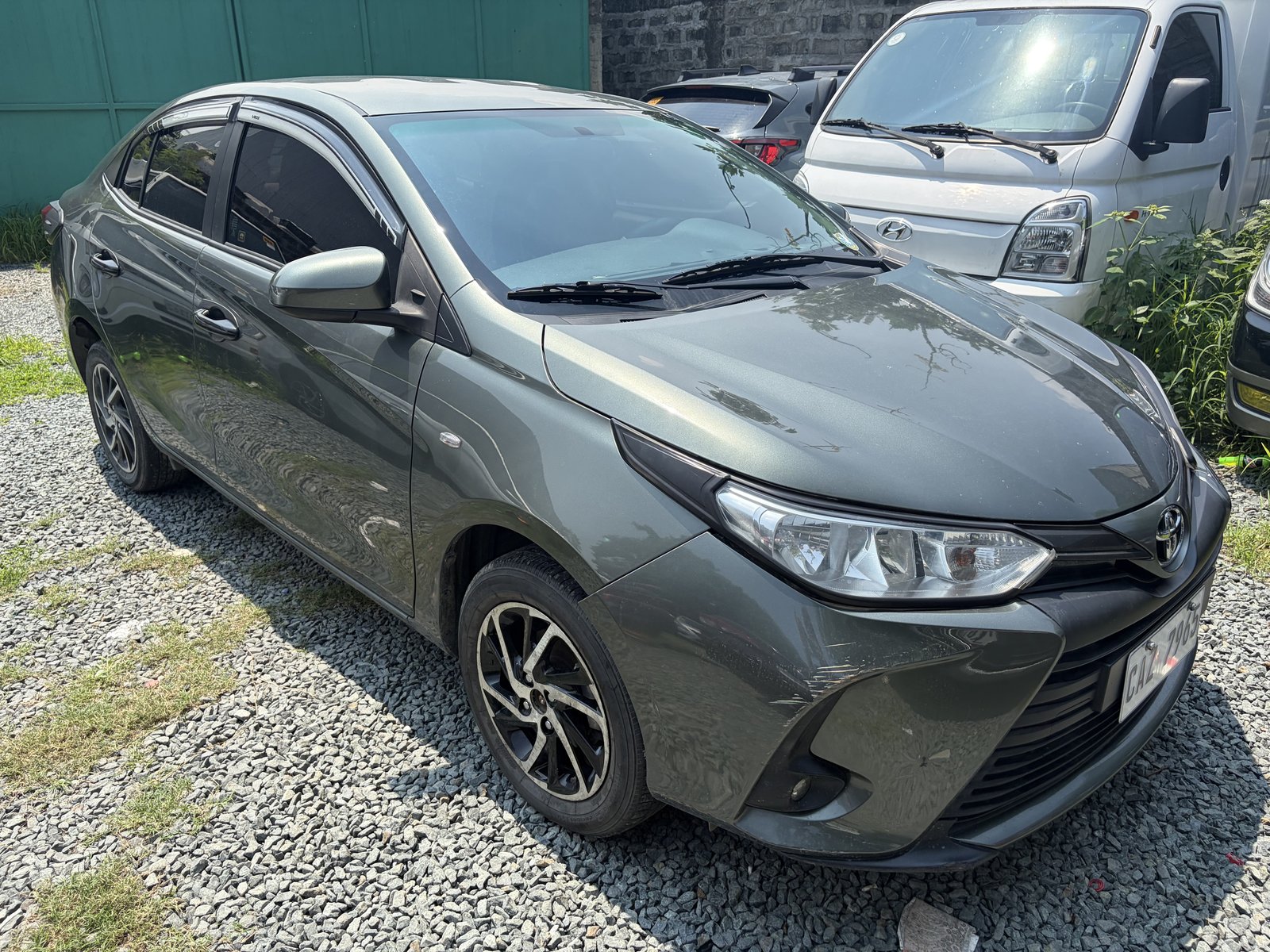
Let us run the full case on a ₱500,000 used sedan — the price band of most Vios units we carry. Put down 20% (₱100,000) and finance ₱400,000 at 1.40% per month add-on for 60 months.
- Amount financed: ₱400,000
- Add-on interest: 400,000 × 1.40% × 60 = ₱336,000
- Total of monthly payments: 400,000 + 336,000 = ₱736,000
- Monthly amortization: 736,000 ÷ 60 = ₱12,266.67
- Estimated effective rate: ≈ 33% per year
Over five years you pay ₱336,000 in interest to borrow ₱400,000. Shorten the term to 36 months and the interest drops to 400,000 × 1.40% × 36 = ₱201,600, though the monthly rises to about ₱16,711. Fewer months of add-on charges means less total interest — a shorter term is almost always cheaper in total pesos. For a full breakdown of how the monthly figure is built, see our guide to car loan monthly payment computation.
Fees that change the real cost
The interest rate is not the whole story. Two one-time charges can move your true cost more than a small rate difference:
Chattel mortgage and processing fee
A financed car is secured by a chattel mortgage — the lender's legal claim on the vehicle until you finish paying. Our lending partners charge a one-time processing/chattel fee of 6.95% on the amount financed. On ₱400,000 that is about ₱27,800, usually collected upfront or added to the release. If you want the mechanics, read our explainer on the chattel mortgage in the Philippines.
Registration, insurance and other market context
Comprehensive insurance is typically required for the loan term, and you will still shoulder annual LTO registration. These are not RideAgain fees and vary by provider — treat any figure you see online as approximate market context, not a fixed quote. Bundle them into your budget before you sign; our guide on how much car you can afford walks through the full monthly picture.
How to compare two loan offers fairly
Never compare on the headline rate or the monthly amortization alone. Compare the total amount you actually part with: down payment stays in your pocket as equity, so what matters is principal financed + all interest + one-time fees. Here are two offers on the same ₱400,000, side by side.
| Item | Offer A: 1.40%/mo, 60 months | Offer B: 1.60%/mo, 36 months |
|---|---|---|
| Amount financed | ₱400,000 | ₱400,000 |
| Add-on interest | ₱336,000 | ₱230,400 |
| Processing/chattel (6.95%) | ₱27,800 | ₱27,800 |
| Monthly amortization | ₱12,266.67 | ₱17,511.11 |
| Total cost of credit | ₱363,800 | ₱258,200 |
Offer B has the higher add-on rate yet costs about ₱105,600 less overall, because the shorter term means far fewer months of flat interest. The lower-rate loan is not the cheaper loan. Only the total-cost row tells the truth — figures illustrative, final rate subject to credit approval.
Questions to ask any financing officer
Before you commit, ask these out loud and write down the answers:
- Is the quoted rate add-on or effective? If add-on, what is the effective equivalent?
- What is the total interest in pesos over the full term, not just the monthly?
- What one-time fees apply — processing, chattel, documentary stamp — and are they upfront or added to the balance?
- Is there a prepayment or early-settlement penalty if I pay off the loan sooner?
- What down payment moves me to a lower rate or shorter approvable term?
At RideAgain, buyer financing starts from 1.40% per month add-on plus the one-time 6.95% chattel/processing fee, always subject to credit approval. We will show you the full peso total before anything is signed — see our financing page or browse all Vios in stock to price a specific unit.
FAQ: add-on vs effective interest
What does add-on interest rate mean?
Add-on interest is charged on the full original amount you financed for every month of the term, even as your balance goes down. If you borrow ₱400,000 at 1.40% per month add-on for 60 months, the interest is 400,000 × 1.40% × 60 = ₱336,000 flat. It is the rate most PH dealers advertise because the monthly figure looks small.
How do I convert add-on rate to effective rate?
Use the approximation: effective APR ≈ (2 × payments per year × total interest) ÷ (principal × (total payments + 1)). For ₱400,000 at 1.40%/month add-on over 60 months, that is (2 × 12 × 336,000) ÷ (400,000 × 61) ≈ 33% per year — roughly double the 16.8% per year add-on figure. It is an estimate; ask the lender for the exact effective rate.
Why is my effective rate higher than the advertised rate?
Because add-on interest keeps charging you on the whole original amount even after you have paid most of it down. By year four you might owe only ₱90,000 but you are still paying interest computed on ₱400,000. The true, reducing-balance cost of that money is therefore far higher than the flat add-on rate suggests.
Is a lower add-on rate always the better loan?
Not always. A lower add-on rate over a longer term can cost more in total pesos than a higher rate over a shorter term, and processing or chattel fees can flip the ranking entirely. Compare the total amount you actually pay — principal plus all interest plus one-time fees — not just the monthly amortization or the headline rate.
Ready to run the numbers on a real car? Come see the unit, take it out by appointment, and make a private sealed offer — no bidding wars, no pressure.
You can also browse the full lineup, read more buying guides, or tell us what you drive today on our sell your car page.