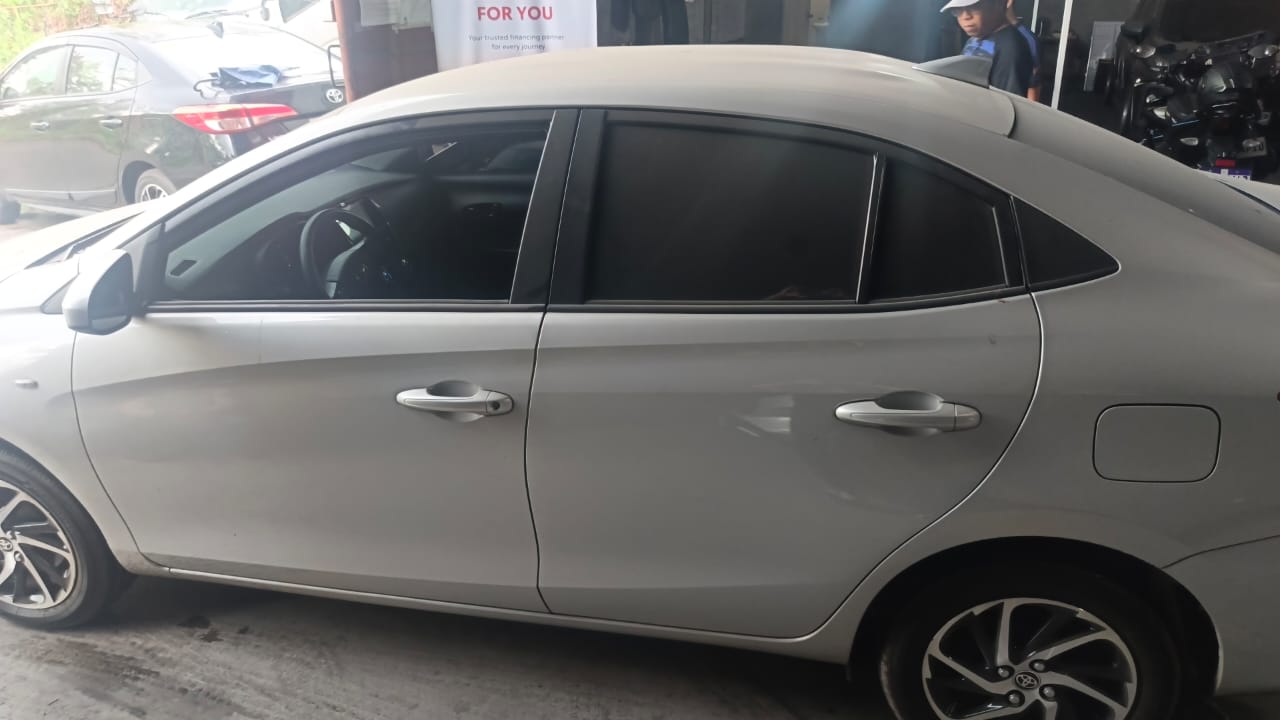
You have found the car you want. Now the real question: buy it from a dealer, or chase a cheaper unit from a private owner on Marketplace? Both routes sell the same models. What differs is who carries the risk, who does the paperwork, and what happens after the money moves.
This is an honest, Philippine-specific comparison from a dealer that also buys cars. We will not pretend private sellers are all crooks — many are decent. But the two routes fail in different places, and knowing where helps you spend well.
The real price gap, and why it exists
On paper, a private seller almost always looks cheaper. There is no dealer margin, no lot overhead, no reconditioning cost baked in. A private Vios might be advertised ₱20,000 to ₱60,000 under a comparable dealer unit. That gap is real — but it is not free money.
A dealer price usually includes work you would otherwise do yourself: sourcing, a mechanical check, minor reconditioning, and clean documents ready for transfer. A private price is just the car, as it sits, with whatever it is hiding.
The honest way to compare is total cost, not sticker. Add to a private deal your own inspection fee (typically ₱1,500 to ₱3,000 for a mobile mechanic), your travel and time, an LTO records check, and a cushion for the first repair a hidden fault throws at you. Once you price those in, a screened dealer unit often lands close — sometimes lower.
Paperwork: who carries the transfer burden
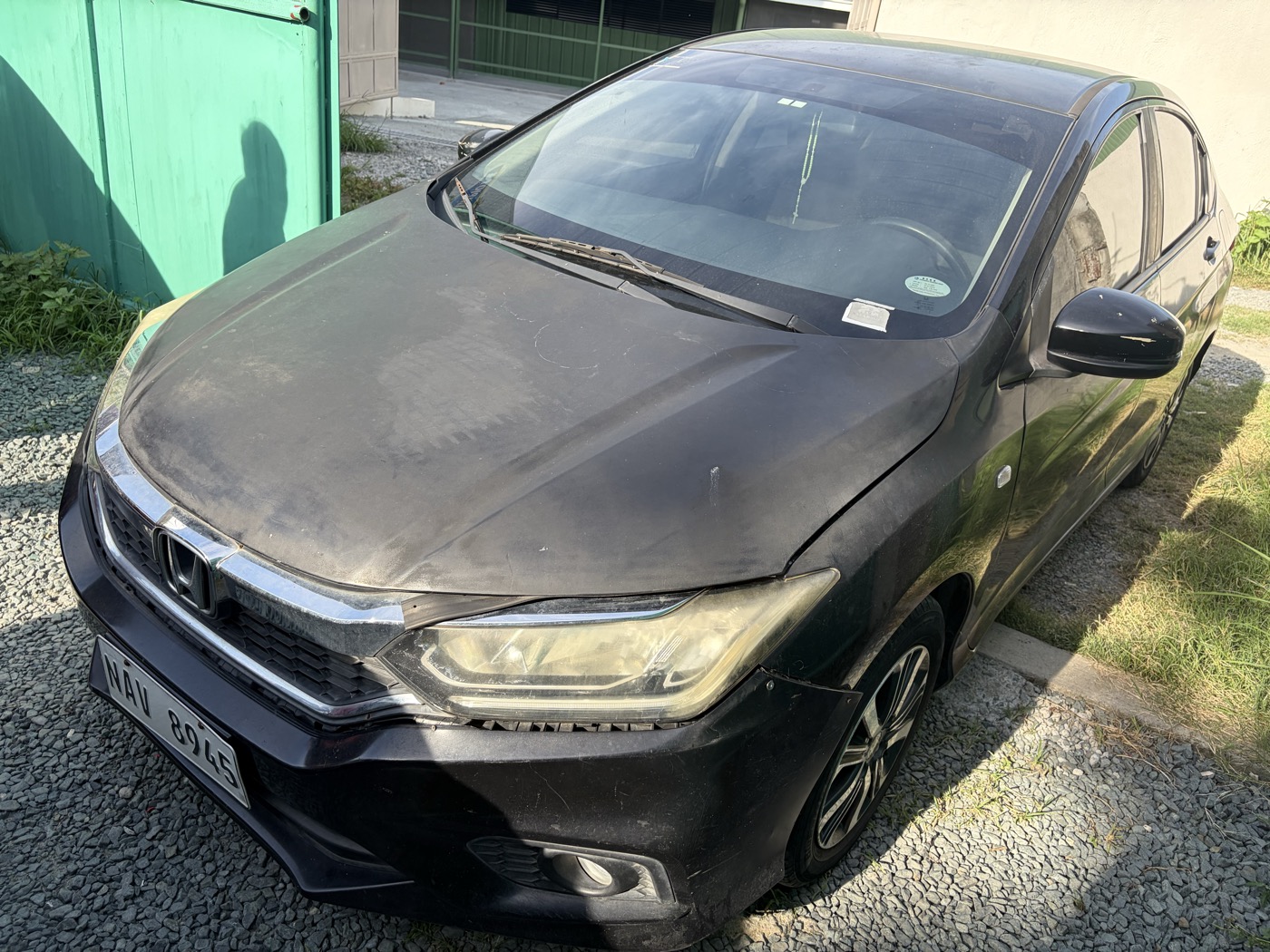
This is where the two routes diverge most, and where PH buyers get burned. A car is only really yours when the OR/CR is transferred into your name at the LTO. Until then you are driving someone else's registration.
With a private seller, the transfer is usually your problem. You collect the signed deed of sale, the current OR/CR, valid IDs, and then queue, pay the fees, and chase releases yourself. If the seller has a lost CR, an encumbrance from an old loan, or a name mismatch, you inherit that headache after you have already paid.
With a dealer, the transfer is typically handled for you. At our Parañaque lot, you pay in full first, then we process the OR/CR transfer and release the documents — as a rule of thumb, within two to four weeks. That is slower than getting keys the same day from a private seller, but the paperwork risk sits with us, not you.
Before you buy from anyone, read our used car documents checklist so you know exactly which papers must exist and match.
Scam exposure: where each route bites
Both routes have risk, but it is shaped differently. A dealer with a fixed address and a business to protect is easier to hold accountable. A private meet-up in a mall parking lot leaves you little recourse once the cash is gone.
The scams that cluster around private sales are well known in the PH market: open deeds that hide the true owner, tampered odometers, units still encumbered under an active loan, cloned plates, and cars with unsettled LTO apprehensions that surface only at transfer time. A rushed "pay the reservation now or I sell to someone else" push is a classic pressure tactic.
Dealer risk is different. The main things to guard against are vague histories and unclear document timelines. That is fair to ask about — a straight dealer will answer plainly. If a dealer dodges questions about the OR/CR or refuses a third-party inspection, walk.
Inspection access: lots vs meet-ups
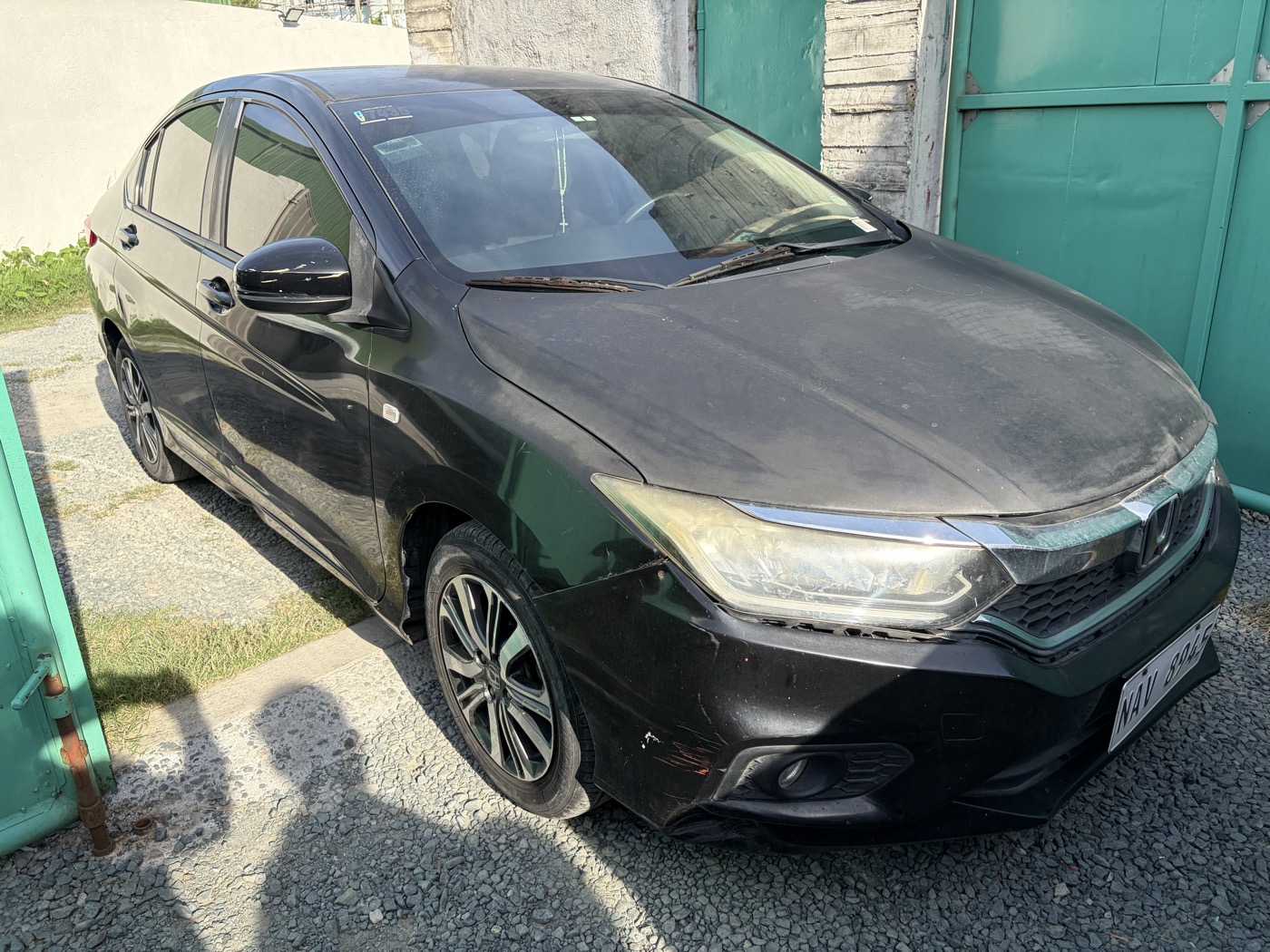
How you get to inspect a car quietly decides a lot. On a dealer lot you can compare several units side by side, in daylight, on the same visit, and bring your own mechanic without it feeling awkward. The car is not going anywhere and the seller is not rushing you.
A private meet-up is often the opposite: one car, a tight time window, sometimes an unfamiliar location, and pressure to decide fast. Sellers may pick a spot far from a shop where you could get a proper check. That is not always bad faith, but it works against a careful buyer.
Whatever route you take, insist on a cold-start (engine off for hours before you arrive), a test drive that includes highway speed, and an underbody look for flood or rust — no small thing during our rainy season. You can book an unhurried viewing of any of our units by appointment through our scheduling page.
Financing options in each route
Financing is where the private route quietly loses ground. Banks and lending firms are cautious about lending on a car bought hand-to-hand from an individual, because the collateral and documents are harder to verify. Many private deals end up cash-only, which limits who can buy.
Dealers can route you to lending partners set up for used-car loans. Our buyer financing starts from 1.40% per month add-on rate, subject to credit approval, plus a one-time 6.95% chattel and processing fee on the amount financed. See the full terms on our financing page.
Here is an illustrative example only — your final rate is subject to credit approval. On ₱400,000 financed over 60 months at a 1.40% add-on: monthly ≈ (400,000 + 400,000 × 0.014 × 60) ÷ 60 = ₱12,267. Add-on rates are computed on the original principal for the whole term, so always compare the total, not just the monthly figure.
| Factor | Dealer (e.g. RideAgain) | Private seller |
|---|---|---|
| Sticker price | Higher — margin + reconditioning | Lower on paper |
| OR/CR transfer | Dealer handles it, ~2–4 weeks after payment | Usually your job, your cost |
| Document verification | Shown before you pay | You must verify yourself |
| Inspection access | Unhurried, on-lot, bring a mechanic | Often a rushed meet-up |
| Financing | Lending partners available | Frequently cash-only |
| Recourse if there's a problem | Fixed address, business to protect | Limited once cash changes hands |
| Condition basis | Sold as-is, but screened first | Sold as-is, unverified |
Where sealed offers change the equation
Private buying often turns into a public haggle, and dealer buying into a fixed take-it-or-leave-it. We run a middle path. Every car on our site shows a guide price, and you make a private sealed offer — never shown publicly, no bidding wars against other buyers. We then confirm, counter, or accept.
That keeps the price discovery of a private negotiation without the pressure and the games. You are not bidding against a stranger, and you are not stuck with a number on a windscreen either. It is the part of the dealer route people usually wish they had with a private seller.
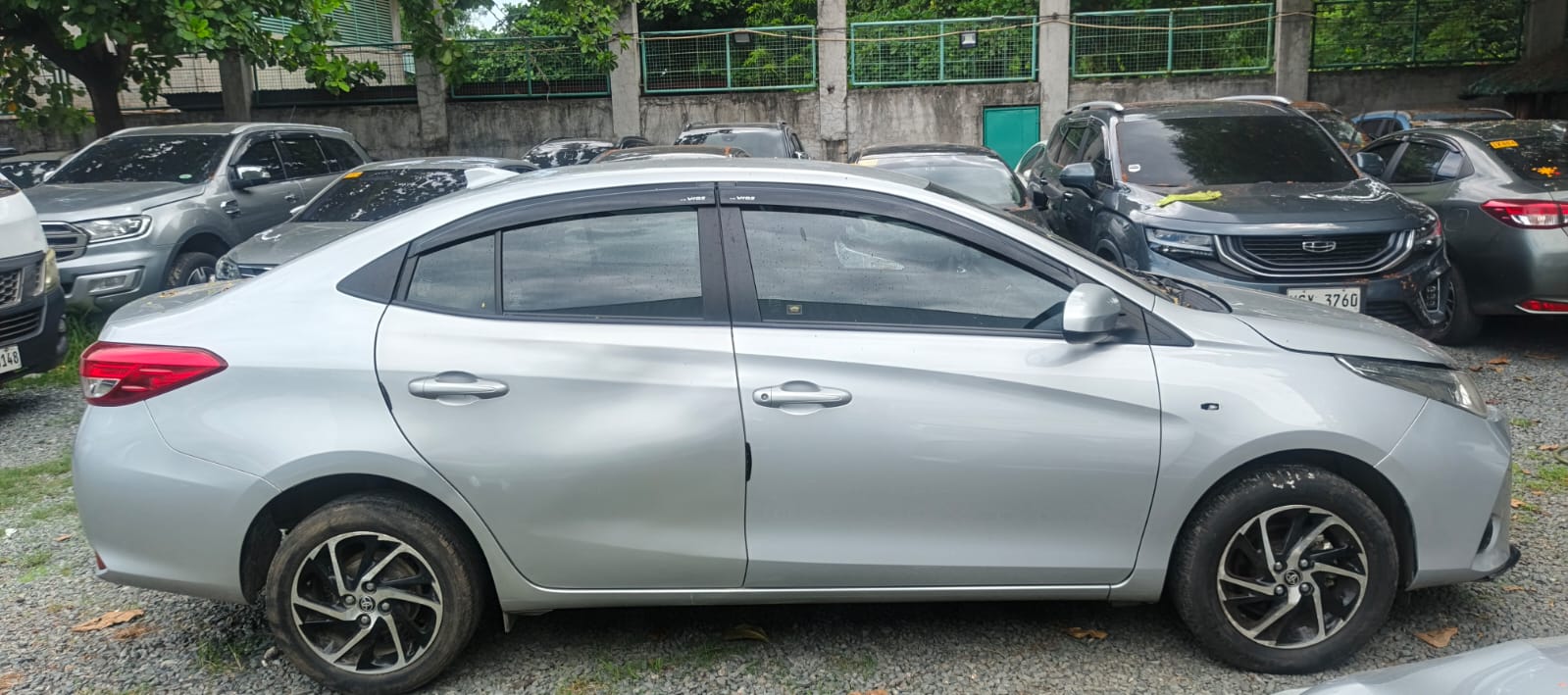
A fair checklist for either choice
Whichever route you pick, the same discipline protects you. Run this before any money moves:
- Match the engine and chassis numbers to the CR, and the CR name to the seller's ID.
- Confirm the OR is current and there are no pending LTO apprehensions on the plate.
- Check for encumbrance — is the car fully paid, or still under a loan?
- Do a cold-start, a highway test drive, and an underbody flood/rust check.
- Get an independent mechanic's inspection; the fee is cheap insurance.
- Agree in writing who processes the transfer and when documents are released.
- Never pay a deposit before you have physically seen the documents.
If you would rather skip the private-seller legwork, browse our current stock, learn how our sealed-offer process works, or read the wider guide to buying a second-hand car in the Philippines. Selling instead? We also buy cars with a market-based offer and handle the paperwork.
FAQ: dealer vs private seller used cars
Is it cheaper to buy a used car from a private seller?
Often the sticker looks lower from a private seller, because there is no dealer margin. But the gap narrows once you price in your own time, an independent inspection, a casa records check, and the risk of hidden repairs sold as-is with no recourse. A well-priced dealer unit that has already been screened can cost less in the end.
Is buying from a dealer safer than from an owner?
Generally yes, on paperwork and traceability. A registered dealer has a fixed address, a business to protect, and documents it can show before you pay. A private owner may be honest too, but if the OR/CR or deed has a problem, you have far less recourse once the cash changes hands. Verify either way before releasing money.
What scams are common in private car sales?
The common ones are open deeds of sale that hide the real owner, tampered odometers, encumbered units still under financing, cloned plates, and cars with unsettled LTO apprehensions. Fake or for-transfer OR/CR, and meet-ups that rush you to pay a deposit before you have seen the documents, are also frequent. Verify records with the LTO where you can.
Who handles the LTO transfer when buying from a dealer?
With most dealers, the dealer processes the OR/CR transfer for you. At RideAgain you pay in full first, then we handle the transfer paperwork and release the documents typically within two to four weeks. With a private seller, the transfer is usually your job, at your own cost and time.
Ready to compare without the pressure? Every unit is viewable by appointment at our Parañaque lot, Monday to Saturday.