
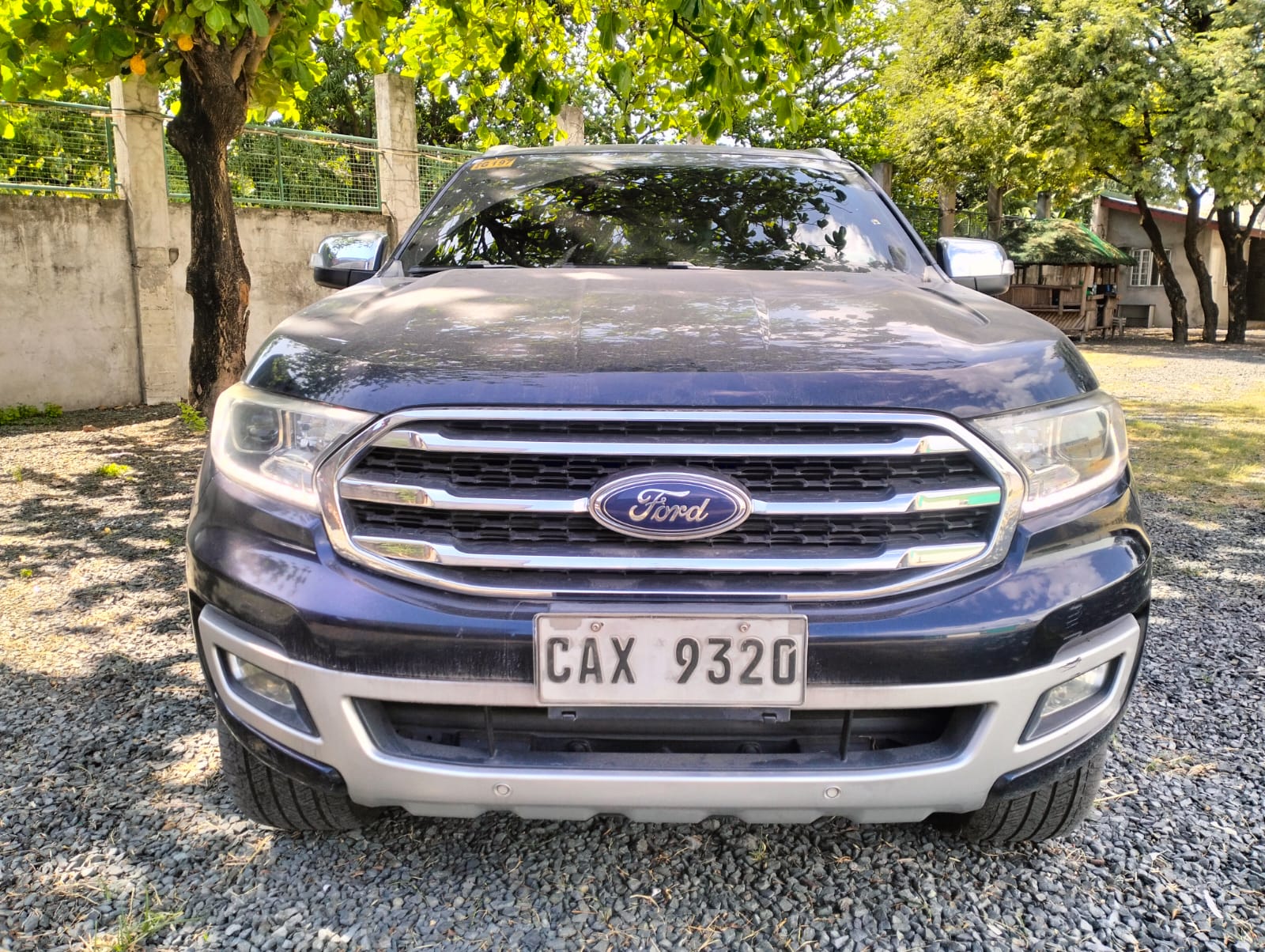
In a country that floods every rainy season, a flood damaged car is one of the biggest risks in the second-hand market. A unit can look showroom-fresh, drive fine on a short test loop, then start throwing electrical gremlins six months later when the corrosion inside the wiring finally bites.
The good news: flooded cars leave evidence, and most of it is easy to check yourself in ten minutes. This guide walks through the 12 signs we look for, cabin to underbody, plus where flood units tend to resurface and how we screen them out before a car ever reaches our listings.
Why flood cars are a PH-specific epidemic
The Philippines gets 20-odd tropical cyclones a year, and Metro Manila's low-lying areas — Marikina, parts of Pasig, Cainta, España — go under with grim regularity. Every major flood turns thousands of cars into insurance write-offs overnight.
Those write-offs don't disappear. Many are bought for a fraction of value, dried out, detailed, and quietly re-sold. Because a car is easy to move between regions and re-register, a unit that drowned in an NCR flood can end up advertised in a province months later with clean-looking papers.
That is why "it looks fine" is not enough here. A buyer in Cebu or Davao has no way of knowing a car sat in floodwater in Marikina last August unless they check the car itself. Local knowledge matters, which is one reason we buy and inspect units on the ground — see how it works.
Cabin checks: carpets, seat rails, musty smell
Start inside, because the cabin is where water lingers longest and detailing can never fully reach. Give yourself a few quiet minutes with the aircon off.
1. The musty smell that comes back
A strong air freshener on a used car is a red flag, not a courtesy. Turn off the aircon, close the doors for a minute, then breathe in. A damp, mouldy, "old basement" smell that returns is trapped moisture in the carpet padding and seat foam — classic flood residue.
2. Damp, stained or mismatched carpets
Press the carpet hard with your palm, especially in the footwells and under the mats. Damp padding, a tide line, or brand-new carpet in an otherwise older car all point to a soaking. Lift the carpet edge if the seller allows it.
3. Rust on seat rails and seatbelt bolts
Slide the front seats fully back and look at the metal rails and mounting bolts. These sit low and are almost never cleaned. Fresh surface rust or a grimy waterline here is one of the most reliable flood tells. Pull a seatbelt all the way out too and check the bottom of the webbing for water staining and grit.
Engine bay checks: silt, corrosion, waterlines
Pop the bonnet and look past the shiny bits. Flood mud is fine and grey, and it settles into corners a pressure wash misses.
4. Silt in hidden corners
Check the crevices around the battery tray, alternator, and the seams at the base of the firewall. A dried, cracked-mud residue where you'd expect clean metal or plastic is silt left behind by receding water.
5. A waterline on the engine or inner fender
Look for a horizontal stain line across the engine block, radiator support, or inner wings. It marks how high the water sat. Not every flood leaves one — a partial flood may stay below the bonnet line — so its absence proves nothing.
6. Corrosion on connectors and clean-looking new parts
Unclip an accessible electrical connector or two and look for green or white corrosion on the pins. Also be suspicious of oddly new-looking components — a fresh battery, starter, or alternator on a five-year-old car can mean flood-killed originals were swapped out.
Electronics: the failures that show up later
This is the reason flood cars are dangerous rather than merely dirty. Modern cars run dozens of control modules and hundreds of connectors. Water gets into them, dries, and leaves salts that slowly corrode contacts from the inside. The car works today and starts failing intermittently months down the line.
7. Warning lights and lazy electronics
With ignition on, watch the dash light up. Every warning lamp should illuminate then go out. A bulb that never lights can mean someone pulled a fault-throwing module. Flickering gauges or a laggy infotainment boot are further hints.
8. Test every switch, motor and sensor
Go through the car methodically: all power windows, mirrors, central locking, wipers (including washers), every aircon speed, the audio, all interior and courtesy lights, the reverse camera, and the seat adjusters. On flood cars these fail in ones and twos, not all at once.
Underbody and lights: the telltale fog
Two areas round out a quick physical check.
9. Fogged or moisture-marked headlights
Condensation, water lines, or a hazy film inside the headlight and tail-light housings is a strong sign the car was submerged past the bumper. Sealed lamps shouldn't hold moisture.
10. Rust and silt underneath
Look under the car and inside the wheel arches. Heavy, flaky rust on suspension components, the exhaust, and bare underbody metal — beyond the light surface rust normal for the car's age — suggests prolonged water exposure.
11. The spare-tyre well
Lift the boot floor and inspect the spare-tyre well. It's the lowest sealed point in the body, so water and silt collect there and drain slowly. Mud, staining, or standing water in the well is one of the most honest flood tells in the whole car.
Paper trail clues: region, timing, quick resales
The 12th sign isn't on the car — it's around it.
12. Region, timing and a rushed sale
Ask where the car is coming from and when it was last transferred. A unit recently re-registered out of a flood-hit area, advertised soon after a major storm, at a price noticeably below the market — with few photos and a seller who won't allow a proper inspection — ticks every profile box for a laundered flood car.
Cross-check the OR/CR details and the seller's story. Genuine sellers welcome questions; a rushed, cash-only, "as-is no-check" deal on a suspiciously cheap car deserves a hard pass. If you want a second opinion, our used-car engine check guide pairs well with this one.
The 12-sign checklist in one table
Print this or screenshot it for your next viewing. Any one item can have an innocent explanation; three or four together mean walk away.
| # | Where | What to check | Bad sign |
|---|---|---|---|
| 1 | Cabin | Smell with aircon off | Musty/mouldy odour returns |
| 2 | Cabin | Carpet & padding | Damp, tide line, or brand-new carpet |
| 3 | Cabin | Seat rails & belt bolts | Fresh rust or grit waterline |
| 4 | Engine bay | Hidden corners | Dried grey silt residue |
| 5 | Engine bay | Block & inner fenders | Horizontal waterline stain |
| 6 | Engine bay | Connectors & parts | Corroded pins or odd new parts |
| 7 | Electronics | Dash warning lamps | A lamp that never lights |
| 8 | Electronics | Switches, motors, sensors | Random one-off failures |
| 9 | Lights | Head & tail lamps | Internal fog or water line |
| 10 | Underbody | Suspension & arches | Heavy flaky rust for the age |
| 11 | Boot | Spare-tyre well | Mud, stain, or standing water |
| 12 | Papers | Region, timing, price | Post-flood transfer, rushed cheap sale |
How we screen units before listing them
We inspect every car physically before it goes live on the site, and the flood checklist above is part of that routine — carpets lifted, seat rails checked, spare-tyre well opened, electronics run through. Cars we can't vouch for don't get listed.
Everything we sell is priced with a clear guide figure, and you make a private sealed offer — no bidding wars, no pressure. Units are sold as-is, where-is, so we'd rather you come and check the car in person. Viewing and test drives are by appointment at our Parañaque lot, Monday to Saturday.
If you're financing, buyer plans start from 1.40% per month add-on rate (subject to credit approval) plus a one-time processing fee — the details are on our financing page. Selling a car you're unsure about? We buy cars with a market-based valuation and handle the paperwork. And if you want more inspection reading, our test-drive checklist and accident-damage guide round out the picture.
FAQ: flood damaged cars in the Philippines
How can I tell if a car has been flooded?
Use your nose and hands before your eyes. Check for a musty, mouldy smell that returns after the aircon is off, damp or mismatched carpets, rust on the seat rails and seatbelt bolts, silt or a waterline in the engine bay and spare-tyre well, and fogged headlights. One clue can be explained away; three or four together point to flood history.
Where do flood damaged cars usually end up for sale?
Flooded units often surface far from where they went under. After a big Metro Manila or provincial flood, insurance write-offs get bought cheaply, cleaned, then re-registered and sold in another region weeks later, frequently through casual online sellers with fresh paperwork and few photos. A suspiciously low price and a recent transfer from a flood-hit area are your warning signs.
Can a flood damaged car be fully repaired?
Cosmetically, yes; reliably, rarely. Silt and corrosion sit inside wiring looms, connectors, control modules and the transmission where no valet detail reaches. Even a well-dried unit tends to throw intermittent electrical faults for years. A flood car can be a runner, but you should only buy one knowingly, at a heavy discount, never at normal market price.
Is a waterline mark always visible on flood cars?
No. A partial flood may only reach the floor, leaving no line on the dashboard or engine bay, and a thorough clean can wipe visible tide marks off plastics. That is why you cross-check hidden areas: under the carpet, inside the spare-tyre well, behind trim, on seat-rail bolts and inside the fuse box. Absence of a waterline is not proof a car stayed dry.