
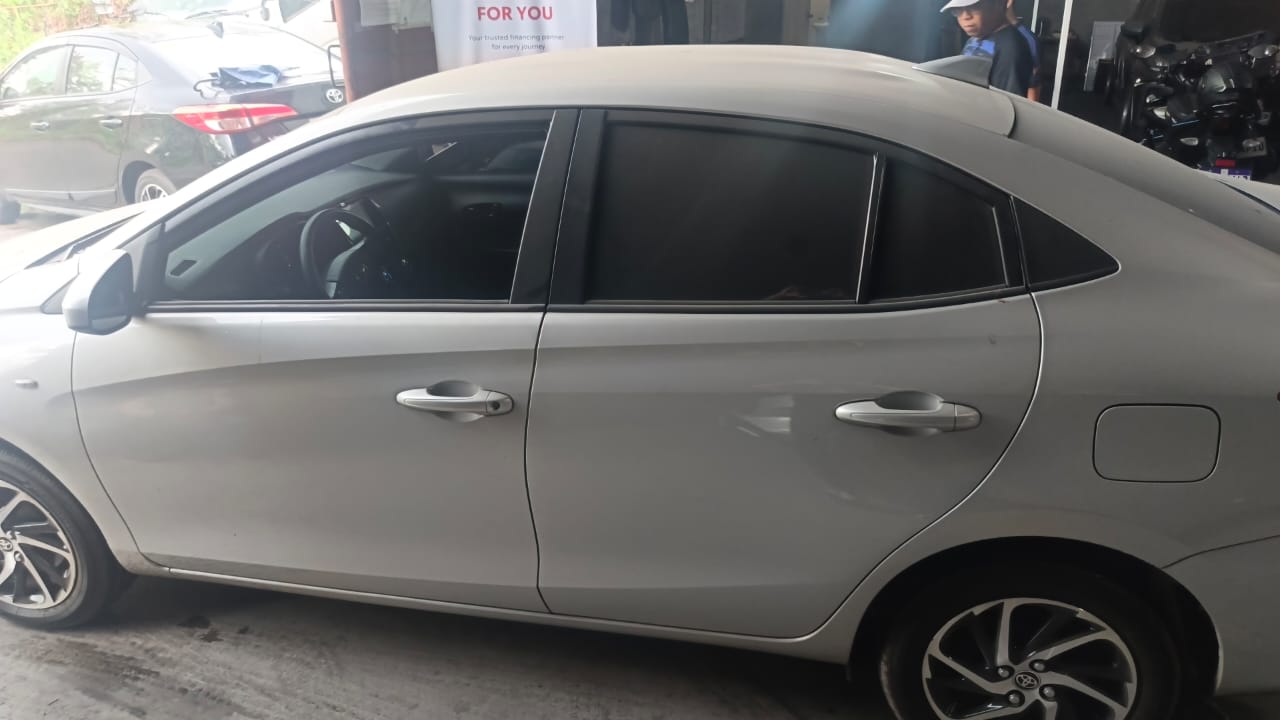
Every used car has a history, and in Metro Manila traffic that history often includes a bump or two. That is not the problem. The problem is a car sold as pristine when the panels have been straightened, resprayed, and quietly signed off. Learning to read the tells of an accident damaged car turns a nerve-wracking gamble into a calm, informed decision.
This guide walks you through what to look for with nothing but your eyes, your hands, and a bit of daylight — the same checks we run on every unit before it reaches our Parañaque lot. Use it alongside our used-car test-drive checklist when you view anything.
- Not all repairs are equal: cosmetic vs structural
- Repaint tells: overspray, texture, colour mismatch
- Panel gaps and how doors should close
- Under the skin: rails, welds and chassis clues
- Glass and lights: date-code detective work
- Airbag and seatbelt checks
- Deciding: acceptable history vs walk away
- FAQ
Not all repairs are equal: cosmetic vs structural
Before you inspect a single panel, fix the right question in your head. You are not asking "has this car ever been touched?" — almost every car older than a year has. You are asking "was the damage cosmetic or structural, and was it fixed properly?"
Cosmetic damage lives on the skin: a scratched bumper, a dented door, a scuffed quarter panel. These are replaced or resprayed and, done well, leave the car just as safe and nearly as valuable as before.
Structural damage reaches the bones: the chassis rails, the firewall, the strut towers and suspension mounts. A car pushed out of alignment here can pull at speed, wear tyres unevenly, and fail to protect you in the next crash. That is the history worth walking away from.
| Type | Typical examples | Effect on safety & value | How we treat it |
|---|---|---|---|
| Cosmetic | Repainted door, replaced bumper, polished scuff | Little to none if done well | Normal — noted, priced fairly |
| Moderate | Replaced fender, repaired quarter panel | Minor, mostly resale value | Disclosed, reflected in the guide price |
| Structural | Bent chassis rail, repaired firewall, welded strut tower | Real — handling and crash safety | We usually pass on these units |
Repaint tells: overspray, texture, colour mismatch
Repaint is the loudest clue, so start here. View the car outdoors, in daylight, and walk slowly around it while crouching to catch reflections along the body line.
Colour and texture mismatch
Sight down each panel and compare it to the one next to it. Factory paint has a consistent shade and a uniform "orange peel" texture. A resprayed panel often reads slightly darker, glossier, or grainier under the same light. Metallics and pearls are the hardest to match, so mismatch shows most on silver, grey and white — the colours you will see on most of the Vios in our stock.
Overspray
Overspray is a fine mist of paint where it does not belong: on rubber door seals, plastic trim, window glass edges, or under the wheel-arch lip. Run a fingernail along the rubber seals. Factory rubber is clean and matte; a hazy, painted-over seal points to a panel that came off for repair.

Sanding dust and tape lines
Open the doors, boot and bonnet and look at the shut lines and jambs. Bodyshops mask these areas, so a faint paint edge, a ridge of tape line, or dust trapped in a corner tells you the outer panel was sprayed while the jamb kept its original colour. A factory finish flows seamlessly from the outer skin into the jamb.
Panel gaps and how doors should close
A car leaves the factory with even, consistent gaps between every panel. Collision repair, especially structural work, is very hard to reassemble to that tolerance.
Stand at each corner and check the gap between the bonnet and fender, the door and body, the boot and quarter panel. The gap should be the same width top to bottom and match the gap on the opposite side of the car. A gap that tapers, or is noticeably wider on one side, suggests a panel was replaced or the shell was pulled.
Then open and close each door. A factory door swings and latches with a light, even push. A door you have to lift, shove, or slam usually sits on a hinge or pillar that was disturbed. The bonnet and boot should sit flush with the surrounding panels, not proud or sunken at one corner.
Under the skin: rails, welds and chassis clues
This is where cosmetic and structural histories part ways. Open the bonnet and look past the engine at the metalwork around it.
Inner fenders and radiator support
Follow the two chassis rails that run forward toward the radiator. Factory metal is smooth, evenly painted, and joined by neat, evenly spaced spot welds. Look for crumpling, wrinkles, fresh weld beads, or paint that is glossier and newer than the rest of the bay — all signs the front end was pulled or a section replaced.
Bolt heads and factory paint
Check the bolts holding the fenders, bonnet hinges and bumper brackets. Factory bolts wear a thin coat of paint and sit undisturbed. Bolts with chipped paint, shiny tool marks, or a spanner scar have been loosened — meaning the panel came off at some point.
Fresh undercoating
Peek into the wheel arches and under the sills. A thick, fresh spray of black undercoating on an otherwise older car is sometimes used to hide repair welds or filler underneath. Original undercoat ages evenly across the whole car.

Glass and lights: date-code detective work
Glass and lamps carry small manufacturing dates, and they turn into quiet detectives. Most windscreens and side windows are stamped with the maker's logo and a date code. Headlights and tail lights carry a moulded date on the housing too.
Compare those dates to the car's build year and to each other. If three windows read the original year and one is newer — or one headlight is dated two years after its twin — that corner likely took a knock. One replaced lamp after a minor bump is no crisis; a replaced windscreen plus a newer front lamp on the same side starts to paint a picture. Cross-check anything you find against the paperwork before you decide, and if you are still unsure, our guide on how to verify LTO records shows how to confirm the car's registered history.
Airbag and seatbelt checks
Airbags matter because they only fire once. A car that was in a serious front-end crash should have had its airbags replaced — and that repair is expensive, so it is sometimes skipped or faked.
The SRS warning light
Switch the ignition to "on" without starting the engine and watch the dashboard. The airbag or SRS light should glow for a few seconds as a self-test, then switch off. A light that never comes on can mean the bulb was pulled to hide a fault. A light that stays on means the system has a fault right now. Either way, ask questions.
Covers, trim and seatbelts
Look closely at the steering-wheel centre and the dashboard above the glovebox, where the passenger airbag hides. Mismatched trim colour, uneven gaps, glue residue, or screws that do not match the rest of the interior suggest a cover was removed and replaced after deployment.
Pull each seatbelt out fully. Belts that locked during a hard crash can jam, fray, or refuse to retract smoothly. A belt that will not pull all the way out, or looks newer than its neighbours, is worth a second look.
Deciding: acceptable history vs walk away
Once you have gathered your clues, weigh them together rather than panicking over any single one. A repainted bumper on a ten-year-old city car is background noise. A repainted quarter panel, a newer headlight, and a door that needs a shove — all on the same corner — tell a consistent story that deserves a full mechanic's inspection.
Match the history to the price. A car with an honest, disclosed cosmetic repair at a fair figure can be a smart buy. The same car sold as flawless at top money is a different proposition. At RideAgain every unit carries a guide price, and you make a private sealed offer — so once you understand a car's condition, you can put forward a number that reflects it, and we confirm, counter, or accept.
Remember every car here is sold as-is, where-is, so the inspection you do up front is the inspection that counts. Bring a trusted mechanic, or book a viewing and take your time. If you are also worried about water history, pair this with our guide on flood-damaged car signs. And if you are trading out of a car you are unsure about yourself, we also buy cars with a market-based offer and handle the paperwork.
FAQ: accident damaged car signs
How can I tell if a used car was in an accident?
Look for mismatched paint texture or colour between panels, uneven panel gaps, doors that need a shove to close, fresh undercoating on the rails, and bolt heads that show tool marks. Under the hood, check the inner fender welds and radiator support for signs of repair. No single clue is proof, but two or three together mean you should ask for records and get an independent inspection.
Is a repainted car always accident damaged?
No. Many cars are repainted to fix scratches, faded clearcoat, or a single dented panel from a car-park bump. A quality full respray can even improve a tidy car. Repaint only becomes a warning sign when it hides structural work, overspray on rubber and glass, or a colour that no longer matches the factory shade. Judge the repair quality and the reason, not the paint alone.
How do I check if airbags were deployed and replaced?
Switch the ignition on and watch the airbag (SRS) warning light: it should glow briefly then go out. A light that stays on, never comes on, or a dashboard with mismatched trim around the airbag cover suggests a deployment and repair. Inspect the steering wheel cover and dashboard seams for uneven gaps or glue. A scan tool that reads live SRS fault codes gives the clearest answer.
Should I avoid all cars with previous repairs?
Not necessarily. Cosmetic repairs, replaced bumpers, or a repainted door are normal on used cars and rarely affect safety or value much. What you want to avoid is structural damage to the chassis rails, firewall, or suspension mounts, and unrepaired airbag systems. Match the repair to the price: a clean cosmetic history at a fair figure is fine; hidden structural work at full price is not.
Ready to put these checks to work? Browse the Toyota Vios in stock, compare guide prices on our full inventory, or read up on financing options before you commit.