
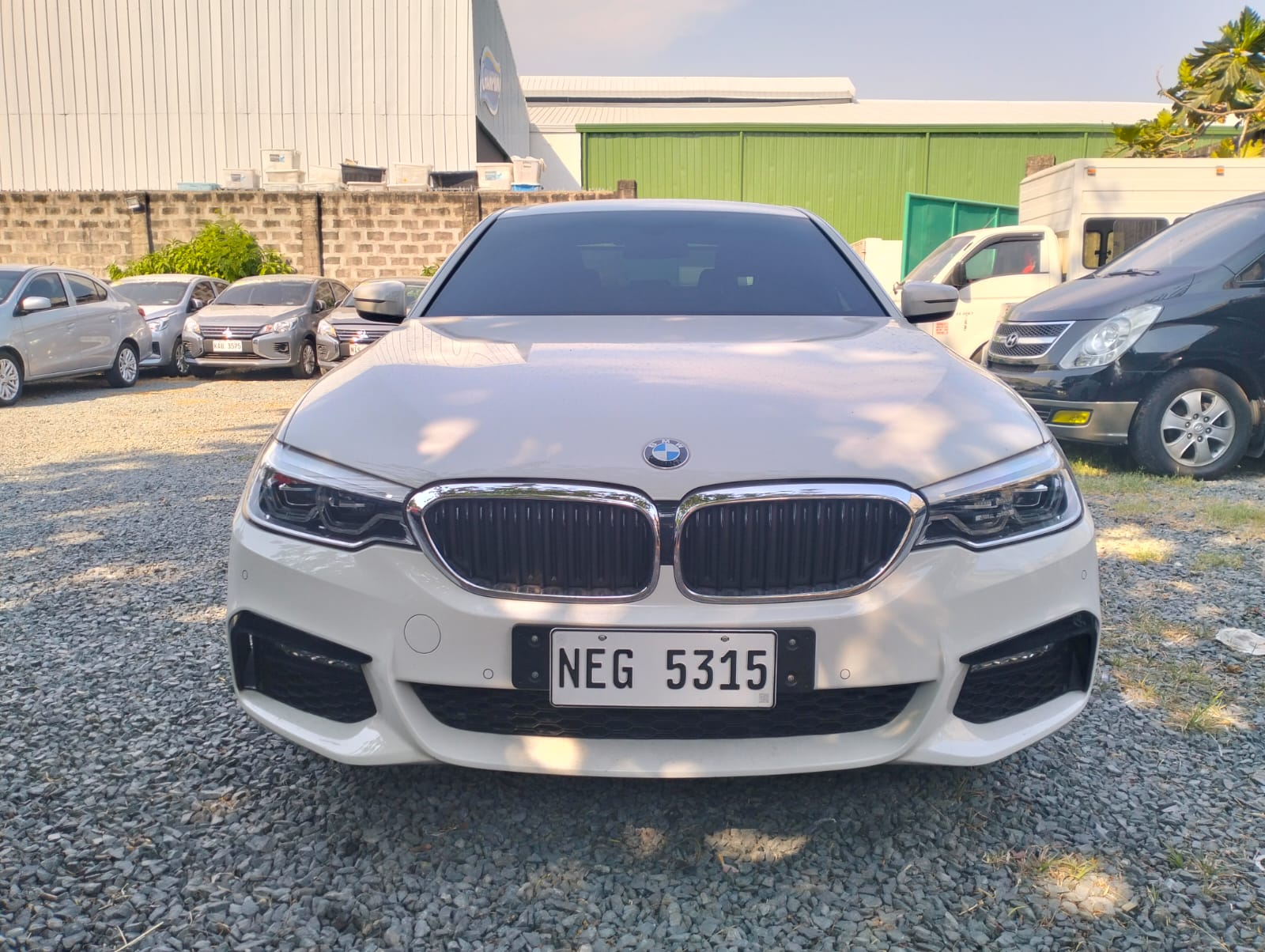
Every month a buyer walks onto our lot with a Vios budget and leaves having test-driven a BMW. That is not a sales trick; it is depreciation. Luxury cars in the Philippines lose value far faster than a Toyota or Mitsubishi, so by the time they are eight to twenty years old they can cost the same as a mass-market sedan.
This guide explains why that happens, walks through the seven premium and near-premium units we have in stock in October 2026 with real prices, and then covers the part most listings skip: what these cars actually cost to run, what to inspect, and how financing works on an older European car.
Why luxury cars depreciate so hard (and why that helps you)
Luxury cars lose a bigger share of their value in the first five years than mass-market cars because the pool of buyers who can pay full price is small and the fear of repair bills is large. Depreciation is simply the gap between what a car cost new and what it sells for today, and on a German sedan that gap is enormous.
Three things drive it in the Philippines. First, most luxury buyers want the current model, so a five-year-old 5 Series competes with a new one in the same showroom. Second, the second owner knows that a casa service visit costs several times a Toyota visit, and prices that in. Third, financing for older premium cars is harder to arrange, which shrinks the buyer pool again.
All of that is bad news for the first owner and good news for you. The car itself does not know it has depreciated: the leather, the sound insulation, the brakes and the crash structure are the same as the day it left the showroom. Our guide to used car depreciation in the Philippines shows the curve in detail; the short version is that you want to buy after the steep part and before the expensive part.
Our luxury units and prices in October 2026
As of October 2026 we have five premium-badge cars and two near-premium alternatives on the lot, ranging from ₱220,000 to ₱1,650,000, every one inspected with documents verified before listing. All are sold as-is, where-is through a private sealed offer, with full payment before release; our how it works page explains the process.
| Unit | Engine and layout | Mileage | Price (October 2026) | Who it suits |
|---|---|---|---|---|
| 2005 BMW 118i AT | 2.0 four-cylinder petrol, rear-wheel drive hatchback | See listing | ₱220,000 | A first premium car on a Vios budget |
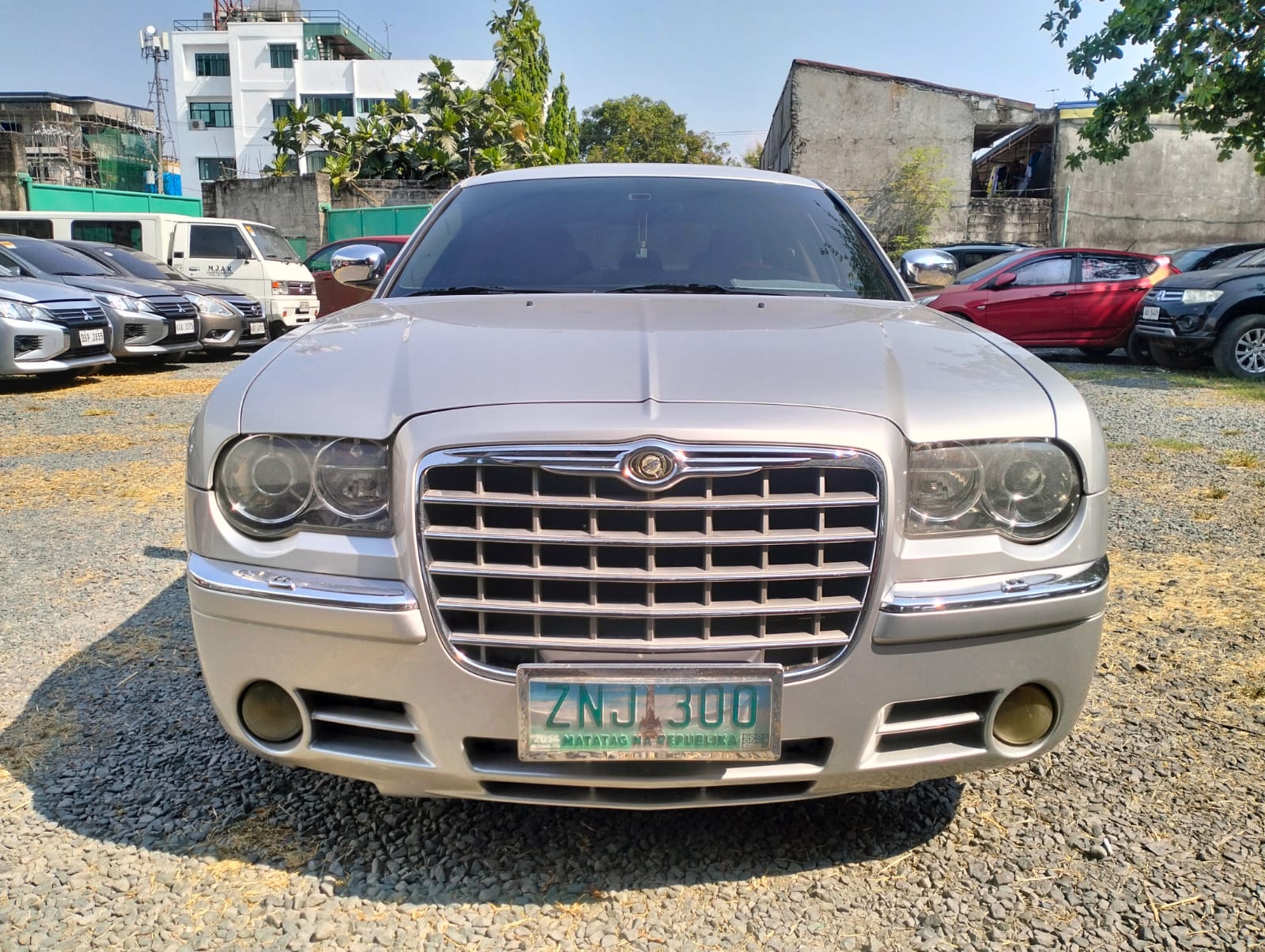
| 2008 Chrysler 300C AT | Large rear-wheel-drive sedan; engine per the CR | 43,622 km | ₱250,000 | Road presence for very little money |
| 2018 Toyota Camry 2.5G AT | 2.5 four-cylinder petrol, front-wheel drive sedan | See listing | ₱550,000 | Executive comfort with Toyota running costs |
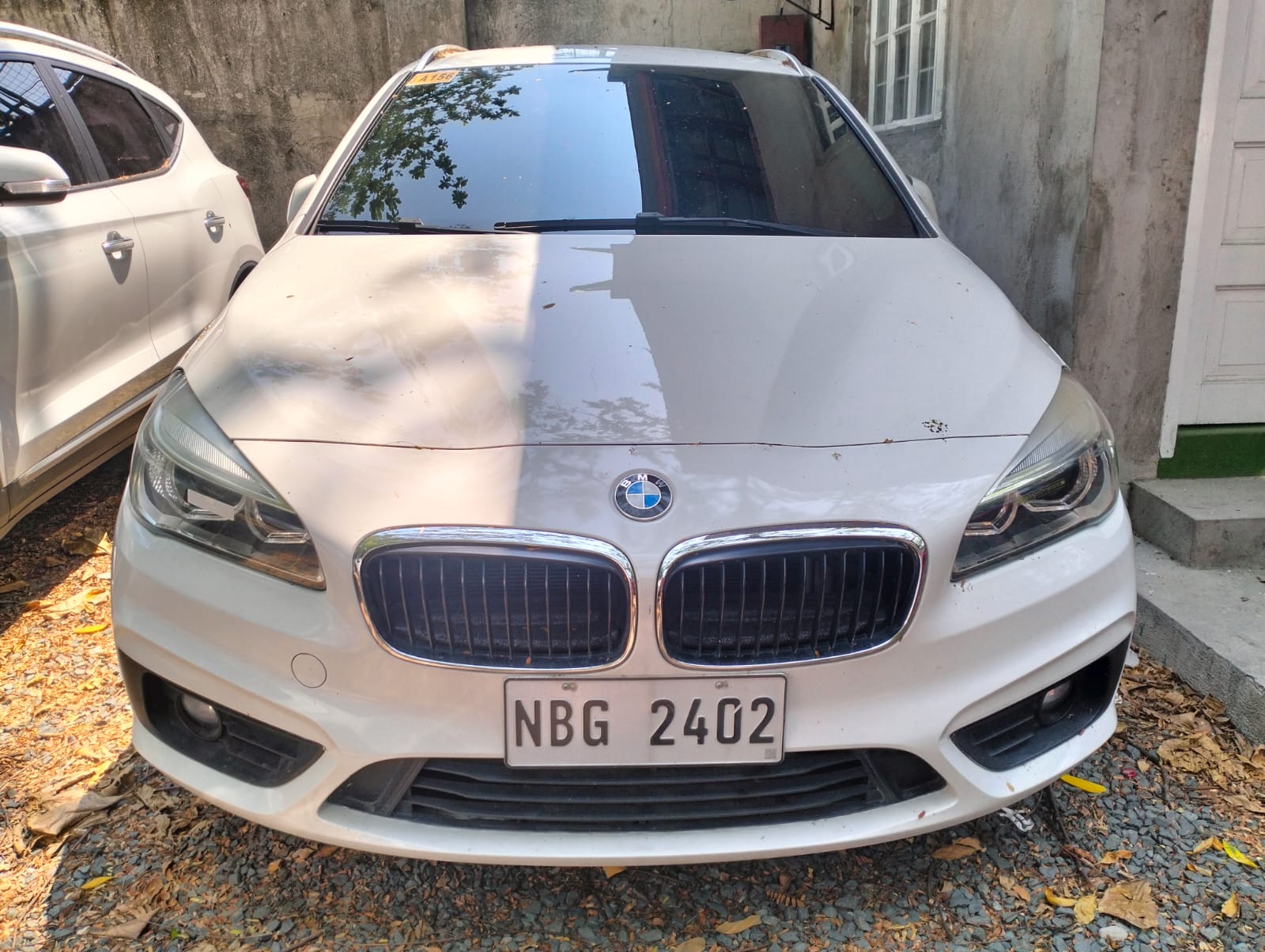
| 2018 BMW 218i AT | 1.5 three-cylinder turbo petrol, front-wheel drive | 75,432 km | ₱790,000 | The practical, efficient BMW |
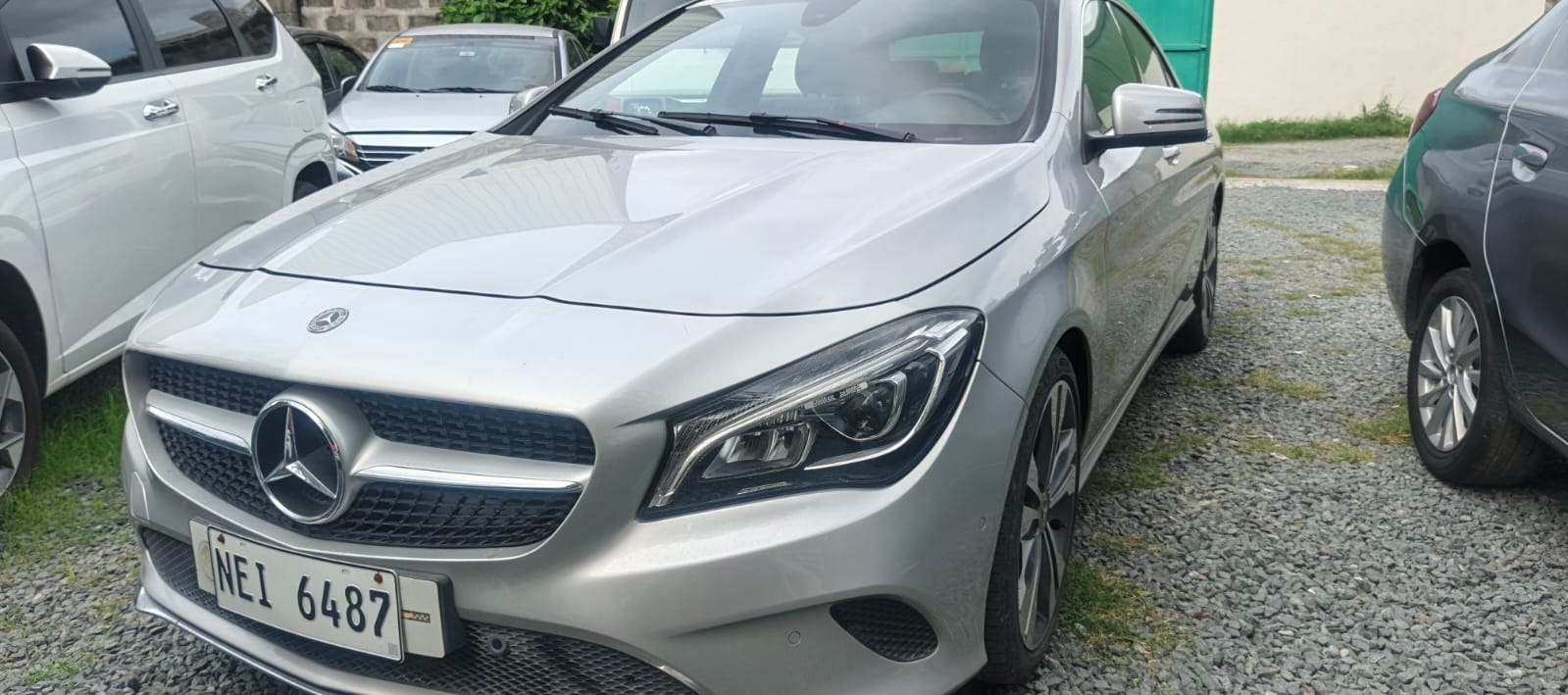
| 2018 Mercedes-Benz CLA 180 Urban | 1.6 turbo petrol, 7-speed dual-clutch, front-wheel drive | See listing | ₱1,100,000 | Style-first compact with the three-pointed star |
| 2018 BMW 520D AT | 2.0 turbodiesel, 8-speed automatic, rear-wheel drive | 35,451 km | ₱1,400,000 | The executive sedan that is cheap to fuel |
| 2023 Mazda MX-5 2.0 MT RF | 2.0 Skyactiv-G petrol, 6-speed manual, rear-wheel drive | See listing | ₱1,650,000 | The weekend car with Mazda reliability |
The spread tells the depreciation story on its own: a 2005 BMW 118i and a 2008 Chrysler 300C now cost less than a 2019 Vios, while the 2018 cars sit where a new Stargazer would. Stock changes weekly, so check the live search for BMW units and Mercedes-Benz units before you visit.
The real running costs: parts, casa vs independent shops
A used luxury car costs more to run than a Japanese sedan in every line except, sometimes, fuel, and the gap is widest at the casa. Casa maintained means the car was serviced at the brand's authorised dealership with a stamped record to prove it; it is the single most valuable phrase in a luxury listing, and also the most expensive way to keep the car going.
Expect a routine oil service at a BMW or Mercedes-Benz casa to cost a multiple of the equivalent Toyota visit, and brake pads, rotors, batteries that need coding, and tyres in larger or run-flat sizes to follow the same pattern. Those are the predictable costs. The budget-breakers are one-off repairs: a dual-clutch mechatronic unit, an electronic module, a cooling-system failure that took the engine with it.
Independent European specialists in Metro Manila close much of that gap. A good one uses the same diagnostic tools as the casa, sources original or OEM-equivalent parts, and charges considerably less for labour. Our rule for buyers: a casa history up to today is worth paying extra for, but once the car is yours, a trusted independent is the sensible way forward. Our guides on casa maintained meaning and the total cost of car ownership cover the arithmetic.
What to inspect on a used BMW or Mercedes
Inspect a used luxury car for the expensive failures first: the engine's cooling and oil systems, the transmission, and the electronics, because those are the items that separate a bargain from a money pit. The cosmetic checks you would make on any used car still apply, but they matter less here.
- Service history. Casa stamps, invoices or at least a consistent independent-shop record. Gaps around the big-ticket intervals are a warning.
- Cold start. Arrive before the engine has been warmed. Owners of 2010s BMW and Mercedes four-cylinders commonly report timing-chain rattle on cold start, and that is the moment it shows. Watch the exhaust for smoke and read our used car engine check guide first.
- Oil and coolant leaks. Owners commonly report valve-cover and oil-filter-housing seepage on BMW petrols and plastic cooling-system parts going brittle with age on both brands. Look under the car after it has idled for ten minutes.
- Transmission. Drive it long enough to get the fluid hot. A conventional automatic should shift cleanly; a dual-clutch like the CLA's 7-speed should not shudder from a stop or hunt at low speed.
- Electronics. Test every button, window, seat motor, sensor and the infotainment unit. A single faulty module can cost more than a set of tyres.
- Tyres, brakes and suspension. Mismatched budget tyres on a premium car tell you how the last owner treated the rest of it.
- Papers. Match the engine and chassis numbers on the CR to the car, confirm the OR is current, and check for an encumbrance, exactly as you would on any unit.
BMW vs Mercedes-Benz vs the rest
BMW is the better choice if you want to drive, Mercedes-Benz if you want to be driven, and the near-premium alternatives are the better choice if what you really want is comfort without the parts bills. Here is how the units on our lot fit that picture.
BMW. The 2005 118i is a rear-wheel-drive hatchback with a simple naturally aspirated four-cylinder; it is the cheapest way into the badge, and at this age condition is everything. The 2018 218i uses a small three-cylinder turbo driving the front wheels, which makes it the most economical and most practical BMW here. The 2018 520d is the one we would pick for an executive who drives a lot: a 2.0 turbodiesel with an 8-speed automatic, low mileage, and real fuel economy on the expressway. The Philippines has a deep BMW independent-specialist scene, so parts and know-how are easier to find than for most premium brands.
Mercedes-Benz. The 2018 CLA 180 Urban is a compact four-door coupe built on the A-Class platform, with a 1.6 turbo petrol and a 7-speed dual-clutch gearbox. It is the car for a buyer who wants the star and the styling more than rear-seat space. Owners commonly report that the dual-clutch needs its fluid service on time and that the ride is firm; the trade is a cabin that still looks current.
The rest. The 2008 Chrysler 300C is a big rear-wheel-drive American sedan with more presence per peso than anything else on the lot; the catch is that parts come through importers and take time, so it suits a patient owner. The 2018 Toyota Camry 2.5G is the quiet answer for many buyers: executive-class comfort and space with Toyota parts and servicing. The 2023 Mazda MX-5 RF is a different kind of luxury, a two-seat roadster with a folding hard top and a manual gearbox, bought for weekends rather than the school run.
Financing a used luxury car
Financing is available on our units from 1.40% per month add-on rate, subject to credit approval, plus a 6.95% one-time chattel and processing fee on the amount financed. The rate is an add-on rate, meaning interest is computed on the original amount financed for the whole term; our add-on vs effective interest rate guide shows what that means in pesos.
Two things are different about financing a premium car. Lenders assess the unit as well as the borrower, so an older European car may be looked at more closely than a late-model Vios, and the chattel fee scales with the amount financed, so it is a larger peso figure on a ₱1,400,000 car than on a ₱220,000 one. Ask us before you plan around a loan, and read the financing page for the full terms.
Our honest advice: if the only way to afford the car is to stretch the loan, buy the Camry instead. A luxury car on a thin budget becomes a parked luxury car at the first big repair. Buy the one you can run, not just the one you can finance.
FAQ: used luxury cars in the Philippines
Is a used luxury car worth it in the Philippines?
Yes, if you buy the right one. A used luxury car has already taken its biggest depreciation hit, so you get the build quality, safety and comfort at a fraction of the original price. It is only worth it when the service history is complete, the inspection is clean, and you keep a reserve for parts and labour that still cost luxury money.
How much is a used BMW in the Philippines?
On our Parañaque lot in October 2026, a 2005 BMW 118i is listed at ₱220,000, a 2018 BMW 218i with 75,432 km at ₱790,000, and a 2018 BMW 520d with 35,451 km at ₱1,400,000. Age, mileage, model and service history move the price more than the badge, so a well-kept older car can be the better buy.
Are parts and servicing expensive for a used luxury car?
Yes, relative to a Toyota or Mitsubishi. Routine casa servicing for a BMW or Mercedes-Benz typically costs a multiple of the equivalent Japanese-brand visit, and one-off repairs such as transmission mechatronics or electronics are the budget-breakers. Independent European specialists in Metro Manila narrow the gap considerably, which is why a reserve fund matters more than the purchase price.
What should I check before buying a used luxury car?
Service history first, then a cold start for leaks, smoke and timing-chain noise, a long test drive for transmission shifts and warning lights, a brand-specific diagnostic scan for stored fault codes, the cooling system, tyres and brakes, and every electronic feature. Finish with the OR/CR, engine and chassis numbers, and an encumbrance check before paying.
Which used luxury car is the most reliable?
The one with the most complete service history, because condition beats badge on cars this age. Among the units on our lot, diesel BMW 5 Series owners commonly report fewer issues than the small turbo petrol compacts, while a Toyota Camry or Mazda MX-5 gives executive comfort or driving fun with mass-market reliability and parts costs.