
Scroll through any used-car listing in Metro Manila and you will see the phrase "casa maintained" doing a lot of work. Sellers use it to justify a higher price, and buyers use it as a shortcut for "well cared for". Both are only half right.
This guide explains the casa maintained meaning in plain terms, how to check whether the claim is true, what a casa record does and does not tell you about the car in front of you, and when the premium is actually worth paying. It is written from how we read service histories on our own lot in Parañaque.
Casa maintained, defined
Casa maintained means the car's scheduled maintenance was carried out at the manufacturer's authorized dealership service center, following the factory service intervals, with each visit recorded. In Philippine car talk the "casa" is the brand's official dealership, so a Toyota serviced at a Toyota dealership is casa maintained; the same Toyota serviced at a talyer down the street is not, even if the work was excellent.
The phrase usually implies three things at once: the work followed the periodic maintenance schedule (PMS) in the owner's manual, the parts and fluids were the brand's genuine items, and there is a paper trail. Only the third can be checked from outside the car, which is why the records matter more than the label.
Most owners service at the casa during the first years of ownership, while the manufacturer's coverage still applies, then move to an independent shop once the car is older. "Casa maintained" therefore often means "casa maintained for the first few years", and the honest version of the phrase includes the mileage where the dealer stamps stop.
Why sellers love the phrase
Sellers lean on "casa maintained" because it signals care, costs nothing to say, and is hard to disprove on the spot. A buyer hears it and pictures a car that was never neglected, and the seller gets to ask for more without pointing to any specific repair or part.
It is also a convenient phrase because it is vague. It does not say until when, for which services, or whether anything was skipped. A car serviced at the casa for its first two visits and then driven 80,000 km without an oil change can still be described as casa maintained with a straight face.
None of this means the phrase is dishonest. Plenty of cars really were serviced at the dealership their whole life, and those cars are usually good buys. The point is that the phrase on its own carries no proof, so the burden is on the seller to show you the history and on you to read it properly.

How to verify it: service booklet, invoices, dealer records
You verify a casa-maintained claim by matching three sources against each other and against the odometer: the stamped service booklet, the dealer's official receipts or job orders, and the dealership's own service history.
- The service booklet. Every new car sold in the Philippines comes with a maintenance booklet. Each PMS visit should carry the dealer's stamp, the date, the mileage at service and often a job-order number. Read the mileage column from first to last: it should rise steadily and end close to the number on the odometer today.
- Official receipts and job orders. A stamp can be faked; a dealer receipt with the plate number, the itemised work and the tax details is much harder to fake. Ask for the last three or four visits at minimum, and check that the plate and chassis number on the paperwork match the OR/CR.
- The dealership's records. Dealers keep the service history in their system under the chassis number. They normally release it only to the registered owner, so ask the seller to request a printout or a screenshot from the service advisor. A seller who is telling the truth has no reason to refuse.
- Physical clues. Look for the PMS reminder sticker on the windshield or door jamb, the dealer's oil-change sticker, and genuine-parts boxes or filters still in the glovebox. These support the paper trail but do not replace it.
The mileage check is the one that catches most problems. If the booklet shows 45,000 km at the last stamp two years ago and the odometer reads 48,000 km today, either the car barely moved or the odometer has been rolled back. Our guide on odometer tampering signs walks through how service records expose it.
What casa maintained does and does not tell you
A genuine casa history tells you the routine work was done on time with genuine parts; it tells you nothing about accidents, floods, or how the car was driven between visits.
What a full dealer record does confirm:
- Oil, filters and fluids were changed at the factory intervals, which is the single biggest factor in long engine and transmission life.
- The mileage has a documented trail, which is your best defence against a rolled-back odometer.
- Recalls and service campaigns were likely carried out, since dealers apply them during PMS visits.
- The previous owner was the kind of person who spends money on maintenance, which usually shows elsewhere in the car too.
What it does not confirm:
- Accident history. Body repairs are often done at insurance-accredited shops, not the casa, and never appear in the PMS booklet.
- Flood exposure. A flooded car can be dried, cleaned and then serviced at the dealership as if nothing happened.
- Hard use. Dealer stamps do not record overloading, skipped warm-ups or years of stop-start EDSA traffic.
- Current condition of wear items. Tyres, brake pads, battery and the aircon are judged by inspection and a test drive, not by a stamp.
So treat casa maintained as one input, not the verdict. Run the same used car engine check and documents checklist you would run on any other car.
Casa vs trusted independent shop
For the car's health, a competent independent mechanic using the right parts and intervals is just as good as the casa; the casa's real advantages are the records and the brand-specific tools.
Casa service in the Philippines generally costs more per visit than an independent shop because of higher labour rates and genuine-parts pricing, and the wait for a slot can be long. In exchange you get a technician trained on that model, the brand's diagnostic tools, genuine parts by default, and a history the next buyer can verify. A trusted talyer gives you lower bills, flexibility on parts and a mechanic who knows your car personally, at the cost of a thinner paper trail.
| Factor | Casa (authorized dealership) | Trusted independent shop |
|---|---|---|
| Cost per visit | Generally higher: dealer labour rates and genuine-parts pricing | Generally lower: flexible labour, choice of genuine or aftermarket parts |
| Parts used | Genuine by default | Owner's choice; quality depends on the shop |
| Records | Booklet stamp, official receipt, dealer database under the chassis number | Usually a handwritten receipt, sometimes nothing |
| Brand know-how | Model-specific training and diagnostic tools | Varies; strong on common models like the Vios and Mirage G4, weaker on rare ones |
| Recalls and campaigns | Applied during the visit | Not applied unless you bring the car to the casa |
| Resale perception | "Casa maintained" supports the asking price | Neutral, unless the receipts are complete |
| Best for | Newer cars, complex models, keeping a verifiable history | Older cars, budget ownership, out-of-coverage repairs |
The best used cars we see often have both: casa stamps for the first 40,000 to 60,000 km, then a folder of receipts from one trusted shop. That combination shows an owner who cared about the car and about proof.
Is the premium worth it?
A casa-maintained premium is worth paying only when the records are complete, recent and consistent with the odometer, and the car passes your own inspection; otherwise it is worth nothing.
Think of it by age. On a two- to four-year-old car, a full dealer history is realistic to expect and genuinely reduces your risk, because most of the car's life is documented. On an eight- to ten-year-old car, "casa maintained" usually describes the first few years only, and what happened in the years after matters far more. In that case a thick folder of recent independent-shop receipts beats early casa stamps.
Weigh it against the alternatives, too. A documented history lowers the chance of a hidden maintenance debt, but it does not remove the need for a cold-start check, a test drive and a look underneath. If two similar units are priced apart and the only difference is the phrase, buy the one you inspected more thoroughly, not the one with the better story. Our guide to high mileage vs old car covers how age and kilometres wear a car differently, which is the real question behind any premium.
A fair way to use the records is in your offer. When the history is complete and the car checks out, you can reasonably pay toward the top of the market range for that model and year. When the history is missing, price the car as if the next service is due now, because it probably is. Our list of the most reliable used cars in the Philippines shows which models forgive a patchy history best.
Units in stock: ask for the records at viewing
We do not label any unit as casa maintained, because service history depends on the previous owner and we would rather you check the paper yourself than trust a phrase from us.
What we do is inspect every unit and verify its documents before listing, and sell every car as-is, where-is on a private sealed offer. Whatever service records came with the car, from a booklet to a stack of receipts, are there for you to read at the viewing. Bring the checks from this guide, compare the stamps to the odometer, and build what you find into your offer.
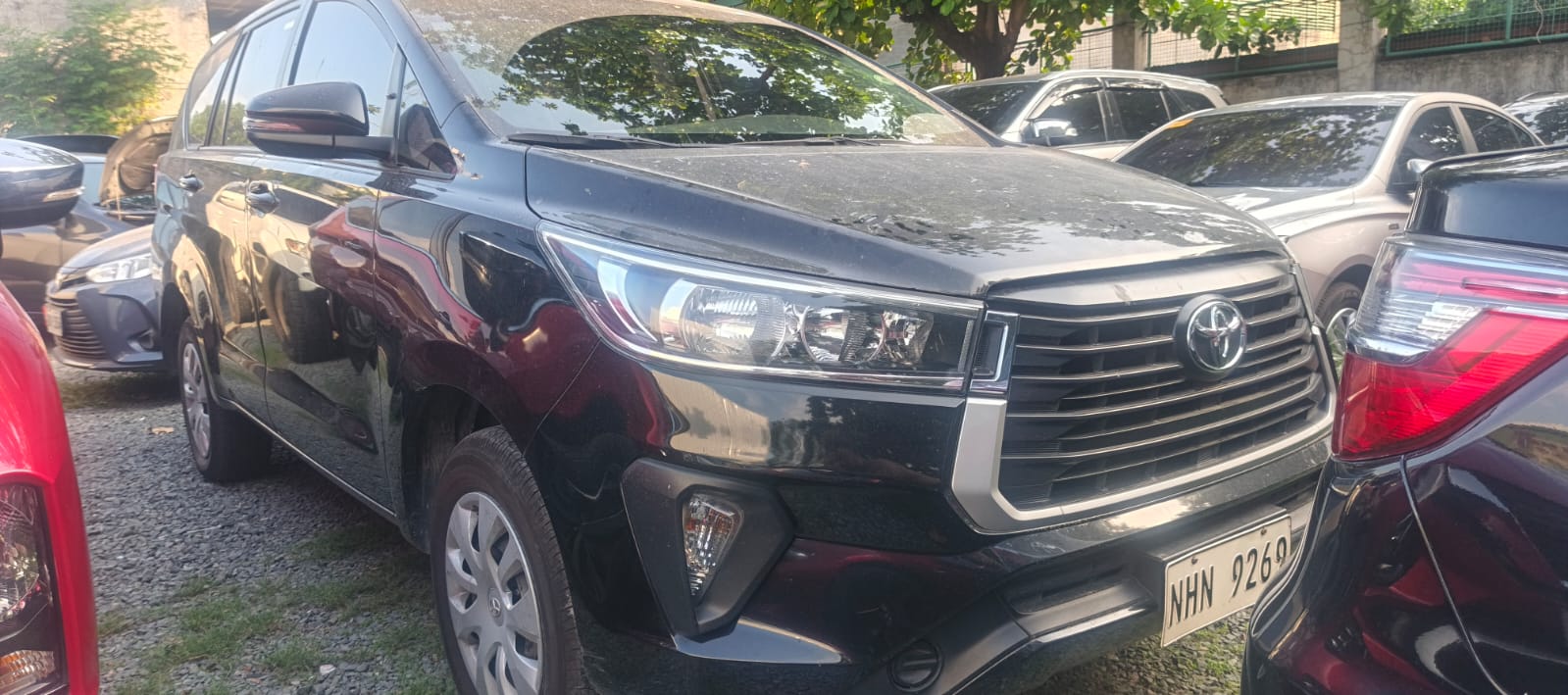
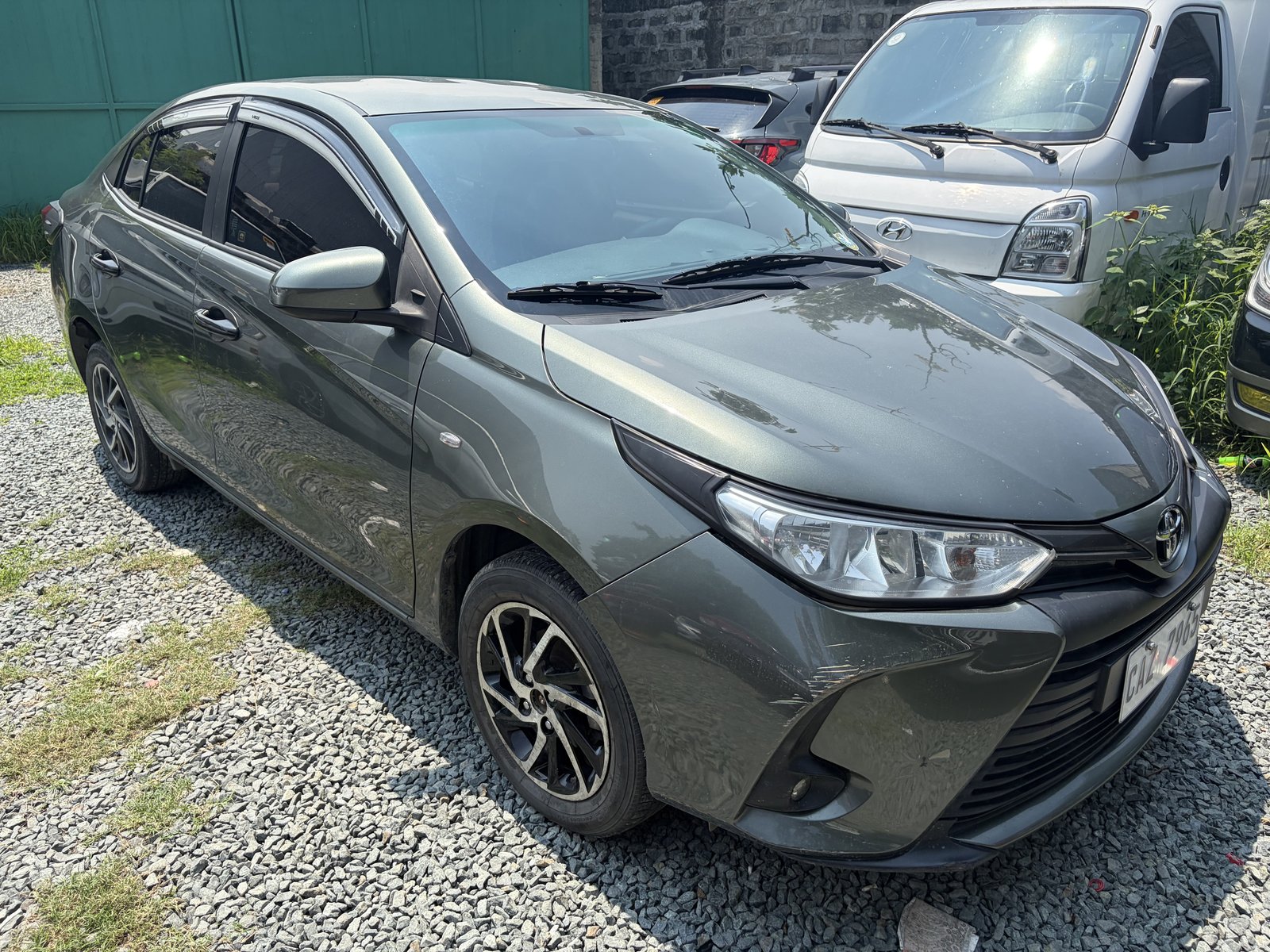
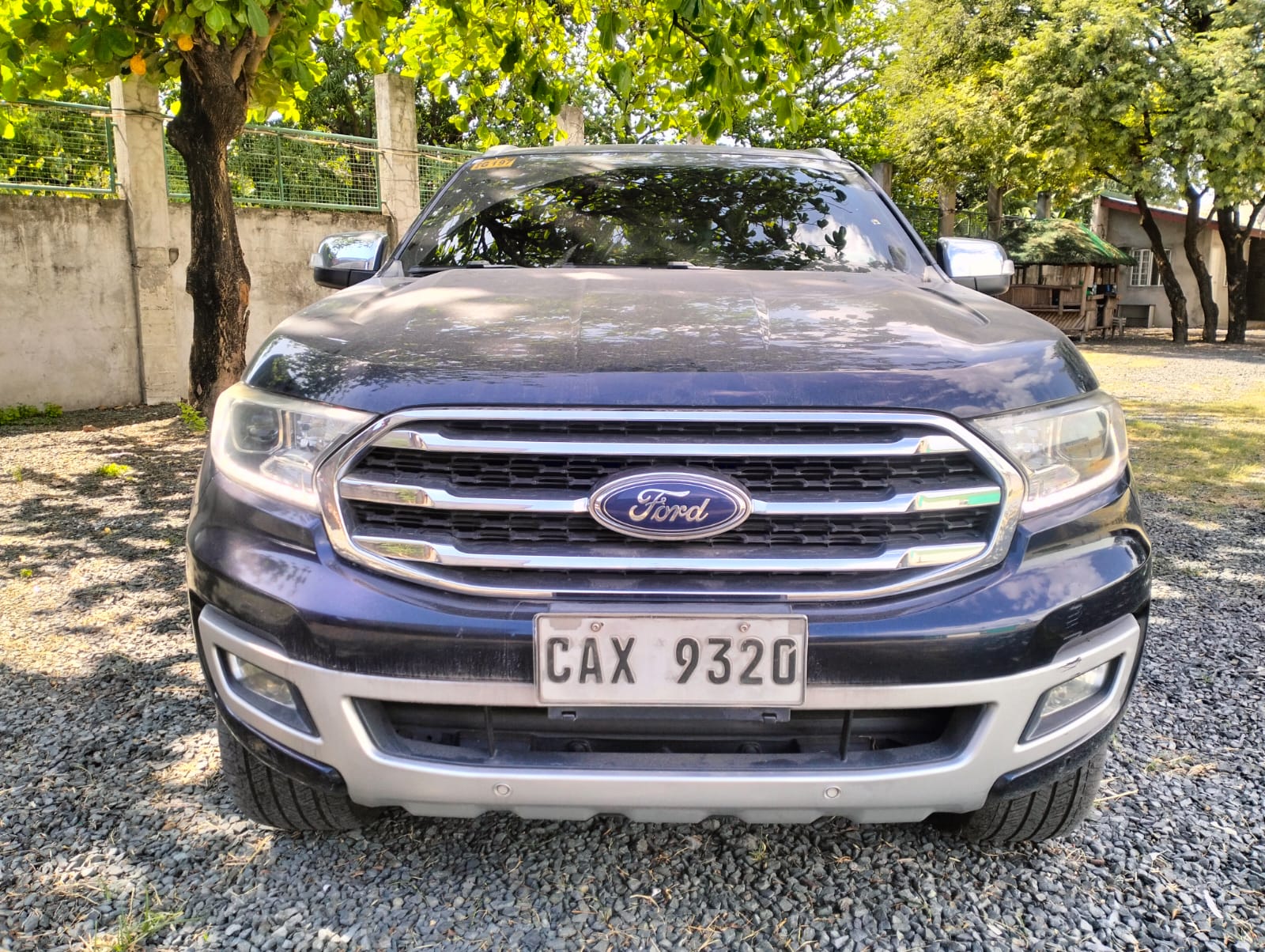
A few units worth starting with: the 2025 Toyota Innova 2.8 XE AT, the 2024 Hyundai Stargazer GL IVT, the 2023 Toyota Vios 1.3 XLE CVT and the 2022 Ford Everest Titanium AT. Browse all Innova units or the full lot, read how buying works, then book a viewing. Viewings and test drives are by appointment, Monday to Saturday, 9 AM to 6 PM, at our lot in Vitalez Compound, Parañaque City.
FAQ: casa maintained questions buyers ask
What does casa maintained mean?
Casa maintained means the car's periodic maintenance was done at the brand's authorized dealership service center in the Philippines, following the factory schedule, with each visit stamped in the service booklet and recorded by the dealer. It implies genuine parts and on-time servicing, but the phrase proves nothing by itself; the stamps, receipts and dealer records do.
How do I verify that a car is really casa maintained?
Ask for the service booklet and check that every stamp carries a dealer name, date and mileage that rise in order and end near today's odometer reading. Then ask for the dealer's official receipts for the last few visits and, ideally, a service-history printout from the dealership. If the mileage trail breaks or the paperwork is missing, treat the claim as unproven.
Is a casa maintained car worth paying more for?
Only when the records are complete, recent and consistent with the odometer, and the car passes your own inspection and test drive. On a two- to four-year-old car a full dealer history genuinely lowers your risk. On an older car, early casa stamps matter less than recent receipts from a trusted shop, so pay for proof, not for the phrase.
Is casa maintenance better than a trusted mechanic?
Not for the car's health. A competent independent shop using the correct parts and intervals keeps a car just as reliable. The casa's real advantages are model-specific tools, genuine parts by default, recalls applied during visits and a verifiable paper trail, which helps at resale. The trade-off is a higher cost per visit and longer waits for a service slot.
Does casa maintained mean the car has no problems?
No. Dealer stamps confirm routine servicing, not the car's full history. Accident repairs are usually done at body shops, flood damage can be cleaned before a service visit, and wear items like tyres, brakes, battery and aircon are judged by inspection. Always do a cold-start engine check, a test drive and a document check regardless of the service history.