
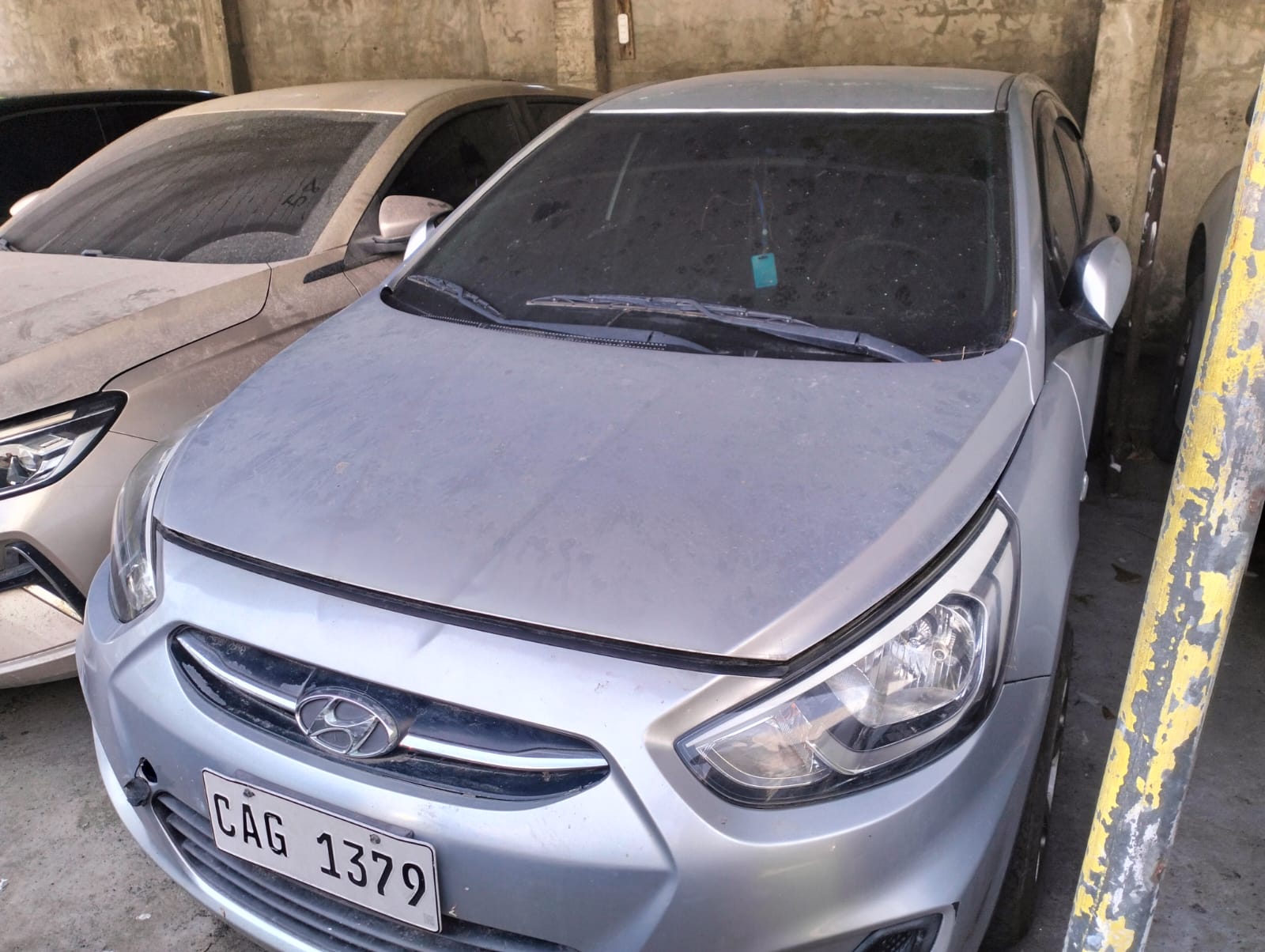
The Hyundai Accent never had the Vios's badge power, and that is exactly why it is worth a look on the used market. For years it sold as the roomier, better-equipped alternative that cost less, and that gap is even wider second-hand.
This guide covers the generations sold here, what a used Accent costs in October 2026, the gas-versus-diesel decision, the checks that matter at the viewing, and how it stacks up against the Vios, City and Almera, written from how we inspect and price these cars at our Parañaque lot.
The Accent at a glance: PH generations and variants
The Hyundai Accent sold in the Philippines is a subcompact sedan (and briefly a hatchback) that spent its whole life undercutting the Toyota Vios and Honda City on price while offering a slightly larger cabin. Three generations matter on the used market today.
- Third generation (roughly 2006–2010). Remembered for the 1.5 CRDi diesel that made it a taxi favourite. Most survivors have had a hard life; treat them as budget transport only.
- Fourth generation, code RB (2011–2019). The bulk of used stock. The sedan launched with a 1.4-litre gasoline engine (around 100 PS) and a 6-speed manual or 4-speed automatic; a 1.6 CRDi turbodiesel (around 128 PS and 260 Nm) followed, and a 5-door diesel hatchback joined around 2013. A facelift around 2015 brought a new grille and bumpers.
- Fifth generation (2019 onward). Sharper styling, same 1.4 gas and 1.6 CRDi choices. Fewer were sold before the nameplate left the local line-up, so they are rarer and pricier used.
RB is Hyundai's internal code for the fourth-generation Accent; you will see it in parts catalogues and owner groups. The common PH trim was GL, so listings read "1.4 GL Gas AT", "1.6 GL CRDi MT" or, as on our unit, simply "Gas AT".
Used Hyundai Accent prices in October 2026
In October 2026 a clean 2017 Hyundai Accent 1.4 Gas AT is listed at ₱170,000 on our lot, which makes it the cheapest automatic sedan we currently have. For context, our 2019 Toyota Vios 1.3 E MT is listed at ₱250,000 and our 2018 Nissan Almera 1.5 E MT at ₱265,000, and both are manuals.
That gap is the whole argument for the Accent: for less than the money of a manual Vios two years newer, you get an automatic with a roomier back seat. What moves an Accent's price, in order: year model, gas versus diesel (diesel automatics command a premium from high-mileage drivers), mileage and service history, and whether the car spent time as a taxi or ride-hailing unit.
Prices move with stock, so treat any number online as a snapshot and search our live Accent listings for what is on the lot this week.
1.4 gasoline vs 1.6 CRDi diesel
Pick the 1.4 gasoline if you drive mostly inside Metro Manila and want the lowest purchase and repair bills; pick the 1.6 CRDi only if you cover long expressway or provincial distances every week. Here is how the two differ in daily ownership.
1.4 gasoline (Gamma MPI)
- Simple, naturally aspirated engine with a timing chain rather than a belt, so there is no scheduled belt replacement to budget for.
- Quieter and smoother at idle than the diesel, which matters in stop-and-go traffic.
- Owners commonly report around 8–11 km/L in heavy city traffic and the mid-teens on the highway.
- Adequate rather than quick: a full load up a steep ramp will have the 4-speed automatic hunting for gears.
1.6 CRDi turbodiesel
- Around 260 Nm of torque makes overtaking on SLEX or NLEX effortless, and it pulls a loaded cabin without strain.
- Owners commonly report low-to-mid teens km/L in the city and around 18–20 km/L on a steady highway run.
- Sensitive to fuel quality and skipped fuel-filter changes; injectors, the turbo and the high-pressure pump are expensive if neglected.
- The most common ex-taxi engine, so history checks matter more on a diesel.
A serviced-on-time gasoline Accent is the lower-risk buy for a first-time owner. A diesel makes sense for a Cavite or Laguna family commuting into the city daily, where the fuel savings add up. If fuel cost is your main driver, our guide to the most fuel-efficient used cars in the Philippines puts the Accent next to the Mirage and Vios.
What to check on a used Accent
Spend your inspection time on the cold start, the automatic, the aircon and any evidence of taxi or flood life, because that is where an Accent's real problems hide. Bring our test-drive checklist and work through these in order.
- Cold start. Ask that the car not be warmed up before you arrive. Listen for rattles on the gas engine, hard starting or smoke on the diesel.
- Automatic shifts. The 4-speed should shift from first to second without a thump and never flare between gears.
- Aircon. Owners commonly report compressors and condensers giving up in our heat. Run it at full for ten minutes; it should stay cold at idle.
- Steering and suspension. Turn lock to lock at a standstill and drive a rough side street; column and strut clunks are common high-mileage wear items.
- Engine mounts. With the car in Drive and your foot on the brake, a shudder through the cabin often points to worn mounts.
- Flood signs. Lift the carpets and check seat rails and under the dash for silt or rust; our flood-damage guide has the full list.
- Papers. Match the CR's engine and chassis numbers to the stampings on the car and confirm the OR is current.
Running costs, parts and servicing
An Accent is cheap to keep: parts are plentiful through Hyundai dealers and the aftermarket, and any independent shop can service the 1.4 without special tools. A gasoline Accent's routine costs are close to a Vios's; a diesel's are a step higher because of fuel filters, injector care and turbo-related parts.
Budget for the usual wear items first: brake pads, tyres, a battery, aircon service, belts and hoses. Keep oil changes frequent if the car lives in traffic, since idling hours matter more than kilometres, and on diesels change the fuel filter on schedule.
Comprehensive insurance is priced off the car's value, so a sub-₱200k Accent is inexpensive to cover, and annual LTO renewal is a process rather than a big bill; our registration renewal guide walks through it. If you are financing, loans through our lending partners start from 1.40% per month add-on rate, subject to credit approval, plus a 6.95% one-time chattel/processing fee on the amount financed; see financing.
Accent vs Vios vs City vs Almera
The Accent wins on price and cabin space, the Vios on resale and parts ubiquity, the City on engine and refinement, and the Almera on rear legroom for the money. The table uses our own October 2026 units, so every number is real.
| Hyundai Accent (RB) | Toyota Vios | Honda City | Nissan Almera | |
|---|---|---|---|---|
| Engines sold in PH | 1.4 gas; 1.6 CRDi diesel | Mostly 1.3 gas; some 1.5 | 1.5 gas across the range since 2014 | 1.5 gas (1.2 on some base units) |
| Transmissions | 6-speed MT; 4-speed AT | MT; 4-speed AT, CVT from 2016 | MT on older units; CVT from 2014 | 5-speed MT; 4-speed AT |
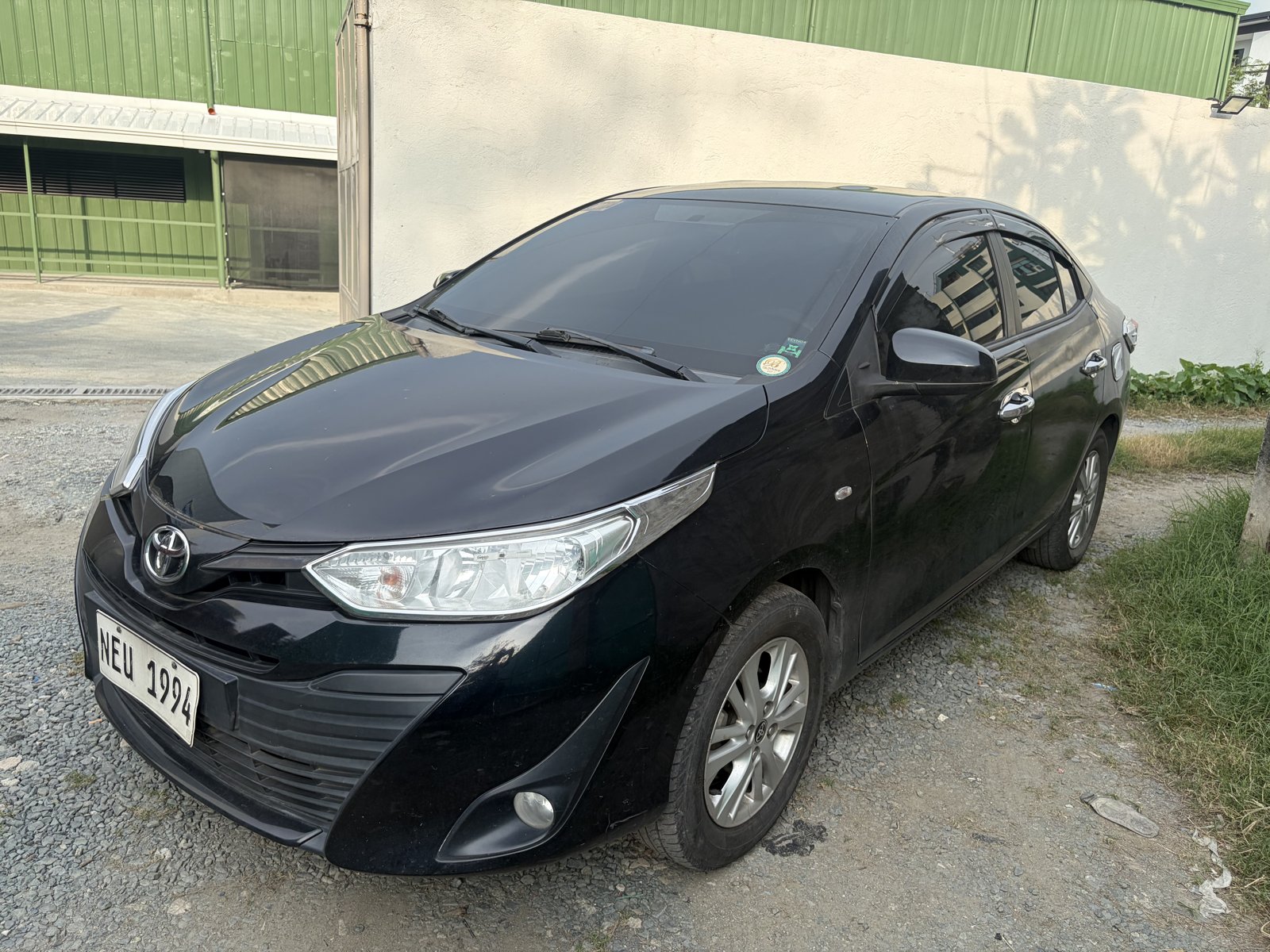
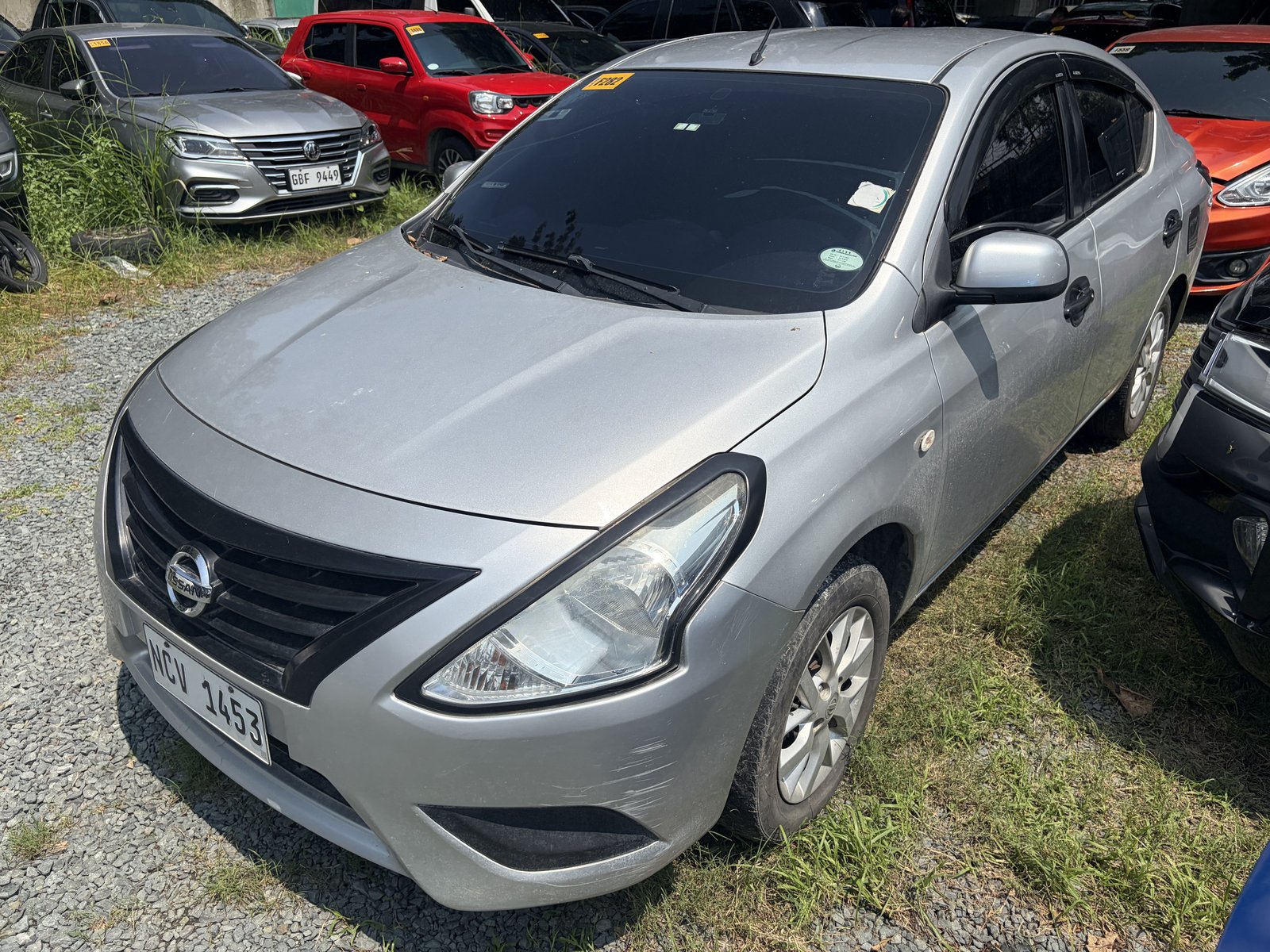
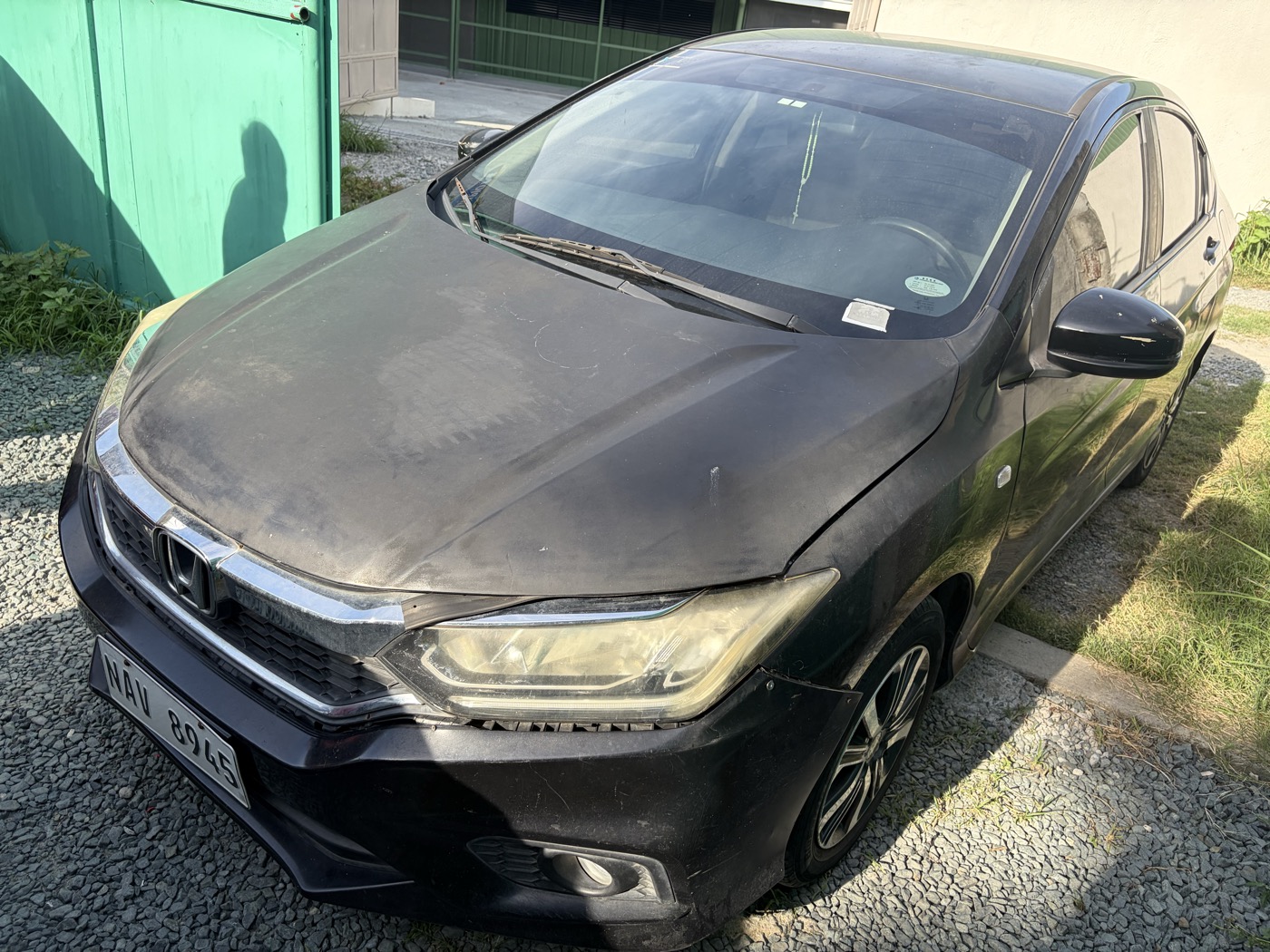
| Our unit (October 2026) | 2017 Gas AT, ₱170,000 | 2019 1.3 E MT, ₱250,000 | 2018 1.5 VTEC AT, ₱381,000 | 2018 1.5 E MT, ₱265,000 |
| Strength | Lowest price for an automatic; roomy cabin | Resale value; parts everywhere | Strongest engine; refined cabin | Big rear legroom and boot |
| Watch-out | Slower resale; ex-taxi diesels | Many ex-taxi units; tight rear seat | Higher price; CVT fluid history | Basic cabin; fewer units around |
For a deeper look at the two main rivals, read our used Toyota Vios buying guide and used Honda City buying guide. If your budget is firm, the Accent also features in our best first cars under ₱300k.
Our Accent in stock
As of this writing we have one Accent at the lot: a 2017 Hyundai Accent Gas AT in silver, listed at ₱170,000 (October 2026), the 1.4 gasoline automatic we recommend for city buyers. Like every unit we sell, it was inspected and its documents verified before listing.
Book a viewing and test drive (Mon–Sat, 9 AM–6 PM, by appointment), then send a private offer; it is never shown to other buyers and we confirm, counter or accept. Every car is sold as-is, where-is, with full payment before release, and the OR/CR and transfer documents follow 2–4 weeks after full payment; see how it works. If this unit has sold, check the live Accent search, and if you have an Accent to let go, we buy cars too.
FAQ: used Hyundai Accent in the Philippines
Is the Hyundai Accent a good used car in the Philippines?
Yes, if you buy the right one. The 2011 to 2019 RB Accent is a simple, roomy subcompact that usually sells for less than an equivalent Toyota Vios, and Hyundai parts are widely available in the Philippines. The trade-offs are slower resale and, on diesels, a higher chance of a hard taxi life. Buy on condition and history, not year alone.
How much is a used Hyundai Accent in the Philippines?
It depends on year, engine and history, so use live listings rather than a rule of thumb. On our Parañaque lot a 2017 Hyundai Accent Gas AT is listed at ₱170,000 (October 2026), the cheapest automatic sedan we have, while a 2019 Toyota Vios 1.3 E MT sits at ₱250,000. Diesel automatics and later years cost more.
Gas or diesel Hyundai Accent: which is better to buy used?
Choose the 1.4 gasoline for Metro Manila driving: it is simpler, quieter and cheaper to repair, and parts are everywhere. Choose the 1.6 CRDi diesel only if you drive long expressway or provincial distances every week, because its torque and economy advantage comes with pricier injector, turbo and fuel-system repairs when something fails.
What are the common problems of a used Hyundai Accent?
Owners commonly report aircon components wearing out in our heat, steering and suspension noises on high-mileage cars, worn engine mounts and, on diesels, injector and turbo issues linked to poor fuel and skipped filter changes. None are unusual for the class. The bigger risks are ex-taxi units and flood history, which an inspection can catch.
Hyundai Accent vs Toyota Vios: which holds its value better?
The Toyota Vios holds its value better in the Philippines. Demand from taxi fleets, ride-hailing drivers and first-time buyers keeps used Vios prices firm. The Accent loses value faster, which hurts you as a seller but helps you as a buyer: you get a similar-sized, often better-equipped sedan for noticeably less money up front.