
An OFW buyer is usually not in the Philippines when the car is bought. The car is for a spouse, a parent or a business back home, and the question is always the same: how do I do this without getting burned from thousands of kilometres away? This guide answers it step by step, and where a rule comes from a government agency we say so and tell you to confirm it first.
Can you buy from abroad? Yes, with a representative
You can buy a car in the Philippines while working abroad, as long as someone you trust is physically in the country to inspect the car, sign the deed of sale on your behalf and handle the LTO transfer.
What needs a body in the room is the inspection, the test drive, the signing and the release of the unit. Choosing, negotiating and paying you can do from wherever you are posted. At RideAgain we sell on private offers and release only after full payment, so the remote part is simple: you send the offer, we confirm, counter or accept, you pay, and your representative collects. The how it works page covers the flow.
Choosing your representative
Your representative should be a person you trust with money and paperwork, who can take a weekday morning off to visit a lot and an LTO office, and who will tell you the truth about a car you have already fallen for in photos.
A spouse, parent or sibling is the usual choice. Ask the harder question: will this person check the engine stampings against the CR and walk away if they do not match, or sign because you are waiting on the phone? If it is the second, send someone who knows cars to the viewing with them.
The SPA names your representative as your attorney-in-fact, the legal term for the person authorised to act for you. Give them the listing link, the plate number and our used car documents checklist so they know what to ask for at the lot.
The SPA and apostille or consular steps
A Special Power of Attorney (SPA) is a notarised document that authorises your representative to do specific acts for you, such as signing the deed of sale, receiving the vehicle and processing the LTO transfer, and because you are signing it abroad it must be either acknowledged at a Philippine consulate or apostilled in your host country.
As of October 2026, two routes exist. Confirm the current requirements with your nearest Philippine embassy or consulate before you go, because forms, fees and witness rules differ from post to post.
Route 1: consular acknowledgement. You appear in person at the Philippine embassy or consulate, sign the SPA in front of a consular officer, show your passport or a valid ID, and pay the notarial fee; several posts also require two witnesses. The document comes back with an Acknowledgement cover page and seal, ready for use in the Philippines.
Route 2: apostille. The Philippines has been a party to the Apostille Convention since 14 May 2019, according to the Department of Foreign Affairs. If your host country is also a party, you can sign the SPA before a local notary there and have it apostilled by that country's competent authority, with no consulate visit. A handful of countries did not accept the Philippines' accession, so ask the consulate whether the route works from where you are.
| Consular acknowledgement | Apostille | |
|---|---|---|
| Where you sign | At the Philippine embassy or consulate, in front of a consular officer | Before a local notary in your host country |
| Who certifies it | The Philippine consular officer (Acknowledgement page and seal) | Your host country's apostille authority |
| When it applies | Any country with a Philippine post | Only if your host country is an Apostille Convention party that accepted the Philippines' accession |
| Typical extras | Personal appearance, valid ID, witnesses at some posts, notarial fee | Local notary fee plus apostille fee; no consulate visit |
| Confirm with | Your nearest Philippine embassy or consulate | Your nearest Philippine embassy or consulate |
Write the SPA specifically: name the representative and state that it covers buying a motor vehicle, signing the deed of sale, paying for and receiving the unit, and processing registration and transfer with the LTO. If you plan to finance, add the authority to sign loan papers. A general SPA that never mentions a vehicle may be questioned at the LTO or by a lender.
Choosing the car remotely
Choose the car the way you would in person, just in a different order: shortlist from listing photos, video call the lot with your representative, then send them to inspect and drive it before any money moves.
Our listings show plate, variant, mileage and price up front, so you can shortlist from abroad. Search by model, for example every Stargazer in stock, and send the links to your representative.
On the video call, ask for the things photos hide: a cold start, the engine bay with the hood open, the tyres, and the OR/CR held up to the camera. Then have your representative visit by appointment through rideagain.ph/schedule, match the engine and chassis numbers to the CR digit by digit, check the OR is current and the CR carries no unreleased encumbrance, and drive it. A video call screens; it does not replace the visit.
Paying from abroad and keeping a paper trail
Pay the seller directly from your own account whenever possible, keep every confirmation, and insist on a written acknowledgement of each payment, because a clean paper trail is what protects you if anything is disputed later.
Routing money through your representative's account adds a step where things can go wrong, and it blurs who the buyer is. At RideAgain, full payment is required before the unit is released; ask us which payment channels apply to your unit before you remit.
Keep one folder with the transfer confirmations, the seller's acknowledgement, the SPA, the deed of sale and photos of the OR/CR at handover, and email the scans to yourself.
Registration and the OR/CR name
The Certificate of Registration goes in the buyer's name, which is you, not your representative, even though your representative is the one who signs the deed of sale as your attorney-in-fact and files the transfer.
The deed of sale names you as the buyer and your representative signs "for and on behalf of" you under the SPA. The SPA forms part of the transfer file at the LTO, which is why it should state registration and transfer explicitly. Our guide on LTO transfer of ownership covers the documents in order.
At RideAgain, the OR/CR and transfer documents are released 2 to 4 weeks after full payment. Make sure your representative, not a third party, collects them, and that the CR shows your name.
Financing as an OFW
An OFW can apply for used car financing in the Philippines, but expect the lender to ask for proof of overseas employment and income, a Philippine-based contact, and an SPA that specifically authorises your representative to sign loan documents.
Through our lending partners, financing is available from 1.40% per month add-on rate, subject to credit approval, plus a 6.95% one-time chattel and processing fee on the amount financed. Tenor is flexible and assessment is fast, but each lender decides OFW applications on its own criteria, so ask before you shortlist a unit that depends on a loan.
Weigh the add-on rate honestly: paying cash for a slightly cheaper unit often beats financing a dearer one, because add-on pricing makes the effective rate higher than the headline. Read car loan requirements in the Philippines and the financing page before you decide.
Family-friendly units in stock
The units that fit most OFW families are the practical ones: a Vios or Mirage G4 for daily errands, a Stargazer or Innova when there are grandparents and kids, and a pickup when the money is going home to a farm or a small business.
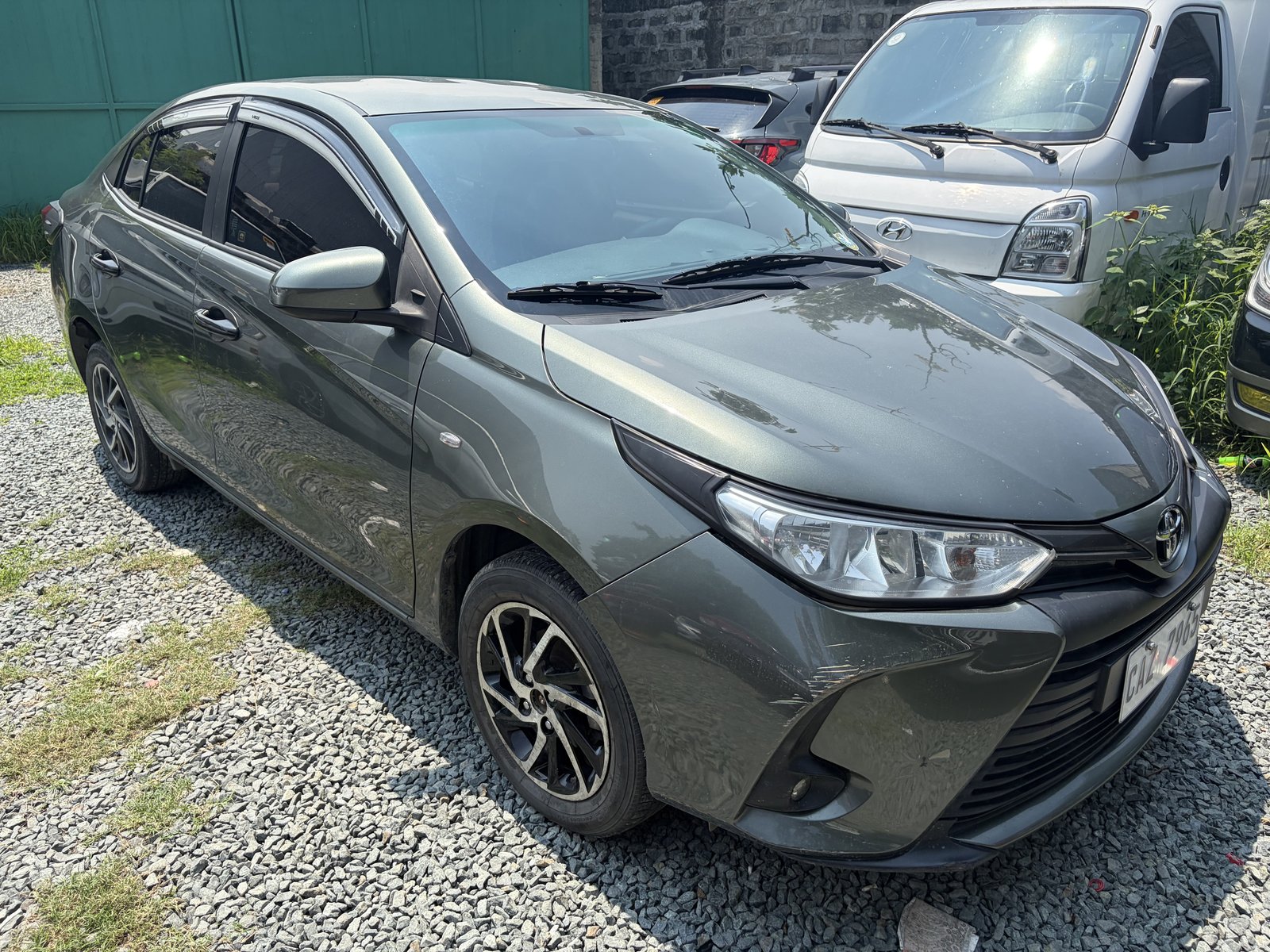
- 2023 Toyota Vios 1.3 XLE CVT, 25,454 km, listed at ₱495,000 (October 2026)
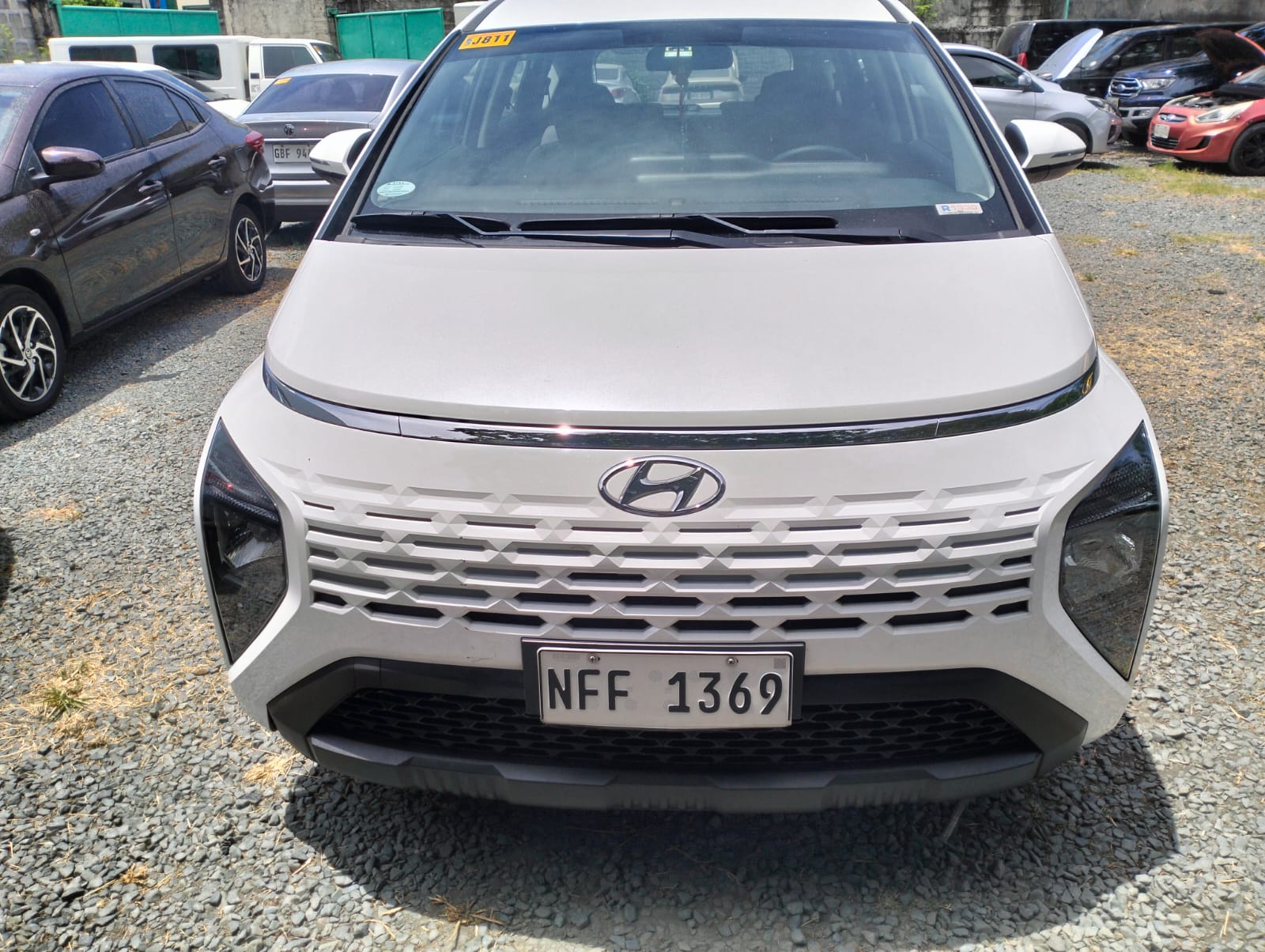
- 2024 Hyundai Stargazer GL IVT, 38,851 km, listed at ₱570,000 (October 2026)
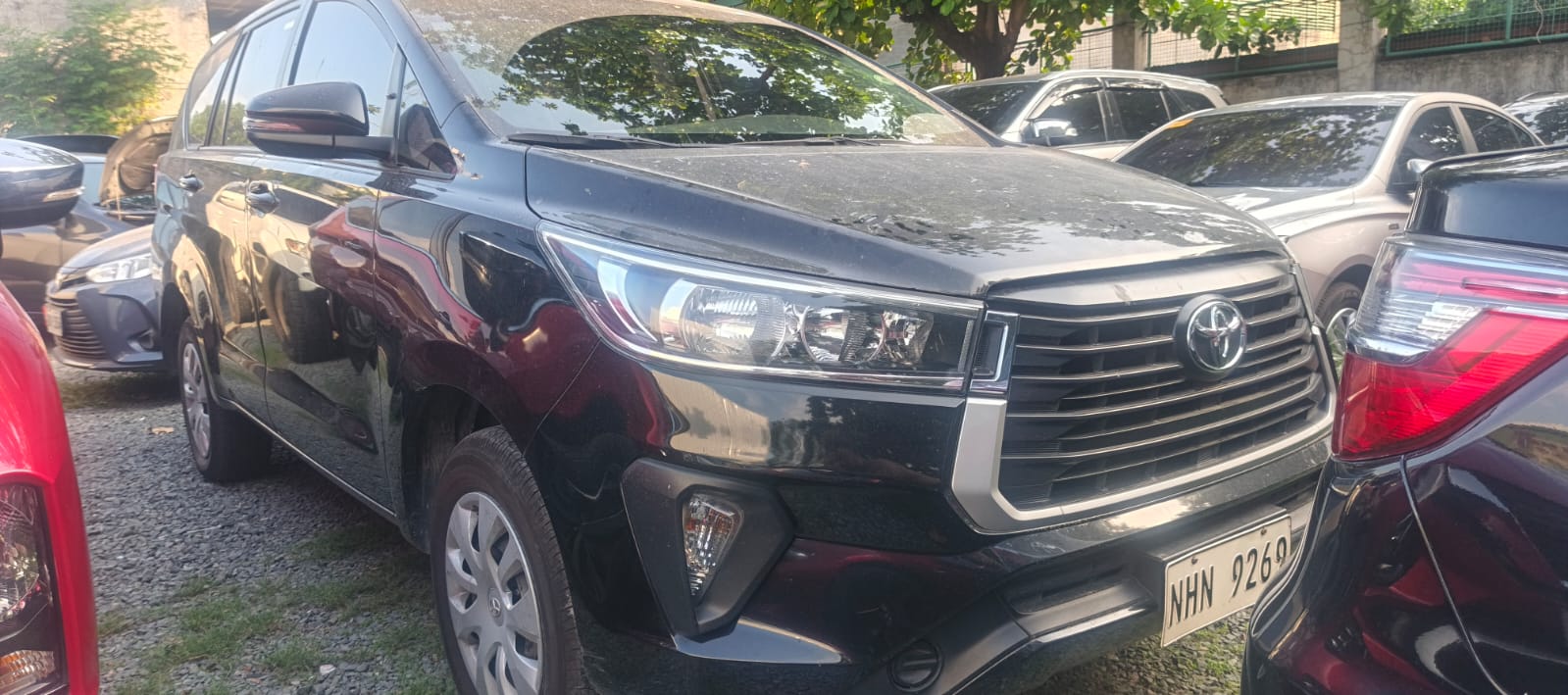
- 2025 Toyota Innova 2.8 XE AT, 39,989 km, listed at ₱930,000 (October 2026)
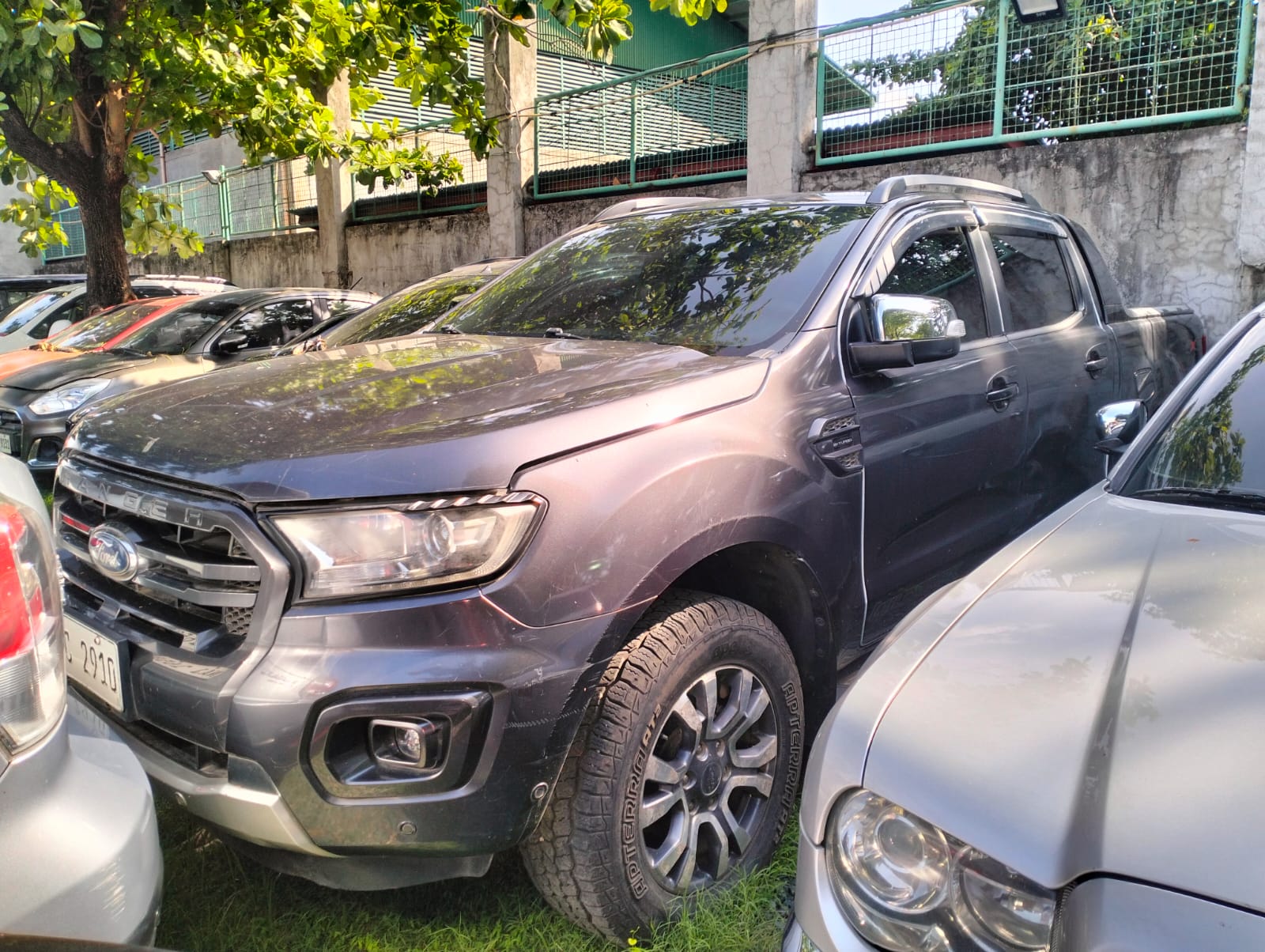
- 2019 Ford Ranger Wildtrak AT, 274,000 km, listed at ₱525,000 (October 2026)
If a sealed offer is new to you, read what a sealed offer is and how it works before you send one; it is the same process from Parañaque or from Doha. Browse everything on the home page.
FAQ: OFW car buying questions
Can an OFW buy a car in the Philippines while abroad?
Yes. An OFW can buy a used car in the Philippines without flying home by appointing a representative through a Special Power of Attorney. The representative inspects the car, signs the deed of sale on the OFW's behalf and processes the LTO transfer, while the OFW chooses the car, negotiates and pays from abroad. The OR/CR is registered in the OFW's name.
What is a Special Power of Attorney for buying a car?
A Special Power of Attorney, or SPA, is a notarised document that authorises a named person, your attorney-in-fact, to perform specific acts for you, such as signing a deed of sale, paying for and receiving a vehicle, and processing its registration with the LTO. Signed abroad, it must be acknowledged at a Philippine consulate or apostilled in your host country.
Can an OFW get a car loan in the Philippines?
Often, yes, subject to credit approval. Lenders commonly ask for proof of overseas employment and income, a Philippine-based contact, and an SPA that authorises your representative to sign loan documents. Through RideAgain's lending partners, financing is available from 1.40% per month add-on rate plus a 6.95% one-time chattel and processing fee on the amount financed.
How does an OFW pay for a car from abroad?
Pay the seller directly from your own account by bank transfer or remittance, rather than routing money through your representative, and keep every confirmation. Ask the seller which channels they accept before sending anything. At RideAgain, full payment is required before the unit is released, and the OR/CR follows 2 to 4 weeks after full payment.
Whose name goes on the OR/CR if an OFW buys a car?
The buyer's name, meaning the OFW, goes on the Certificate of Registration. Your representative signs the deed of sale for and on behalf of you under the SPA, and the SPA is filed with the transfer, but the registered owner on the CR is you. Check the name on the CR before your representative accepts the documents.