
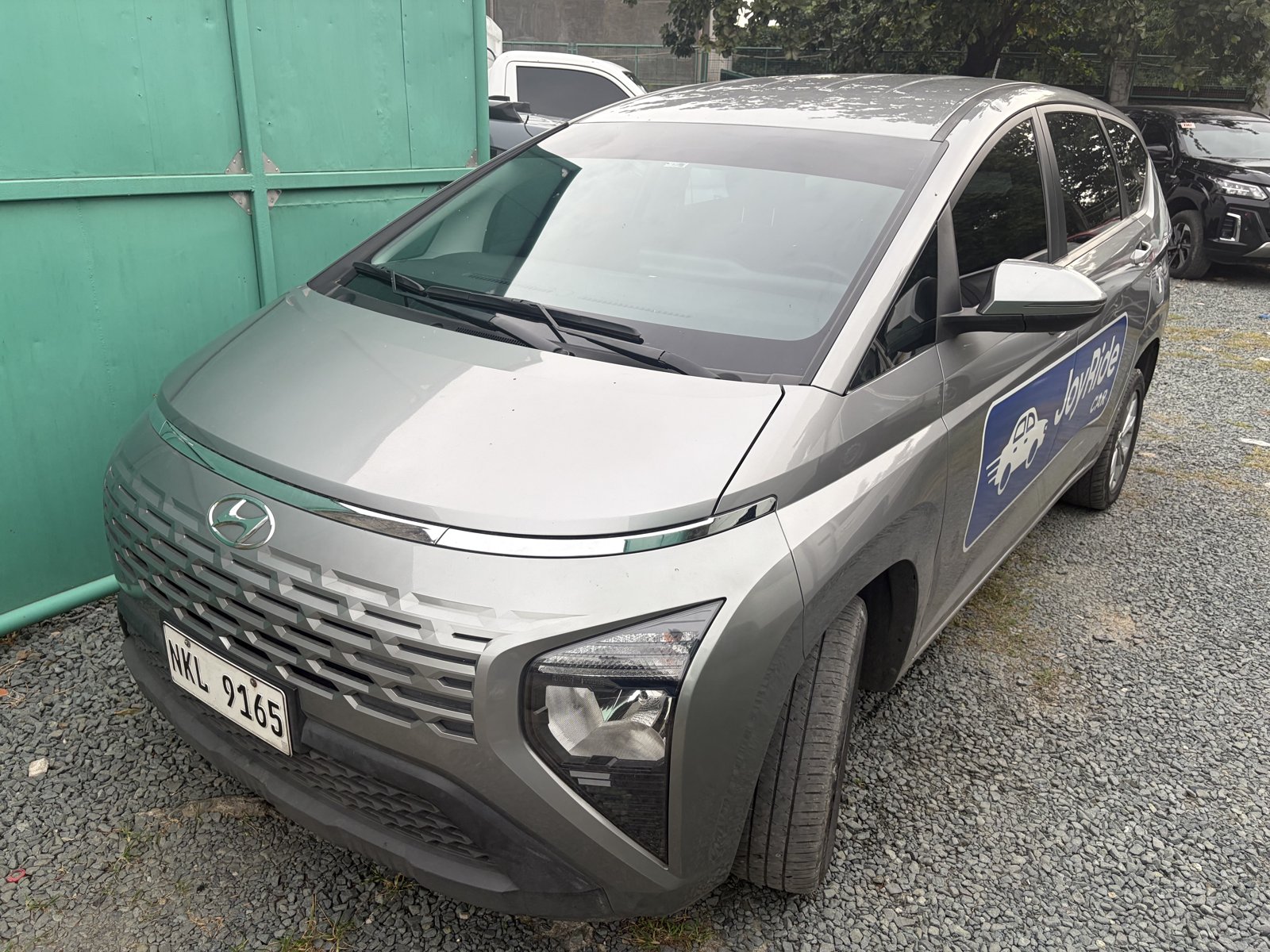
Ask what a conduction sticker means and you get three different answers: a dealer says "temporary plate", a traffic enforcer says "show me the OR/CR", and a seller on Marketplace says "registered na, plates to follow". All three are partly right, which is why nearly-new cars without plates cause so much confusion for used-car buyers in the Philippines. This guide explains what the sticker is, what the LTO allows as of October 2026, how long plates take now, and what to check before you pay for a car that still has one. Rules change; confirm with the LTO before you rely on them.
What a conduction sticker is
A conduction sticker is the temporary identification number the Land Transportation Office (LTO) assigns to a brand-new vehicle through its accredited dealer, so the car can be identified between the day it leaves the dealer and the day its licence plate is installed. The name comes from "conduction", the dealer's movement of the vehicle before it is plated.
It is a number first and a sticker second. The alphanumeric code is what matters: it is printed on the sticker, written on the dealer's documents, and under current LTO rules it is also the number that appears on the car's temporary plate. Only the LTO issues conduction numbers; stickers offered for sale online by racketeers are fake and will not match any LTO record.
What the sticker is not: it is not a licence plate, and it is not proof that the car is registered. Registration is proven by the Official Receipt and Certificate of Registration (OR/CR), which our OR/CR guide walks through field by field. A car can carry a conduction sticker and be fully registered, or carry one and not be registered at all.
Driving on a conduction sticker: what the LTO allows
As of October 2026, a registered brand-new car may travel while its plate is pending if it displays an LTO-format temporary plate carrying the conduction sticker number; a car with no plate and no conduction number is flagged down. That is the LTO's position, and here is the rule behind it.
LTO Memorandum Circular VDM-2024-2721, issued in August 2024, set the format for temporary plates on brand-new four-wheeled vehicles: the conduction sticker number, the MV file number and the region of registration, in black on white for private cars, without the dealer's name. The same circular limits the use of temporary plates to 15 days from the issuance of the sales invoice, and treats improvised, do-it-yourself plates as unlawful unless the LTO district office has issued an authority to use one while a lost or damaged plate is replaced.
Enforcement of that 15-day limit has been softer than the text. Apprehensions were due to start on 1 September 2024, were pushed to 31 December 2024, and in December 2024 the LTO deferred the ban on temporary plates "until further notice" while the plate backlog was worked down. In the operations that did run, enforcers photographed the OR/CR and sales invoice of cars on temporary plates rather than ticketing them. The practical rule has therefore been: registered car, proper temporary plate, papers in the glovebox, and you are fine. Check the LTO website for the current advisory before you assume the deferral still stands.
Two things are not covered by any of this. An unregistered car is not allowed on the road regardless of its sticker ("no registration, no travel" is a standing LTO policy), and a car whose plate has already been released but not installed has no excuse to keep driving on the sticker.
From conduction sticker to plates: the timeline
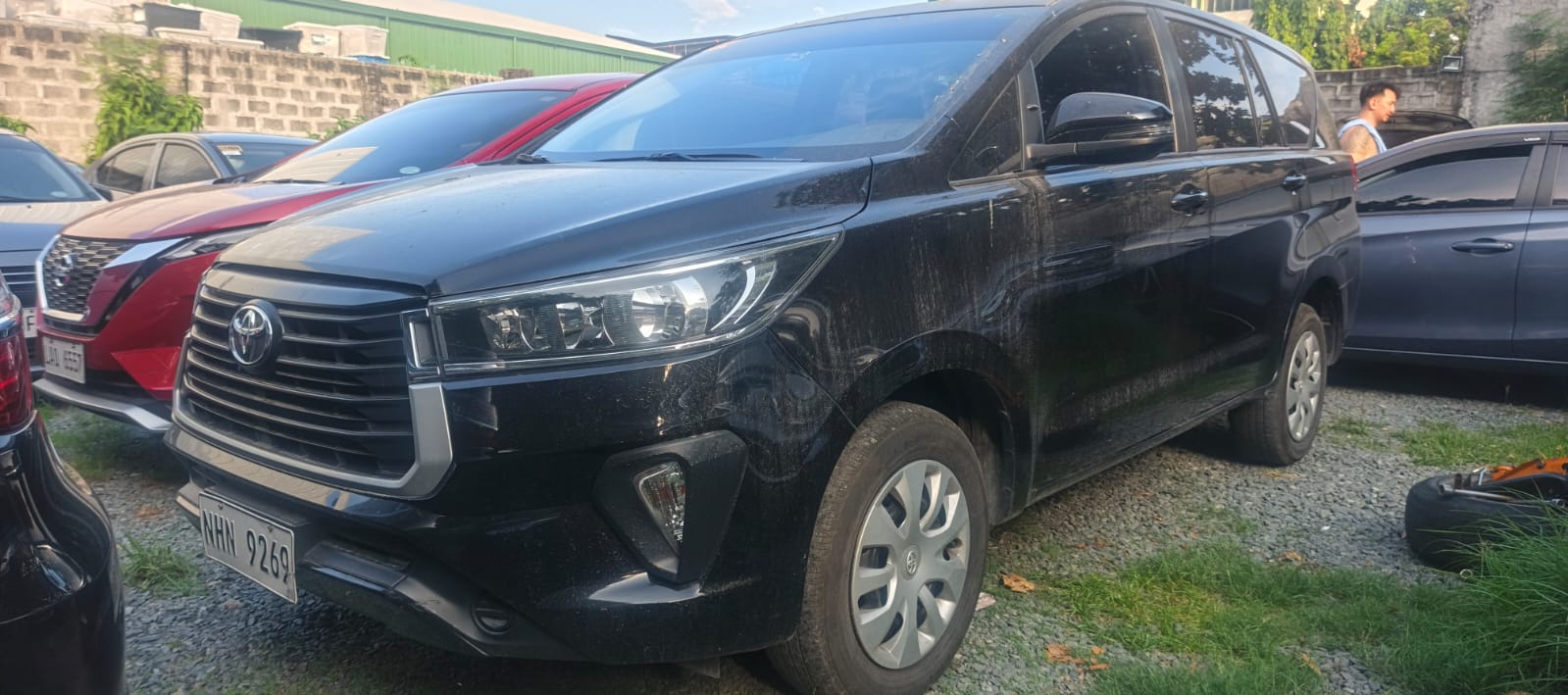
In October 2026 a brand-new car should have its plate within weeks of the sale, because the LTO reports its plate backlog cleared and has a published release standard for dealers. That is a big change from the years when "plates to follow" could mean never.
- Sale and conduction number. The dealer issues the sales invoice and the car leaves on its conduction number and temporary plate.
- Initial registration. The dealer files the registration with the LTO, which issues the OR/CR, assigns the plate number and produces the plate.
- Release to the dealer. The LTO's standard is to release the plate, OR/CR and RFID sticker to the dealer within five days of complete documents.
- Release to the buyer. The dealer then has six days to hand everything to the buyer, an 11-day target in total. The LTO issued show-cause orders to thousands of dealers in 2024 for missing it.
Behind those steps, the backlog that caused the problem is gone: the LTO reported the plate backlog for both cars and motorcycles cleared as of June 2025, and still at zero as of May 2026. So a 2024 or 2025 car that is still on a conduction sticker today is unusual, and the reason is usually a dealer, a financing bank or an owner who has not collected, not the LTO. Ask which.
| Conduction sticker | Temporary plate | LTO licence plate | OR/CR | |
|---|---|---|---|---|
| What it is | Temporary ID number assigned by the LTO through the dealer | Dealer-printed plate showing the conduction number, MV file number and region | The permanent plate produced and issued by the LTO | Official Receipt and Certificate of Registration |
| Proves registration? | No | No | No, but one is only issued to a registered car | Yes |
| Coding digit | Last digit of the sticker number | Same as the sticker | Last digit of the plate | Not applicable |
| How long it is valid | Until the plate is installed | 15 days from sales invoice under the LTO circular; enforcement deferred | Life of the vehicle, barring replacement | CR does not expire; OR renews yearly |
| What to ask a seller | Does the number match the invoice and CR? | Is it in the LTO format, not improvised? | Has it been released, and who holds it? | Original, in whose name, encumbered or clean? |
Registration status: what the OR/CR should show
A car on a conduction sticker is registered only if the LTO has issued its OR/CR, so the OR/CR is the document to ask for, not the sticker. Once you have it in hand, three fields answer the registration question.
- The plate number on the CR. If the CR already prints a plate number, the LTO has assigned the plate and the car is simply waiting for the physical one. If the plate field is blank or shows only the conduction number, ask the dealer where the registration stands.
- The MV file number. It should match the number on the temporary plate. A mismatch means the plate on the car was printed for a different vehicle or made up.
- The OR date and validity. The OR proves the registration fees were paid; a first-year OR is dated from the initial registration, and renewal thereafter follows the plate schedule described in our LTO registration renewal guide.
If there is no OR/CR at all, only a sales invoice and a delivery receipt, the car is unregistered. That can be innocent on a car a few weeks old, but on a used sale it is a problem: the seller cannot transfer what has not been registered, and you cannot legally drive it in the meantime. Our guide on how to verify LTO records shows how to check the chassis and engine numbers against the LTO's record before you go further.
Buying a nearly-new used car still on a conduction sticker
Treat a used car on a conduction sticker as a normal transfer with one extra question: where is the plate? Nearly-new units reach the used market quickly, through repossessions, cancelled financing, fleet turnover and owners who changed their minds, and some arrive before the dealer has handed over the plate. The car is fine to buy; the paperwork needs one more line.
- Get the original OR/CR and the sales invoice. Check that the conduction number and MV file number match across the invoice, the CR and the temporary plate.
- Read the CR's owner and encumbrance fields. A financed car's CR sits with the bank until the loan is settled, and a transfer cannot happen until the mortgage is released. Our used car documents checklist covers the release.
- Locate the plate. Ask which dealer holds it and whether it has been released by the LTO. Dealers log releases; a phone call settles it.
- Write plate collection into the deal. Agree in the deed of sale who collects the plate, from whom and by when, and if possible collect it before you pay in full.
- Start the transfer on time. The New Anti-Carnapping Act of 2016 requires every sale or transfer to be registered with the LTO within twenty working days of acquisition, and the HPG clearance comes first.

Coding and the conduction number
A car on a conduction sticker is covered by Metro Manila number coding, using the last digit of the conduction sticker number as its coding digit. The MMDA set that rule in Memorandum Circular 06, series of 2013, which also requires the sticker to stay on the car until the plate is issued and to be displayed in the spaces meant for the front and rear plates. Once the LTO plate is installed, the last digit of the plate takes over, so your coding day can change on the day the plate goes on.
The schedule is the same as for any plate: 1 and 2 on Monday, 3 and 4 on Tuesday, 5 and 6 on Wednesday, 7 and 8 on Thursday, 9 and 0 on Friday, from 7:00 to 10:00 AM and 5:00 to 8:00 PM on MMDA-covered roads, with Makati running its own 7:00 AM to 7:00 PM rule and no window. Advisories and suspensions are posted on the MMDA website, and our number coding guide maps the days to units in our stock.
If you prefer to skip the whole question, buy a nearly-new unit that already has its plate. Browse the Stargazer units in stock or the rest of the lot, read how buying works here, and bring your own torch to a viewing: the stampings, the CR and the plate should all agree before you send an offer.
FAQ: conduction sticker questions buyers ask
What is a conduction sticker?
A conduction sticker is the temporary identification number the LTO assigns to a brand-new vehicle through its accredited dealer, used to identify the car between delivery and the arrival of its licence plate. It is displayed in the plate spaces and on the LTO-format temporary plate. It is not a plate and not proof of registration; the OR/CR is.
Can you drive a car with only a conduction sticker?
As of October 2026, yes, if the car is registered and the conduction number is shown on an LTO-format temporary plate. LTO Memorandum Circular VDM-2024-2721 limits temporary plates to 15 days from the sales invoice, but the LTO deferred strict enforcement until further notice while plates were pending, and enforcers verify the OR/CR and invoice instead. Confirm the current rule with the LTO.
How long does it take to get plates after a conduction sticker?
The LTO's standard is to release plates and the OR/CR to the dealer within five days of complete documents, and the dealer must hand them to the buyer within six more, an 11-day target. The LTO reported its plate backlog cleared in June 2025 and still at zero in May 2026, so plates should arrive within weeks, not years. Ask the dealer for the release date.
Is a car with a conduction sticker already registered?
Not necessarily. The sticker only identifies the car; registration exists when the LTO has issued the Official Receipt and Certificate of Registration. If the OR/CR exists and the CR already shows a plate number, the car is registered and only waiting for the physical plate. If there is no OR/CR yet, the car is unregistered whatever the sticker says.
What should I check when buying a used car that still has a conduction sticker?
Ask for the original OR/CR and the dealer's sales invoice, confirm the conduction number and MV file number match across them, and check whether the CR already carries a plate number. Ask which dealer holds the plates and when they will be released, and put plate collection into the deed of sale. If the CR is encumbered, the financing bank must release it first.