
Insurance is the line in the budget that used car buyers most often get wrong, in both directions. Some drive a ₱570,000 MPV on CTPL alone; others pay comprehensive premiums on a ₱235,000 sedan they could replace from savings. This guide, written from our Parañaque lot, lays out what each kind of cover does and how to decide for the car you are actually buying. Regulatory details are stated as of October 2026 and attributed to the Insurance Commission and the LTO; limits and rules change, so confirm with your insurer before you buy.
Two kinds of cover: CTPL and comprehensive
Car insurance in the Philippines comes in two layers: CTPL, which the law requires for every registered vehicle, and comprehensive, which you choose. CTPL protects other people from you; comprehensive protects your car and your wallet.
| CTPL | Comprehensive | |
|---|---|---|
| Required? | Yes, for LTO registration and renewal (as of October 2026) | No, unless your lender requires it |
| Pays for | Death or bodily injury of third parties caused by your vehicle | Your own car, theft, third-party liability above CTPL and, with riders, flood and typhoon |
| Your car's damage | Not covered | Covered under own damage, minus the deductible |
| The other car or property | Not covered | Covered under voluntary third-party liability |
| Flood, typhoon, earthquake | Not covered | Only with an acts of nature rider |
| How it is priced | Tariff set by regulation; independent of the car's value | Percentage of the car's insured value, plus riders and taxes |
| Term | One year on renewal; three years on a brand-new car's first registration | One year, renewable |
CTPL: what it is and what it covers
CTPL, also called Compulsory Motor Vehicle Liability Insurance (CMVLI), is the policy the LTO requires before it will register or renew any motor vehicle, and it covers only your liability for death or bodily injury to third parties. Under the rules of the Insurance Commission, as of October 2026 the LTO cannot register or renew a vehicle unless proof of a CTPL policy, or an equivalent guaranty, is on file.
The Insurance Commission's circular IMC 2024-01 raised the per-victim third-party liability limit to ₱200,000 from ₱100,000, and the no-fault indemnity to ₱30,000. No-fault indemnity is a small claim for death or bodily injury paid without having to prove who was at fault. Those figures are correct as of October 2026; confirm the current ones with your insurer before relying on them.
What CTPL does not cover is everything else: your own car, the other car, property, or your passengers' belongings. Rear-end a Fortuner on the Skyway with CTPL alone and the Fortuner's repair is yours to pay. Buy it only from an insurer licensed by the Insurance Commission; as of October 2026 the insurer transmits an electronic Certificate of Cover that the LTO's registration system validates, so a paper policy from a fixer that is not in the system will not get you registered.
On a used car, CTPL runs with the registration year, so check the date on the OR to see when it next falls due; our LTO registration renewal guide explains the schedule by plate number.
Comprehensive: own damage, theft, third party, acts of nature
Comprehensive insurance is a bundle of separate covers, and you should know which ones are actually in your policy before you pay for it.
- Own damage (OD): collision, fire, overturning and malicious damage. The insurer pays the repair or, for a total loss, the insured value minus the deductible.
- Theft: pays the insured value if the car is carnapped and not recovered.
- Voluntary third-party liability (VTPL): bodily injury above the CTPL limit, plus property damage. This is the part that pays for the other car.
- Acts of nature (AON), sometimes called acts of God: flood, typhoon, earthquake and volcanic eruption. On most policies this is a rider you add, not a default.
- Extras: personal accident cover for driver and passengers, riot and civil commotion, sometimes roadside assistance.
Two terms decide what you actually get back. The deductible, often called participation, is the amount you shoulder on each own-damage claim. The insured value should be the car's fair market value when the policy starts: insure above it and you pay for a payout you will never receive; insure below it and a total loss leaves you short of a replacement.
How premiums are set for a used car
A comprehensive premium is a percentage of the car's insured value, adjusted for the car's age, body type, deductible and riders, with government taxes and documentary stamps added on top. CTPL is priced from a regulated tariff and does not move with the car's value.
- Insured value. An older car is worth less, so it costs less to insure. A 2023 Toyota Vios 1.3 XLE CVT at ₱495,000 carries roughly double the insured value of a ₱235,000 Vios, and the premium follows.
- Vehicle age. Many insurers charge a higher rate on older cars and set an age ceiling for own-damage cover. Ten years is a common cut-off, but it varies, so ask before you assume cover is available.
- Body type and riders. Pickups, SUVs and vans are often rated differently from sedans; acts of nature, a higher VTPL limit and personal accident cover each add to the premium.
- Deductible and history. A higher deductible lowers the premium; previous claims can raise it or cost you a no-claim discount.
Get at least two quotes with the same insured value, deductible and riders written on them, or you are not comparing the same thing. Our total cost of ownership guide shows where insurance sits next to fuel, maintenance and registration in a yearly budget.
When comprehensive stops making sense
Comprehensive cover stops making sense when the premium plus the deductible approaches what you would ever recover, or when you could replace the car from savings without hardship. Four questions settle it.
- Is the car financed? Then it is not your decision; the lender requires comprehensive cover for the term of the loan.
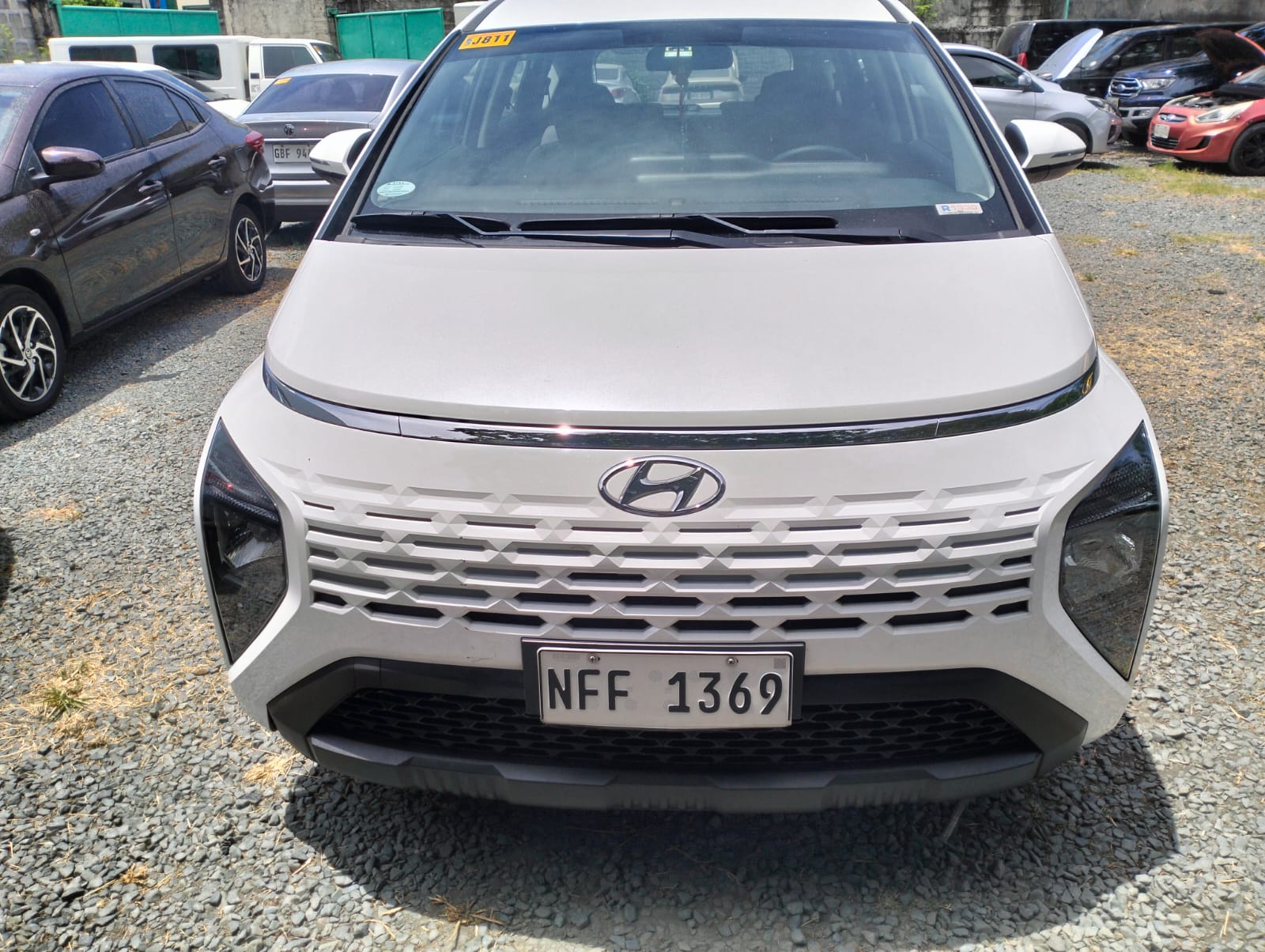
- Could you absorb a total loss? On a ₱235,000 Vios, some owners carry CTPL plus a third-party-liability-only policy for the other car and self-insure their own. On a ₱570,000 Stargazer, few households can.
- Where does it live and drive? Street parking, a daily EDSA commute and a flood-prone barangay all raise the odds of a claim.
- Will an insurer still write own-damage cover at the car's age? Past the ceiling the question answers itself.
The middle path people forget is a third-party-liability-only policy, which some insurers sell: it pays for the other car and higher injury limits without own-damage cover. On an old, low-value car it is cheap protection against the one bill that can be bigger than the car.
Flood cover in a flood-prone country
Flood damage is not covered by a standard comprehensive policy in the Philippines; you need the acts of nature rider, and in Metro Manila it is usually worth having. Parañaque and the south of the metro flood every rainy season, and a hydrolocked engine or soaked wiring can total a car that was fine the night before.
Read the wording before the typhoon, not after. Some policies treat damage from deliberately driving into floodwater differently from a car flooded where it was parked, and claims generally need photos of the water level, a barangay or police report, and a tow rather than a restart. Starting a flooded engine is the fastest way to turn a claim into a dispute. Flood cover is also only for floods after you buy: a car flooded before you bought it is not an insurance matter, which is why our flood-damaged car checklist belongs in your pre-purchase inspection.
Insuring a financed car
If your used car is financed, comprehensive insurance is usually a condition of the loan, with the lender named as mortgagee on the policy. The car is the lender's collateral under a chattel mortgage, so the lender wants own-damage and theft cover in force for the whole term, and a total-loss payout goes to the lender first. Some lenders bundle the first year's premium into the loan; others want it paid upfront. Arrangements vary, so ask.
At RideAgain, financing is arranged through lending partners from 1.40% per month add-on rate, subject to credit approval, with a 6.95% one-time chattel/processing fee on the amount financed. Ask about the insurance requirement at assessment so it is in your monthly budget from day one; our financing page covers the basics. Once the loan is paid and the mortgage released, the policy is yours to adjust.
Whichever cover you choose, sort it in the first week of ownership alongside the transfer; our after-purchase checklist puts it in order with the rest. Every unit we sell is inspected and its documents verified before listing. Book a viewing Monday to Saturday, 9 AM to 6 PM, at Vitalez Compound, Parañaque City, or browse every Stargazer in stock if a nearly-new MPV is the plan.
FAQ: insuring a used car
Is car insurance required for a used car in the Philippines?
Yes. CTPL (Compulsory Third Party Liability) insurance is required by law for every motor vehicle, new or used, and as of October 2026 the LTO will not register or renew a vehicle without a valid CTPL policy on record. Comprehensive insurance is optional unless the car is financed, in which case the lender usually requires it for the term of the loan.
What is the difference between CTPL and comprehensive insurance?
CTPL covers only your liability for death or bodily injury to third parties, up to limits set by the Insurance Commission, and is required for LTO registration. Comprehensive insurance is optional and covers your own car against collision, fire and theft, adds third-party property damage and higher liability limits, and with an acts of nature rider covers flood, typhoon and earthquake.
How much is comprehensive insurance for a used car?
It is quoted as a percentage of the car's insured value, so a newer, pricier used car costs more to insure than an older one of the same model. The rate rises with the car's age, body type, a lower deductible and riders such as acts of nature, and taxes are added on top. Get two quotes with the same insured value and deductible to compare like with like.
Should I get comprehensive insurance on an old car?
Only if the car's market value is high enough that losing it would hurt, or if it is financed. On a low-value sedan you could replace from savings, many owners keep CTPL and add a third-party-liability-only policy for the other car. Check whether your insurer still offers own-damage cover at the car's age, and insure at fair market value, not the original price.
Does car insurance cover flood damage in the Philippines?
Only if your comprehensive policy includes the acts of nature rider, sometimes called acts of God; a standard own-damage policy excludes flood, typhoon and earthquake, and CTPL never covers flood. Read the wording on driving through floodwater, document damage with photos and a barangay or police report, and do not start a flooded engine, because that can turn a claim into a dispute.