
In the Philippines the aircon is not a comfort feature, it is the feature. A used car with a weak or dying aircon is a car you will not want to drive by noon, and aircon repairs are among the most common surprise bills in the first months of ownership.
This used car aircon check is the routine we run on every unit at our Parañaque lot before it is listed, written so you can repeat it at any viewing in about fifteen minutes with no tools. It pairs with our used car test drive checklist and engine check.
Why the aircon matters more in the Philippines
The aircon matters more here because it runs almost every kilometre the car is driven, in heat and humidity that work the system harder than in most countries.
A compressor in Metro Manila spends hours cycling at idle in traffic, where airflow over the condenser is lowest and under-hood temperatures are highest. Humidity keeps the evaporator wet most of the time, which is why cabins turn musty. Dust, smoke and flood-season grit clog cabin filters and condenser fins faster than the service schedule assumes.
The result is that aircon faults are among the most common defects we find on incoming units, and among the most under-tested by buyers. People check the engine and the papers and then forget to sit in the car with the doors closed for three minutes. Those three minutes are the difference between a fair price and an unpleasant bill.
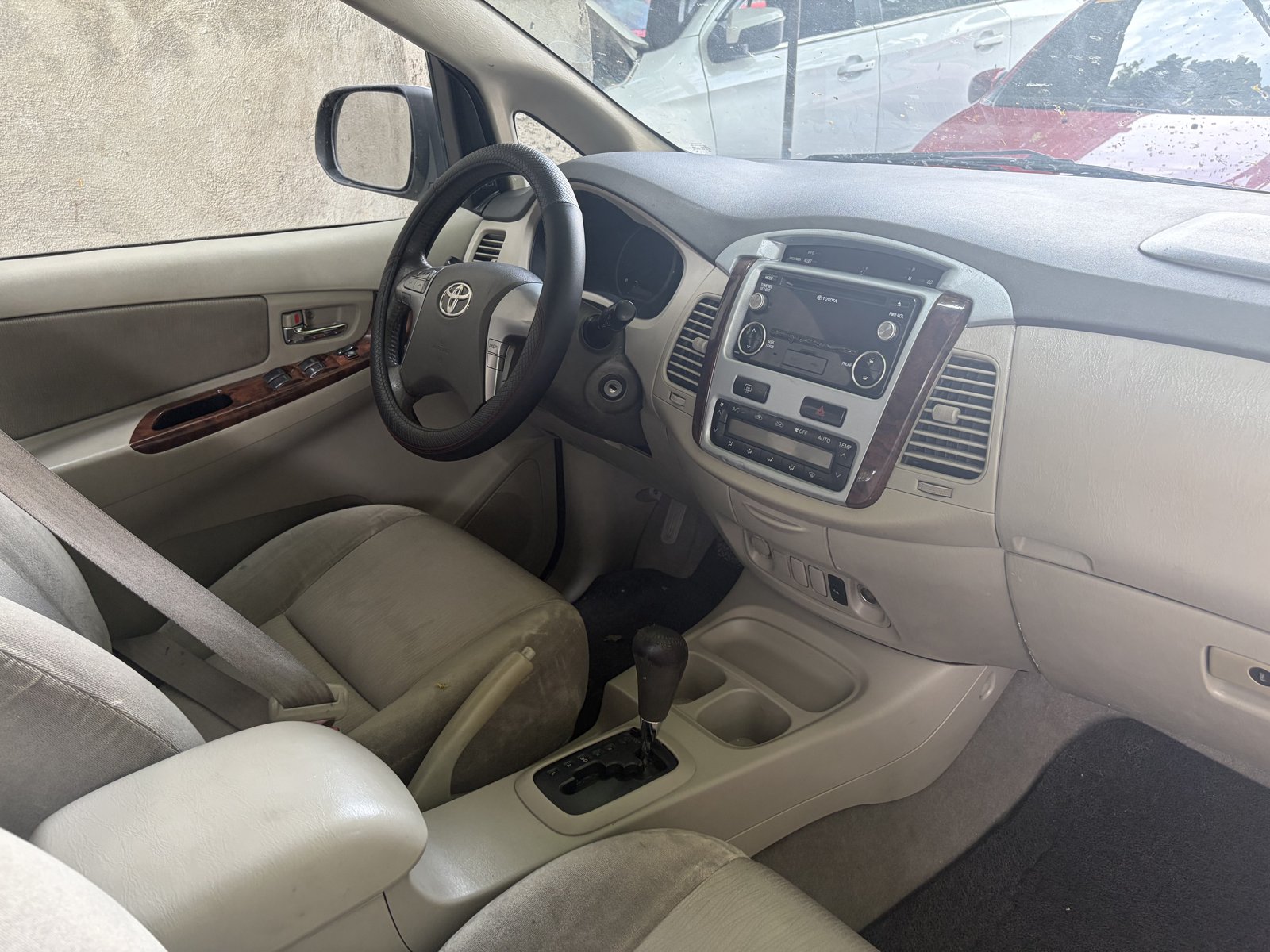
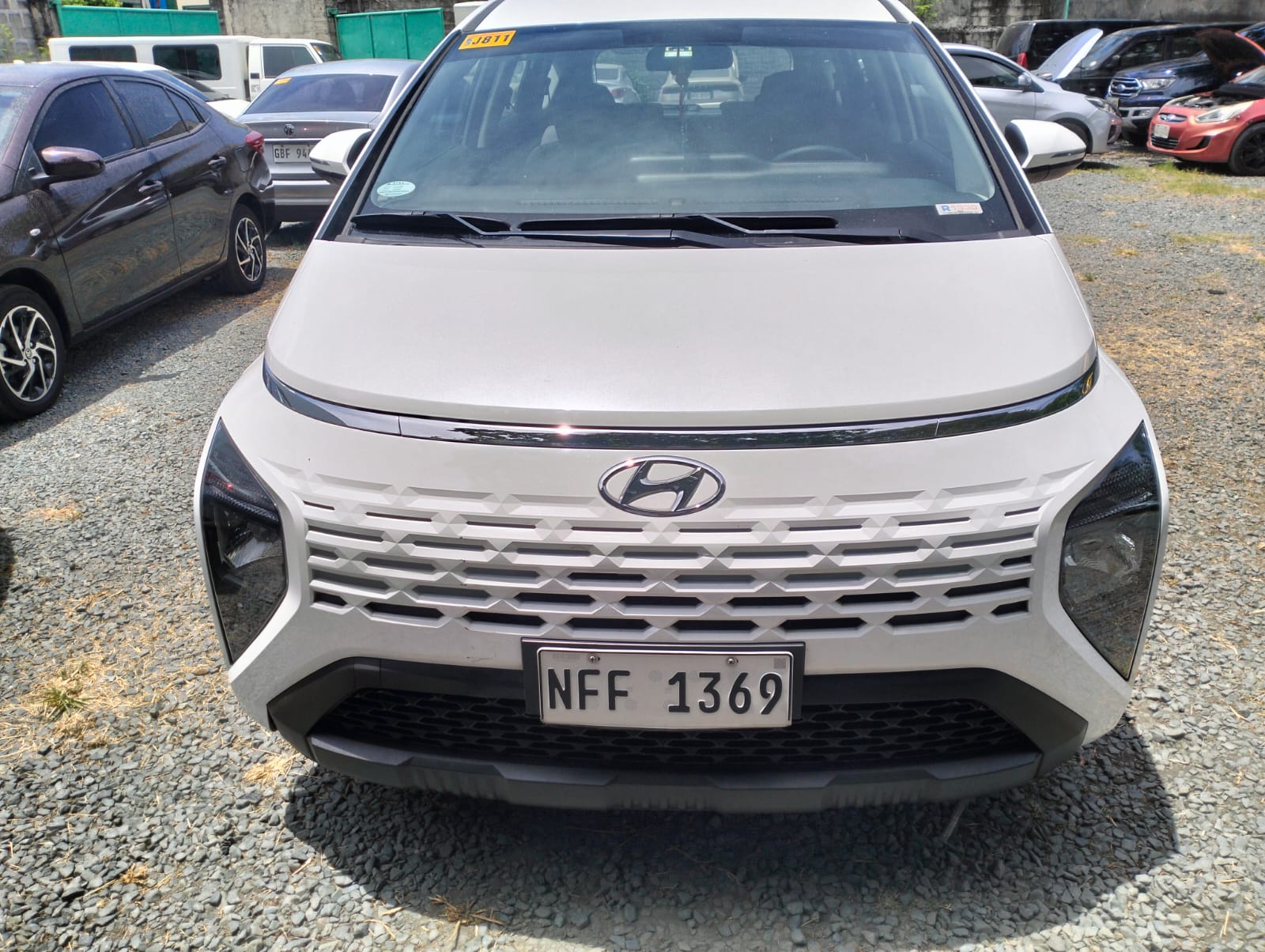
It matters even more on family cars. MPVs such as the Toyota Innova and Hyundai Stargazer rely on rear vents or a second evaporator to cool the back rows, which doubles the parts that can fail. Test both ends of the cabin, not just the driver's vent.
The 5-minute cooling test
The cooling test is simple: with the engine idling, set the system to its coldest setting, highest fan speed and recirculation, close all doors, and judge how cold the vent air gets and how fast the cabin cools.
- Start warm, not pre-cooled. Ask for the car to be switched off and parked in the shade before you arrive. A cabin that was chilled for half an hour before the viewing hides a weak system.
- Set it to maximum. Temperature at coldest, fan at highest, recirculation on, A/C button lit. Close every door and window.
- Time it. Within two to three minutes the air from the centre vents should feel cold enough that holding your hand there becomes uncomfortable. A system that is merely "cooler than outside" after five minutes is undercharged, leaking, or working with a tired compressor.
- Check every vent. Put your hand on each front vent, then the rear vents if the car has them. Big differences between vents point to blend-door or duct problems; weak rear cooling in an MPV often means the rear evaporator or its blower needs work.
- Cycle the modes. Face, feet, face-and-feet, defrost, and every fan speed. Each should change the airflow clearly. A fan that works only on the highest speed usually has a failed blower resistor, a cheap part but a sign of deferred maintenance.
- Hold it at idle. Leave the car idling with the aircon at maximum for five minutes. Cooling that fades at idle but returns when you drive points to a weak condenser fan or a low refrigerant charge.
If you own an infrared thermometer, aim it at the centre vent; a healthy system blows air far colder than the cabin, and the gap should be obvious. No thermometer is fine too. Your hand and a watch are enough for a go or no-go decision.
Listen: compressor, clutch, blower
With the hood open and the engine idling, press the A/C button on and off and listen: you want a single clean click from the compressor clutch and no change in engine noise beyond a slight dip in idle.
- Grinding or rattling when the clutch engages points to a worn compressor bearing or internal damage. This is the sound of the most expensive aircon repair.
- A squeal when the aircon switches on is usually a glazed or loose drive belt, which is cheap, but it can also mean the compressor is starting to seize and dragging the belt.
- The clutch cycling on and off every few seconds usually means the refrigerant charge is low and the pressure switch keeps cutting the compressor. Low charge means a leak somewhere.
- A loud hiss from the dashboard right after switching on can be normal for a moment, but a constant hiss or gurgle points to a charge or expansion-valve issue.
- Blower noise that changes with fan speed, such as a whine, a rumble or the sound of leaves in a fan, means debris in the blower or worn blower-motor bearings.
- Clicking or ticking behind the dash when you change modes or temperature is a failing blend-door actuator. It is a small part but sometimes buried deep in the dashboard.
Smell and airflow checks
Smell the first blast of air when the fan starts and judge how strongly it flows: a musty smell means mould on the evaporator or a soaked cabin filter, and weak airflow on full fan means something is clogged.
- Musty or sour smell is the common one. Mould grows on the wet evaporator, especially on cars parked with the aircon switched off abruptly. An evaporator cleaning and a new cabin filter normally fix it, but a persistent smell can mean the evaporator drain is blocked.
- Sweet, syrupy smell is engine coolant. It usually means the heater core or a hose inside the dash is leaking, and you may see a greasy film on the inside of the windshield. Walk away unless the price reflects a dash-out repair.
- Burning or electrical smell when the blower runs points to a failing blower motor or resistor. Switch it off and note it.
- Weak airflow on the highest fan speed usually means a clogged cabin filter, which on many models you can pull out from behind the glovebox and inspect on the spot. If the filter is clean and airflow is still weak, the evaporator fins may be packed with dirt.
- Wet front carpets or a damp smell under the mats on the passenger side means the evaporator drain is blocked and condensate is draining into the cabin. Cheap to clear, but it also hints at a car that sat unused.
Leaks, condenser and the engine-bay look
Open the hood with the aircon running and look for three things: oily residue on the aircon lines and fittings, a condenser with clean fins and a spinning fan, and a drive belt in good condition.
- Oily, dusty residue around hose fittings, the compressor body or the condenser connections is refrigerant oil escaping with the gas. Green or yellow dye stains mean a shop has already been chasing a leak.
- The condenser sits in front of the radiator. Bent fins, a layer of dirt or leaves, corrosion and stone damage all reduce cooling, especially at idle. On cars with a front-end collision history, the condenser is often the part that was replaced cheaply.
- The condenser fan should run whenever the aircon is on. If it is not spinning, the aircon will cool on the highway and fail in traffic.
- Belts and pulleys should show no cracks or glazing, and the compressor pulley should spin smoothly with the clutch off.
- Under the car, a puddle of clear water after a long run is normal condensate. Water inside the cabin is not.
This look-over takes two minutes and pairs naturally with the fluid and leak checks in our used car engine check, so do them together.
What repairs typically cost
Aircon repairs in the Philippines range from a cleaning that typically runs a few thousand pesos to a compressor or evaporator replacement that can cost many times that, so the point of the test is to know which tier you are looking at before you offer.
Prices vary widely by model, by shop and by whether genuine or aftermarket parts are used, so take the tiers below as relative, not as quotes. Always get a written estimate from an aircon specialist before you commit to a car with a known fault.
| Symptom you found | Likely cause | Typical repair | Relative cost |
|---|---|---|---|
| Musty smell, slightly weak airflow | Dirty evaporator, old cabin filter | Evaporator cleaning, new cabin filter | Low: typically a few thousand pesos |
| Fan works only on the highest speed | Failed blower resistor | Replace the resistor | Low |
| Cools well on the move, weak at idle | Condenser fan or dirty condenser | Fan motor or condenser cleaning | Low to medium |
| Cool but not cold, clutch cycles often | Low refrigerant from a slow leak | Leak test, repair, recharge | Medium, depending on where the leak is |
| Sweet smell, foggy windshield | Heater core leak | Dash-out heater core replacement | Medium to high, mostly labour |
| Weak cooling, no smell, filter clean | Clogged or leaking evaporator | Dash-out evaporator replacement | High, labour-heavy |
| Grinding at the compressor, no cooling | Failed compressor | Compressor, drier and a system flush | Highest: many times the cost of a cleaning |
One rule of thumb from the lot: anything that requires removing the dashboard is expensive in labour regardless of the part price, and a failed compressor that has sent metal through the system usually takes the condenser and drier with it. Those are the faults to walk away from unless the discount is serious. For what aircon upkeep adds to a yearly budget, see our guide to the total cost of car ownership in the Philippines.
Negotiating or walking away
Use the aircon result as a number in your offer, not as an argument: get a written estimate for the fault, subtract it from what you would otherwise pay, and walk away only from the faults that signal deeper neglect.
Low-tier problems such as a musty smell, a tired cabin filter or a blower resistor should not stop a purchase. Mention them, price them in, and fix them in your first week. Medium-tier faults like a slow leak or a weak condenser fan are fair grounds for a lower offer and worth a specialist's estimate first.
Walk away, or demand a discount that covers a full system rebuild, when you hear grinding from the compressor, when the seller refuses to let you run the test, or when the aircon fault sits alongside other signs of neglect such as dirty oil, a weak battery and bald tyres. An owner who let the aircon die usually let other things go too.
At RideAgain every unit is sold as-is, where-is through a private sealed offer, which makes this simple. Test the aircon at your viewing, build what you find into your offer, and we confirm, counter or accept. Read how buying works for the full flow. If you plan to finance the purchase, remember that a repair bill in month one lands on top of the monthly payment, so it belongs in the offer, not in your savings.
Units in stock
Every unit on our lot is inspected before listing and the aircon is part of that inspection; still, run the test yourself at the viewing, because a sealed offer is only as good as the information behind it.
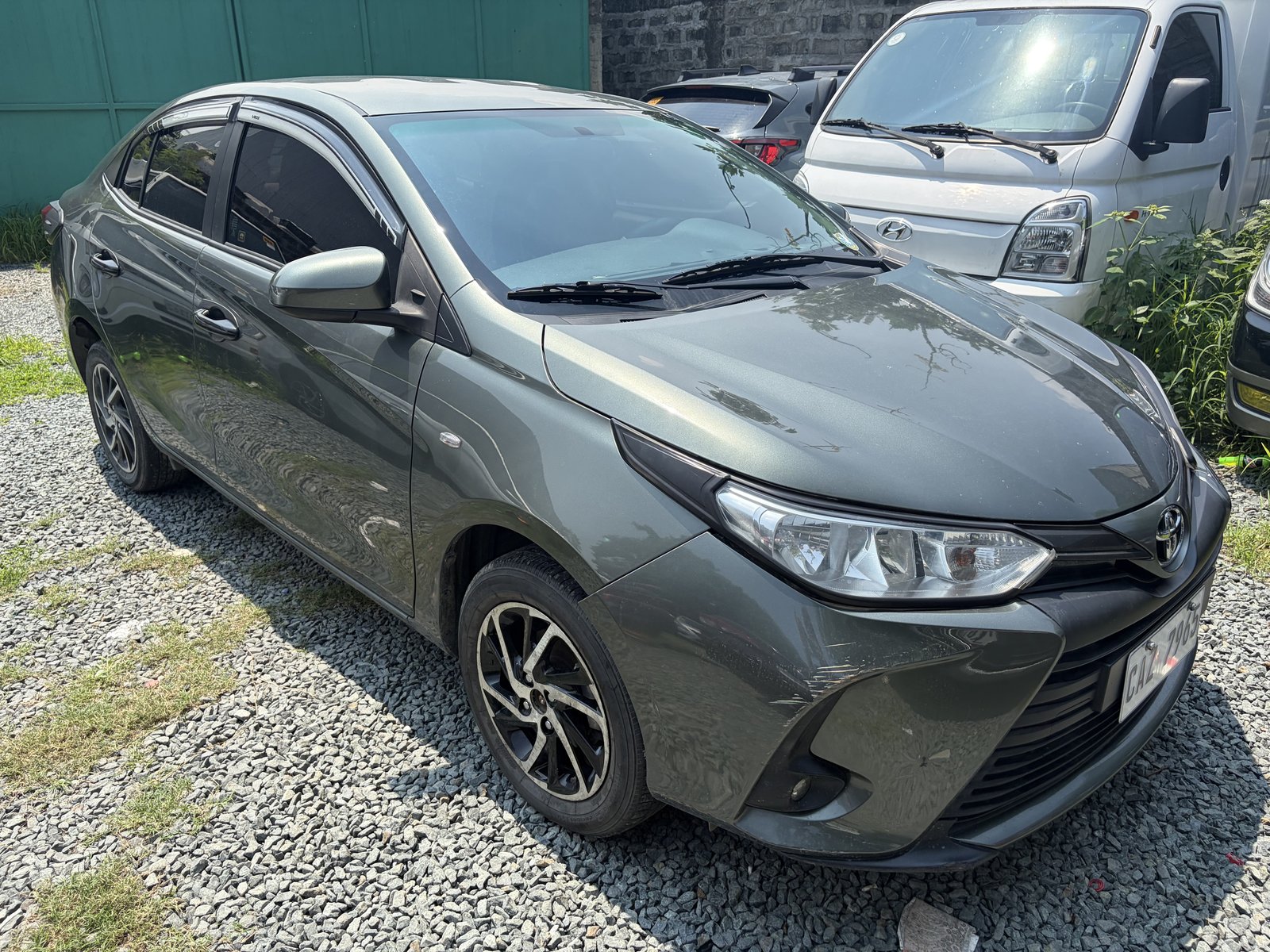
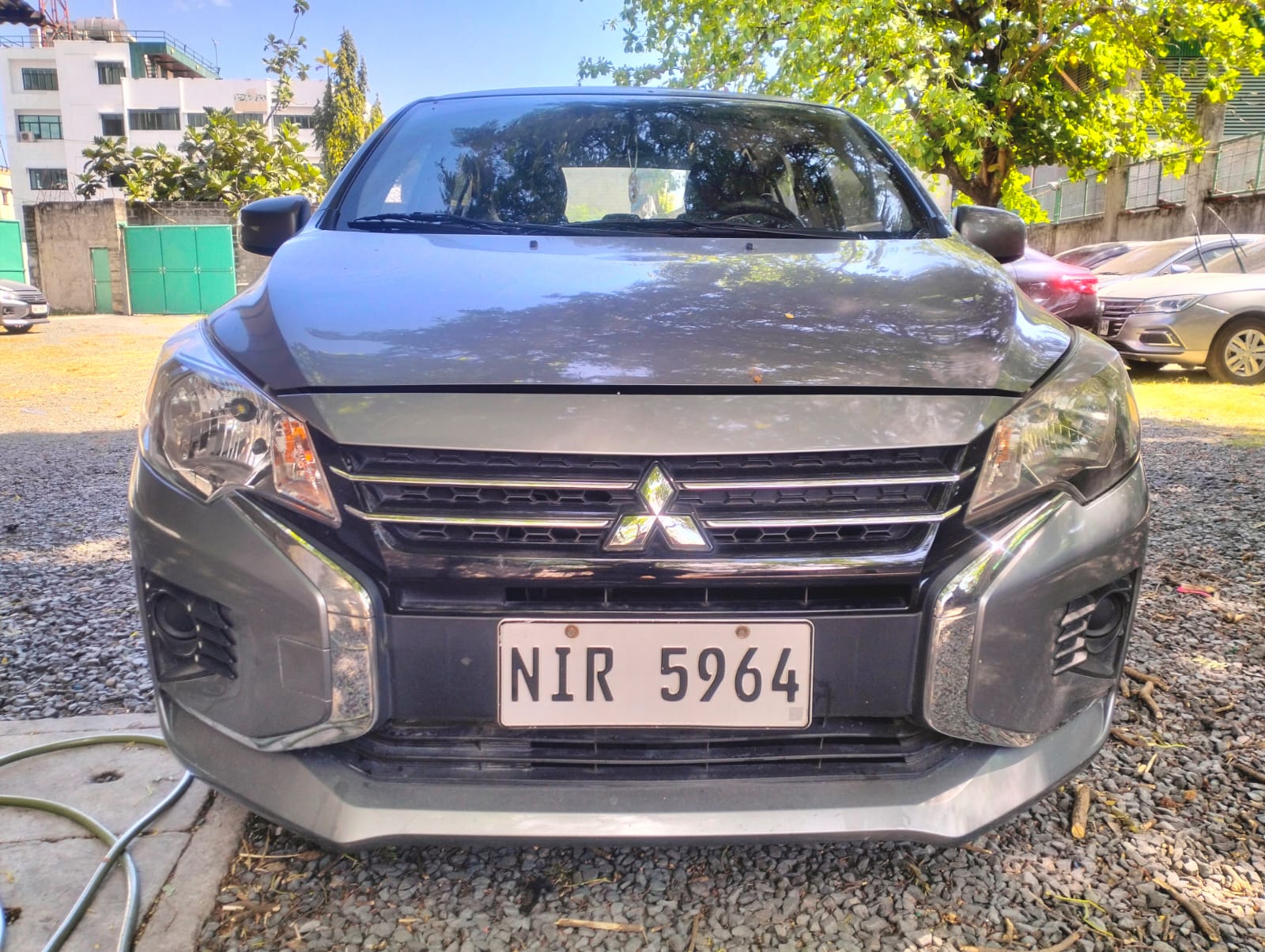
A few units to start with: the 2023 Toyota Vios 1.3 XLE CVT, the 2023 Mitsubishi Mirage G4 GLX 1.2G CVT, the 2024 Hyundai Stargazer GL IVT and the 2015 Toyota Innova 2.5 G Diesel AT. You can search the lot for any model, such as every Stargazer in stock, then book a viewing. Viewings are by appointment, Monday to Saturday, 9 AM to 6 PM, and we are easy to reach on +63 931 209 9607 by call, WhatsApp or Viber. Once you have bought, our guide on what to do after buying a used car puts an aircon service in the first-month checklist.
FAQ: used car aircon questions we hear most
How do I test the aircon on a used car?
With the engine idling, set the aircon to its coldest temperature, highest fan speed and recirculation, close all doors and wait two to three minutes. The vent air should become uncomfortably cold on your hand and the cabin should cool clearly. Then cycle every fan speed and vent mode, check the rear vents, listen for a clean compressor click, and repeat the test while driving.
Why is the aircon not cold in a used car?
The most common reasons are a low refrigerant charge from a slow leak, a dirty condenser or failed condenser fan that only shows at idle, a clogged cabin filter or evaporator, or a worn compressor. A musty smell with weak airflow points to the evaporator and filter, while a compressor clutch that cycles every few seconds points to low charge.
How much does it cost to fix a car aircon in the Philippines?
It depends on the fault. An evaporator cleaning with a new cabin filter typically runs a few thousand pesos, a leak repair and recharge sits in the middle, and a compressor replacement can cost many times the price of a cleaning, especially if the drier and condenser must be replaced too. Get a written estimate from an aircon specialist before you offer.
Is a weak aircon a reason not to buy a used car?
Not by itself. A musty smell, a tired filter or a blower that works on one speed are cheap fixes you can price into your offer. Walk away when the compressor grinds, when the seller will not let you run the test, or when the aircon fault comes with other signs of neglect such as dirty oil, bald tyres and a weak battery.
How often should a car aircon be cleaned?
In Philippine conditions most owners have the evaporator cleaned and the cabin filter replaced roughly once a year, or sooner if the air turns musty or airflow drops. Cars that sit in traffic daily or park outside in dust may need it more often. Switching the aircon off a minute before parking, with the fan still running, helps dry the evaporator between cleanings.