
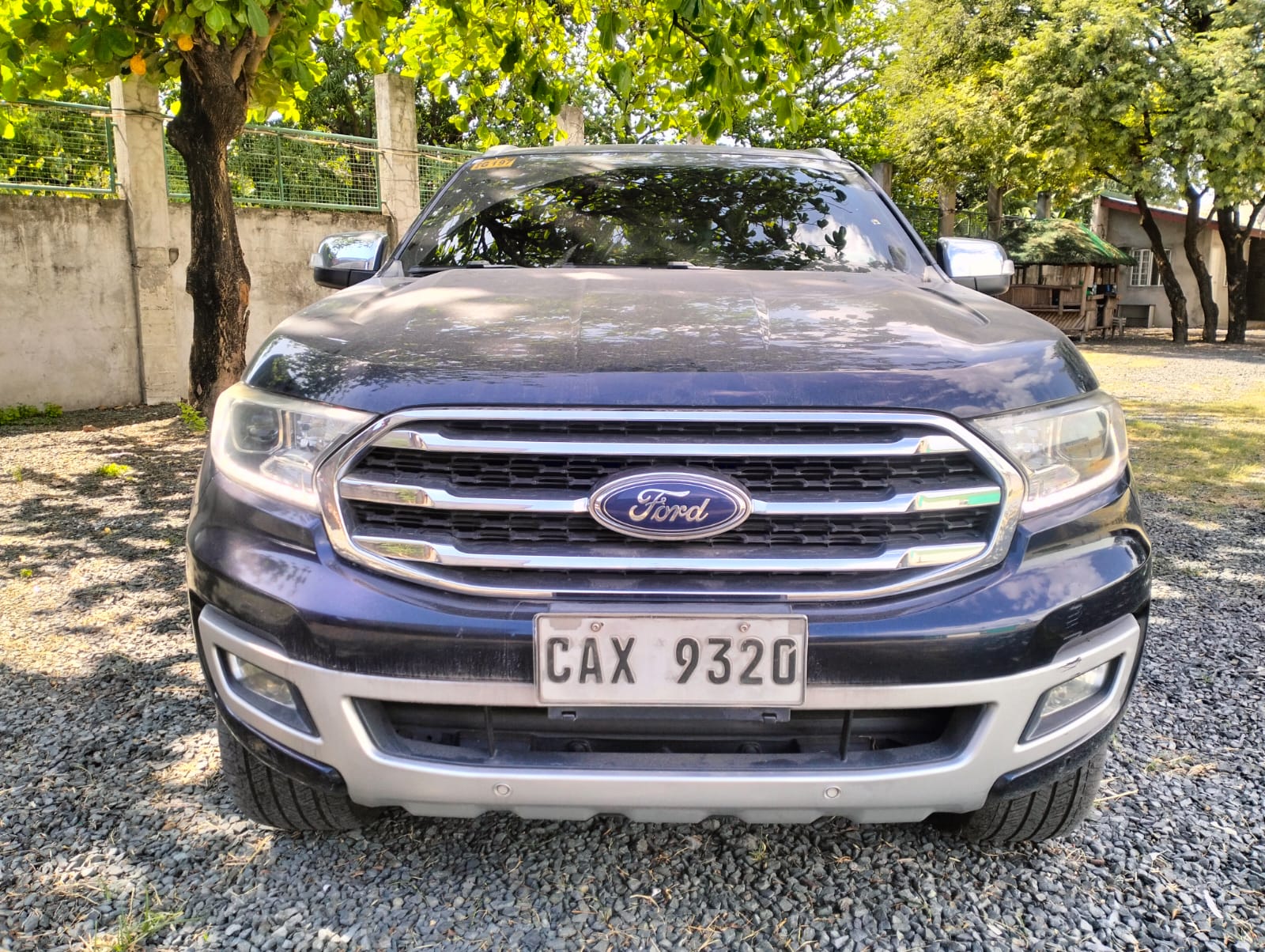
The colour of the smoke coming out of an exhaust is one of the most honest signals a used car will ever give you. It costs nothing to read, it happens in front of your eyes, and no amount of fresh wax or air freshener can hide it. Before you fall for a clean interior, learn what white, blue and black smoke are actually telling you.
This guide decodes each colour, explains what repair it usually points to, and separates the harmless puffs from the deal-breakers, all in a Philippine buying context. Every car we picture here is live stock at our Parañaque lot.
- Reading smoke: your cheapest diagnostic tool
- White smoke: steam vs head gasket trouble
- Blue smoke: oil burning and repair costs
- Black smoke: fuel mixture and diesel realities
- Diesel vs gasoline smoke expectations
- Smoke checks during a cold start inspection
- Repair cost reality check per smoke type
- FAQ
Reading smoke: your cheapest diagnostic tool
You do not need an OBD scanner or a lift to start assessing an engine. You need eyes, a nose, and the discipline to watch the tailpipe at the right moments. Smoke tells you what is being burned that should not be: coolant, oil or excess fuel.
The trick is timing. Watch on the very first cold start of the day, again after a hard rev, and once more on a rolling pull. A puff that vanishes in seconds is one story; a plume that never stops is another. Pair this with our wider used-car engine check routine so you are not judging on smoke alone.
Colour narrows the cause down fast. White leans towards water or coolant. Blue means oil. Black means fuel. The sections below take each one in turn.
White smoke: steam vs head gasket trouble
White is the trickiest colour because it has an innocent version and a costly one. On a cool, damp NCR morning, a thin white vapour on startup is just condensation in the exhaust boiling off. It should thin out and disappear within a minute or two, and it has no strong smell.
The version you fear is thick, persistent white smoke that keeps billowing after the engine is warm. If it carries a faintly sweet smell, that is coolant burning inside the cylinders. The usual culprits are a blown head gasket, a warped or cracked cylinder head, or on diesels a failing injector.
How to tell them apart
- Timing: steam clears fast; coolant smoke persists past warm-up.
- Coolant level: pop the reservoir cap (engine cold) and check for loss over a few days, or ask the seller.
- Oil cap: a milky, mayonnaise-like film under the oil cap suggests coolant and oil are mixing.
Persistent white smoke with any coolant loss is a walk-away signal unless the price already assumes a major engine job.
Blue smoke: oil burning and repair costs
Blue or blue-grey smoke means the engine is burning its own oil. The question is where the oil is sneaking in, because that decides whether it is a modest fix or a full rebuild conversation.
If blue smoke appears mainly on startup and clears once warm, worn valve stem seals are the likely cause. Oil seeps past them while the car sits overnight, then burns off in the first minute. If blue smoke shows up while driving, especially under load or on deceleration, worn piston rings or cylinder bores are more likely, and that is engine-out territory.
Always cross-check the dipstick. A car that needs a litre of oil between short intervals is telling you the same thing the smoke is. Ask the seller how often they top up; a straight answer is worth a lot.
Black smoke: fuel mixture and diesel realities
Black smoke is unburned fuel, meaning the engine is running rich. On petrol cars, common causes are a clogged air filter, dirty injectors, a faulty MAF sensor or a failing oxygen sensor. Most of these are affordable to fix, but they still tell you the car has been neglected.
On diesels, black smoke has a wider "normal" band. A short puff of soot under hard acceleration is common on older diesel SUVs and pickups. What you do not want is continuous black smoke at idle or light throttle, which points to injector, turbo or air-supply problems.
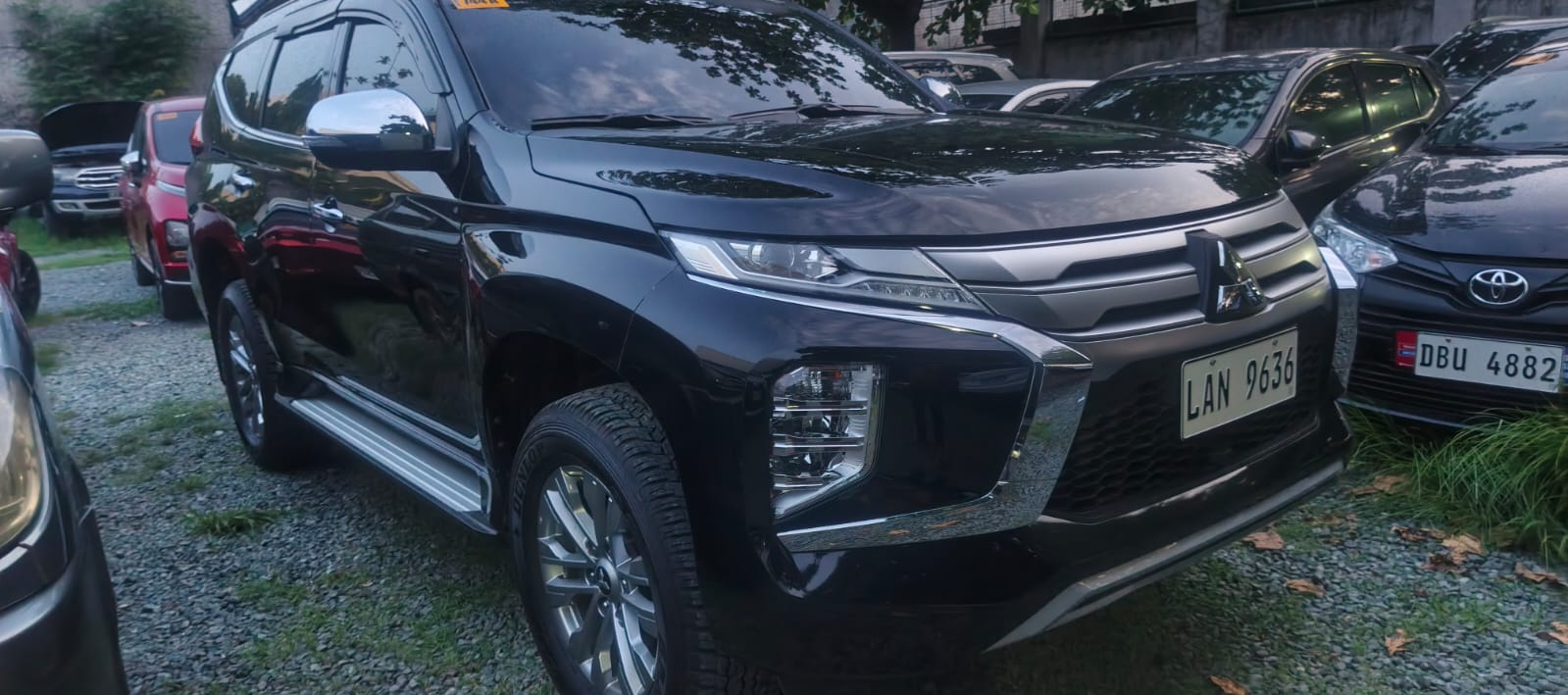
Modern common-rail diesels are built to run clean, so heavy soot on a recent unit deserves a diagnostic scan before you offer. If you are shopping diesels, browse what we have and compare their behaviour, from the compact SUVs up to the Montero Sport listings in stock.
Diesel vs gasoline smoke expectations
Judging a diesel by petrol standards, or the reverse, is where many first-time buyers go wrong. The same colour carries a different weight depending on the engine.
| Smoke colour | Likely cause | Petrol severity | Diesel severity |
|---|---|---|---|
| Thin white, clears fast | Condensation / steam | Normal | Normal |
| Thick white, persists | Coolant in cylinders | Serious | Serious |
| Blue / blue-grey | Burning oil | Serious | Serious |
| Black, brief on accel | Momentary rich mix | Watch | Often normal |
| Black, constant | Injectors / air / turbo | Serious | Needs scan |
Use this as a first filter, not a verdict. A brief black puff on a diesel Everest or Montero Sport is usually nothing; the same on a modern petrol Vios would have us asking questions. Severity always rises when smoke persists after warm-up.
Smoke checks during a cold start inspection
The single most revealing moment is the first start of the day, before the engine has run at all. Sellers know this, which is why some "warm up" the car before you arrive. If the engine is already hot when you get there, that is a reason to book a second, unannounced visit.
When you do catch a genuine cold start, stand where you can see the tailpipe as the key turns. Note the first three to five seconds, then watch it settle. Follow that with a rev test and, ideally, a road test. Our used-car test drive checklist covers what else to feel for once you are moving.
A quick cold-start sequence
- Confirm the engine is stone cold before you start it.
- Watch the first startup plume and time how long it lasts.
- Rev to ~2,500 rpm, release, and watch for a blue or black snap.
- Drive it, then check again at a stop after warm-up.
Smoke is not the only thing a cold start reveals. Damp, musty smells or fogged lights can hint at water damage too; if that worries you, read our guide on spotting a flood-damaged car before you decide.

Repair cost reality check per smoke type
Smoke is only useful if you can translate it into money. The figures below are rough market context for NCR independent shops, not quotes, and real costs swing widely with make, parts availability and labour. Treat them as a negotiating compass.
| Symptom | Likely job | Typical cost band (market context) |
|---|---|---|
| Blue on startup only | Valve stem seals | Moderate |
| Blue while driving | Rings / cylinder work | Major |
| Black, petrol | Filter, injectors, sensors | Low to moderate |
| Black, diesel, constant | Injectors / turbo | Moderate to major |
| Persistent white | Head gasket / head | Major |
A "moderate" job might be worth negotiating into the price. A "major" one on a car already near your budget usually means walking away. This is exactly why our private sealed-offer process works in your favour: you inspect, you decide your number based on real condition, and you offer it privately with no public bidding war.
If the engine checks out and financing is your next question, our financing page lays out the from-1.40% add-on options, subject to credit approval. Selling your current car first? We buy cars too with a market-based offer.
FAQ: engine smoke colours
What does white smoke from the exhaust mean?
Thin white vapour that clears within a minute is just condensation burning off, which is normal on a cold Manila morning. Thick white smoke that keeps coming, smells sweet and drops your coolant level usually means coolant is entering the combustion chamber, pointing to a head gasket, cracked head or, on diesels, a failing injector. That is a serious, expensive problem, not a quirk.
Is black smoke normal for diesel engines?
A short puff of black under hard acceleration is common on older diesel SUVs and pickups and is not alarming by itself. What is not normal is continuous black smoke at idle or light throttle. That points to a dirty air filter, clogged injectors, a faulty MAF sensor or a tired turbo running too rich. Modern common-rail diesels should stay fairly clean, so heavy soot on a newer unit deserves a scan.
What causes blue smoke on startup?
Blue or blue-grey smoke means the engine is burning oil. On startup it often comes from worn valve stem seals letting oil seep past overnight, then clearing once warm. Blue smoke that continues while driving suggests worn piston rings or cylinder bores, which is a bigger repair. Either way, check the dipstick and ask how often the seller tops up oil before you commit.
When is exhaust smoke a dealbreaker on a used car?
Walk away, or price in a full engine job, when you see steady white smoke with coolant loss, heavy blue smoke that never clears, or thick black soot that a basic tune-up cannot fix. A faint puff on a cold start that disappears is usually fine. When smoke persists after warm-up and the seller cannot explain it, treat it as an engine that needs money and negotiate or move on.
Want a second pair of eyes on a cold start? Every unit on our RideAgain lot is sold as-is, where-is, so we welcome a proper inspection before you make an offer. Compare more options anytime on our guides page or search the stock directly, for example all Ford Everest units in stock.